





Yellow Tulip
Fasciolaria bullisi W. G.
The Yellow Tulip is a bright and cheerful flower! It loves to bloom in the spring, bringing happiness to gardens.
Habitat: Gardens and parks
The Yellow Tulip has vibrant, cup-shaped petals of bright sunshine yellow, often with a slightly darker, orange-yellow base inside. It stands proudly on a smooth, green stem, making it a striking splash of color in any setting.
Category
PlantsRarity
Common
Danger
1/5 · Very low
Snaps
Be the first to snap!
Wow! In 17th-century Holland, some rare tulip bulbs were worth more than houses or gold!
Wow! The word "tulip" comes from a Persian word meaning "turban" because of its flower's shape!
Wow! There are over 3,000 different kinds of tulips, making them super diverse!
Wow! Tulips were first grown in Central Asia, not Holland, before becoming famous worldwide!
Yellow Tulips store energy in their underground bulb, which helps them survive winter and bloom brightly each spring.
Yellow Tulips can close their petals at night or on cloudy days, protecting their delicate insides from cold and rain.
Yellow Tulips have brilliant yellow petals that act like a bright beacon, easily attracting helpful pollinating insects.
Apis mellifera
Gathers nectar and pollen from flowers.
Bombus terrestris
Large, fuzzy bee visiting the vibrant petals.
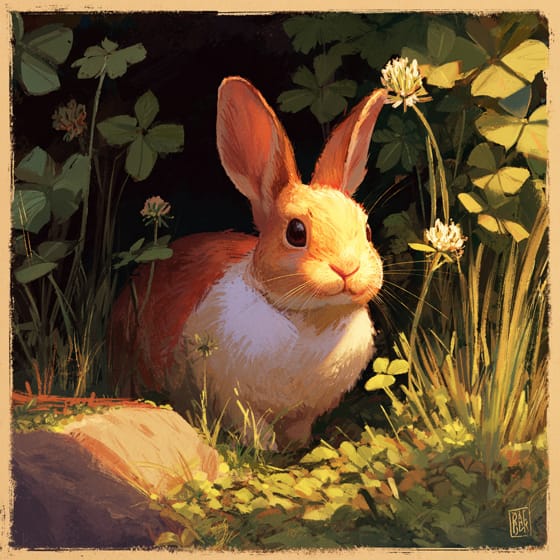
Oryctolagus cuniculus
Young plants and flowers are sometimes nibbled.

Odocoileus virginianus
Deer browse on tulip leaves and flowers.
Flowering plants are any plants that produce flowers as part of their reproductive cycle.
Ornamental plants are cultivated primarily for their aesthetic appeal, enhancing landscapes and gardens with their attractive foliage, flowers, or form.
Spring blooming plants produce their flowers during the spring season, often signifying the end of winter and the start of new growth.
Colorful describes organisms or objects displaying a wide range of bright and distinct colors.

This habitat trait indicates species that can coexist with humans in urban and suburban environments, utilizing man-made structures and green spaces.
No aliases listed yet.
Danger
1/5 · Very low
Explore with care and ask an adult if you’re unsure what to do.
The easiest way to identify Yellow Tulip is to use the Snappit nature identifier app.
25-50 cm
10-15 cm
5-10 cm
Spring
No
Mild
Perennial
Zoom in to split clusters and explore where this object has been snapped.
Recent snaps will appear here as new observations are added.
Take the discovery with you
Snap it with Snappit to identify it, learn what makes it special, and add the discovery to your collection.








.jpg&width=800)



_001.jpg&width=800)




