





Marmot
Marmota
Marmots are furry animals that live in burrows in the mountains. They like to whistle to warn others of danger and enjoy munching on grasses and flowers.
Habitat: Mountain regions
The Marmot is a large, stocky rodent with short, powerful limbs and a bushy tail. Its fur is typically brownish-grey to reddish-brown, often with a darker cap on its head, helping it blend into rocky or grassy environments.
Category
MammalsRarity
Common
Danger
1/5 · Very low
Snaps
Be the first to snap!
A marmot's front teeth grow continuously, so they must gnaw to keep them from getting too long.
Before winter, marmots can almost double their body weight in just a few months!
Marmots can stuff their cheek pouches with food to carry snacks back to their burrows!
Some marmot species make their homes high in the mountains, even above the tree line!
Marmot can dig complex burrow systems because of its strong claws and powerful front legs, which provide safe homes and escape routes.
Marmot has a loud, high-pitched whistle that helps them warn their colony of danger, acting as a quick alarm system for predators.
Marmot can gain a lot of weight in summer because of its efficient fat storage, which helps them survive long winter hibernation.
Marmots are strict plant-eaters, feasting on fresh greens, flowers, and roots!

Aquila chrysaetos
Golden Eagles often hunt young marmots from the sky.
Canis lupus
Grey Wolves are known predators of marmots in their shared habitats.
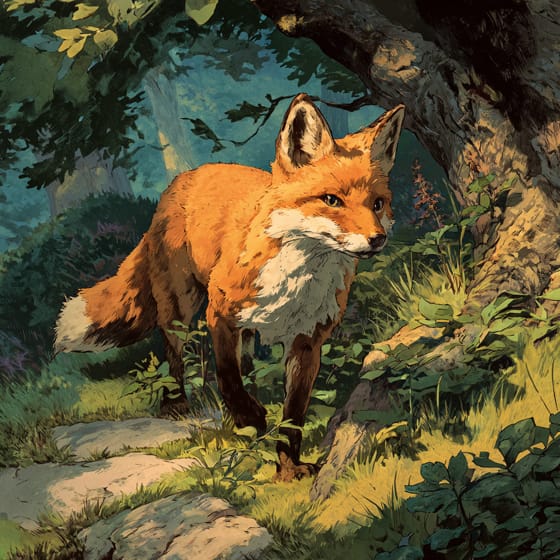
Vulpes vulpes
Red Foxes can hunt marmots, especially those far from their burrows.

Ursus arctos
Brown bears will dig up marmot burrows to access them for food.
Wildlife encompasses all undomesticated animal and plant life existing in their natural habitats.
Furry describes animals possessing a dense covering of soft hair or fur.
Social animals live in organized groups, cooperating for survival benefits such as foraging, defense, and raising offspring.
Burrowing animals dig tunnels and chambers in the ground, using these subterranean structures for shelter, hunting, or breeding.

This trait characterizes organisms whose diet consists entirely or primarily of plant material.

This habitat trait identifies species found in mountainous regions, characterized by high elevation, steep slopes, and varying climate zones.

Hibernating animals enter a state of metabolic depression during cold periods or when food is scarce, characterized by reduced body temperature and activity.

Describes a species whose presence and role have a disproportionately large effect on its environment.
Danger
1/5 · Very low
Enjoy watching marmots from a safe distance and never try to touch or chase them.
The easiest way to identify Marmot is to use the Snappit nature identifier app.
50-95 cm
3-8 kg
10-15 years
35 km/h
Marmots are strict plant-eaters, feasting on fresh greens, flowers, and roots!
Mountain regions
Foraging
Zoom in to split clusters and explore where this object has been snapped.
Recent snaps will appear here as new observations are added.
Take the discovery with you
Snap it with Snappit to identify it, learn what makes it special, and add the discovery to your collection.





.jpg&width=800)



.JPG&width=800)

.jpg&width=800)
