





Ringed Seal
Pusa hispida
Ringed seals are playful animals that live in cold waters. They have special spots that help them blend in with the ice and snow around them.
The Ringed Seal is a small seal with a round head and a chunky body. Its dark grey fur is covered in distinctive light grey or white ring-like patterns. These rings, often edged with darker coloration, make it unique among Arctic seals.
Category
MammalsRarity
Common
Danger
1/5 · Very low
Snaps
Be the first to snap!
A ringed seal can recognize its own breathing hole among many others!
Baby ringed seals are born with fluffy white fur for camouflage.
Their special blood stores extra oxygen for amazing underwater dives.
They are the smallest true seals found in the Arctic waters.
Ringed Seals can use strong claws and teeth to maintain breathing holes in thick Arctic ice, helping them survive harsh winters.
Ringed Seals have a thick layer of blubber that keeps them super warm in icy polar waters and stores energy.
Ringed Seals create cozy snow dens on ice to protect their pups from predators and harsh Arctic weather.
Ringed seals are fish-eaters that also enjoy small crustaceans in their cold Arctic home.

Ursus maritimus
A primary predator, especially of pups.
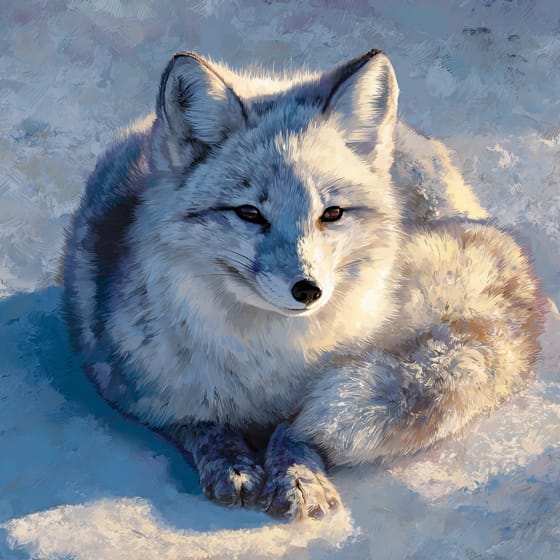
Vulpes lagopus
Preys on pups in snow lairs.

Orcinus orca
Hunts seals in open water.
Boreogadus saida
A main food source for the seal.
Wildlife encompasses all undomesticated animal and plant life existing in their natural habitats.
Furry describes animals possessing a dense covering of soft hair or fur.
Possessing prominent sensory hairs or vibrissae, often around the snout.
Social animals live in organized groups, cooperating for survival benefits such as foraging, defense, and raising offspring.

Piscivorous organisms are animals that primarily subsist on a diet of fish.

Coastal habitats are dynamic environments located along the interface between land and sea, influenced by tides, waves, and saltwater.

Aquatic habitats encompass environments where organisms live predominantly in water, including oceans, rivers, lakes, and wetlands.
Danger
1/5 · Very low
Always admire seals from a distance. They are wild animals and need their space.
The easiest way to identify Ringed Seal is to use the Snappit nature identifier app.
110-160 cm
50-70 kg
20-30 years
19 km/h
Ringed seals are fish-eaters that also enjoy small crustaceans in their cold Arctic home.
Pursuit
1
Zoom in to split clusters and explore where this object has been snapped.
Recent snaps will appear here as new observations are added.
Take the discovery with you
Snap it with Snappit to identify it, learn what makes it special, and add the discovery to your collection.





.jpg&width=800)



.JPG&width=800)



.jpg&width=800)
