





Pink Rose
Pachliopta kotzebuea
The Pink Rose is a sweet flower that comes in lovely shades of pink. It smells wonderful and is loved by many.
Habitat: Gardens and parks
The Pink Rose has soft-hued petals, ranging from delicate blush to vibrant fuchsia, often arranged in classic spiraled layers around a central yellow eye. Its sturdy green stem is typically armed with sharp thorns, protecting its fragrant, cup-shaped blooms.
Category
PlantsRarity
Common
Danger
1/5 · Very low
Snaps
Be the first to snap!
Did you know ancient Romans used rose petals as confetti and perfume?
Many types of rose oil, used in perfumes, can cost more than gold!
Rose hips, the fruit of the rose, have more Vitamin C than oranges!
Some roses are so old their fossils date back over 35 million years!
Pink Rose has sharp thorns that protect its tender stems and fragrant flowers from hungry animals and pests.
Pink Rose can release sweet, alluring fragrances to attract specific insect pollinators, helping ensure its reproduction.
Pink Rose can produce nutrient-rich rose hips, packed with Vitamin C, providing food for birds and other wildlife.
Apis mellifera
Gathers nectar and pollen from flowers.
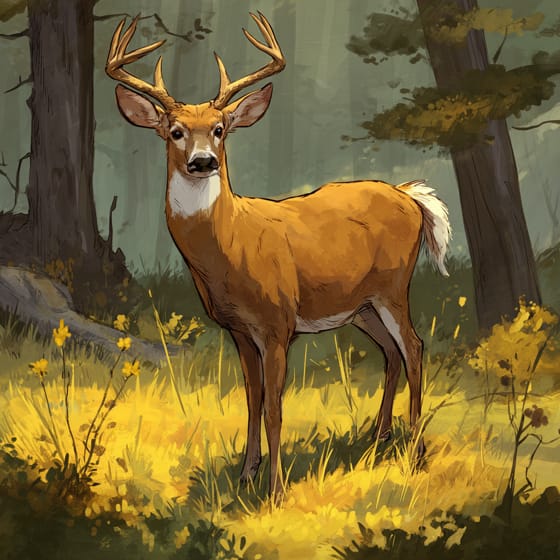
Odocoileus virginianus
Browses on rose leaves and young shoots.
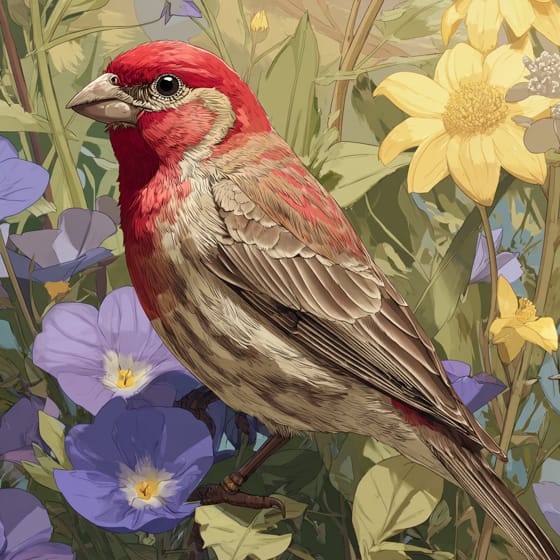
Carpodacus mexicanus
Consumes nutrient-rich rose hips in winter.
Rhagoletis basiola
Larvae develop inside rose hips, damaging seeds.
Ornamental plants are cultivated primarily for their aesthetic appeal, enhancing landscapes and gardens with their attractive foliage, flowers, or form.
A shrub is a woody plant smaller than a tree, typically with multiple stems branching from or near the ground.
Summer blooming plants produce their flowers during the summer season, often providing vibrant color when many other plants have finished.
Fragrant flowers emit a pleasant aroma, often to attract pollinators or for defense.

Pertaining to plants that have stems covered with sharp, pointed projections for defense.

This habitat trait indicates species that can coexist with humans in urban and suburban environments, utilizing man-made structures and green spaces.
Danger
1/5 · Very low
Explore with care and ask an adult if you’re unsure what to do.
The easiest way to identify Pink Rose is to use the Snappit nature identifier app.
50-200 cm
50-150 cm
5-15 cm
Late spring to fall
Yes
None
Perennial
Zoom in to split clusters and explore where this object has been snapped.
Recent snaps will appear here as new observations are added.
Take the discovery with you
Snap it with Snappit to identify it, learn what makes it special, and add the discovery to your collection.









.jpg&width=800)


_001.jpg&width=800)




