

Purple Brittlegill
Russula
Purple Brittlegill is a colorful fungus that can be purple or violet! It often grows in shady places under trees.
Habitat: Shady areas
The Purple Brittlegill has a vibrant cap, often appearing purple, lilac, olive green, or even bluish-grey, which can be patchy or zoned. It has pure white, brittle gills that do not fork, and a sturdy, white, cylindrical stem that is also quite fragile.
Category
FungiRarity
Common
Danger
1/5 · Very low
Snaps
Be the first to snap!
It has special underground threads that connect it directly to the roots of trees!
Its scientific name means 'blue and yellow', even though its cap is often purple!
Many colorful mushrooms are poisonous, but this striking purple one is actually edible!
This mushroom's name 'Brittlegill' comes from its fragile, chalk-like stem and gills!
Purple Brittlegill can share vital water and minerals with tree roots, helping both the fungus and the tree thrive.
Its delicate, brittle gills break cleanly, helping it efficiently release its spores to grow new mushrooms nearby.
Purple Brittlegill has a cap that can vary widely in color, helping it blend in with different forest floor environments.
Quercus robur
Forms a mutually beneficial root partnership.
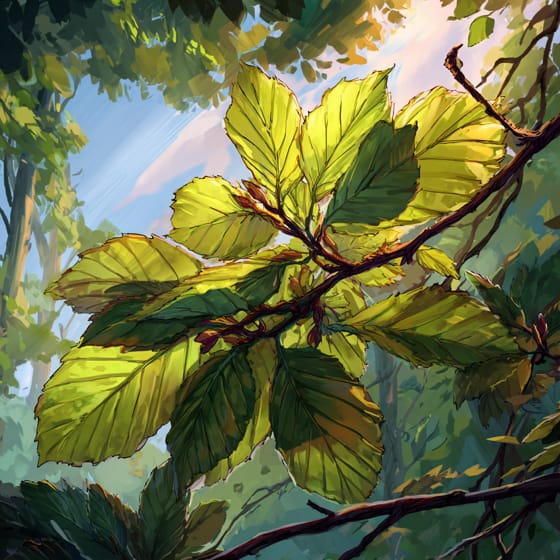
Fagus sylvatica
Exchanges nutrients and water with its roots.

Arion ater
Slugs and snails often graze on its caps and gills.
Shade tolerant plants are adapted to grow and thrive in areas with low light levels, requiring less direct sunlight.
Fragrant flowers emit a pleasant aroma, often to attract pollinators or for defense.
Spore-producing organisms reproduce by releasing small, often single-celled, reproductive units called spores.
Forest habitats are terrestrial environments dominated by dense tree cover, supporting a high diversity of plant and animal life.
No aliases listed yet.
Danger
1/5 · Very low
Do not pick or eat anything you find. Some plants and mushrooms can be harmful.
The easiest way to identify Purple Brittlegill is to use the Snappit nature identifier app.
5-10 cm
edible
5-15 cm
Shady areas
soil
Late summer to autumn
White
Zoom in to split clusters and explore where this object has been snapped.
Recent snaps will appear here as new observations are added.

Pennsylvania, US
You might spot Orange Hawkweed and Hickory Tussock Moth.
View guide →

Alabama, US
You might spot Horned Passalus Beetle and American Sweetgum.
View guide →
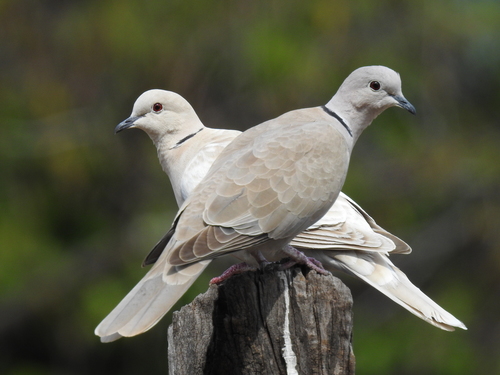
Tennessee, US
You might spot Eurasian Collared-Dove and Ringless Honey Mushroom.
View guide →
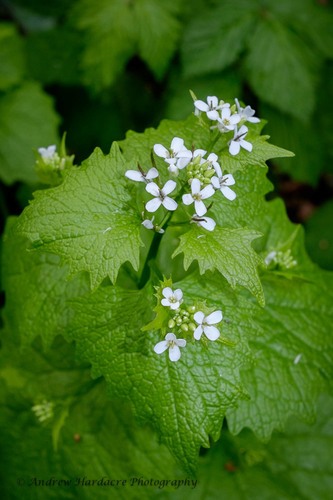
Virginia, US
You might spot Garlic Mustard, Violets, and Wineberry.
View guide →
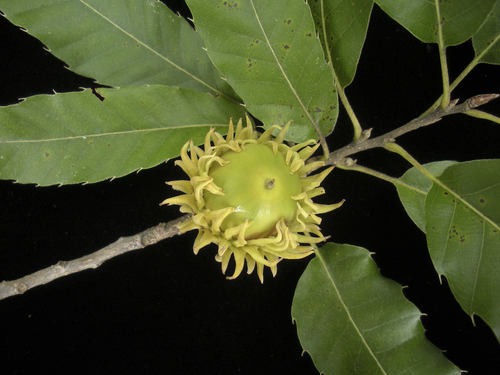
Virginia, US
You might spot Sawtooth Oak, Wineberry, and Blue Mistflower.
View guide →
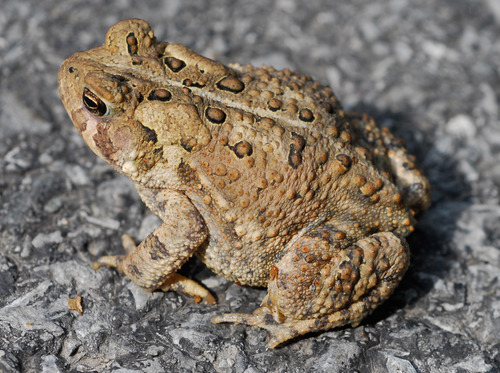
Virginia, US
You might spot American Toad, Eastern Box Turtle, and American Robin.
View guide →
Take the discovery with you
Snap it with Snappit to identify it, learn what makes it special, and add the discovery to your collection.