





Saiga
Saiga
The Saiga is a unique-looking antelope with a large nose that helps filter dust in the dry steppes of Central Asia. They travel in large herds and are known for their incredible migrations.
Habitat: Steppe
The Saiga has a distinctive, oversized, flexible nose that looks like a small trunk. Its coat is sandy yellow in summer, changing to a thick, pale white in winter. Males also grow spiraled, ringed horns.
Category
MammalsRarity
Rare
Danger
1/5 · Very low
Snaps
Be the first to snap!
In winter, Saigas' big nose warms freezing air before it reaches their lungs!
Male Saigas grow striking, amber horns that can reach 40 cm long!
Many call them 'steppe unicorns' because of their unique horns and amazing snout!
Saiga herds can be enormous, sometimes tens of thousands strong during migrations!
Saiga has an amazing nose that filters out dust, warms cold air, and cools hot air, helping them breathe in extreme conditions.
Saiga can travel vast distances in huge herds, helping them find fresh pastures and water across their expansive habitat.
Saiga calves can run soon after birth, which helps them keep up with their migrating mothers and escape predators quickly.
Saigas eat many different plants, including tough grasses and shrubs found in dry steppes.
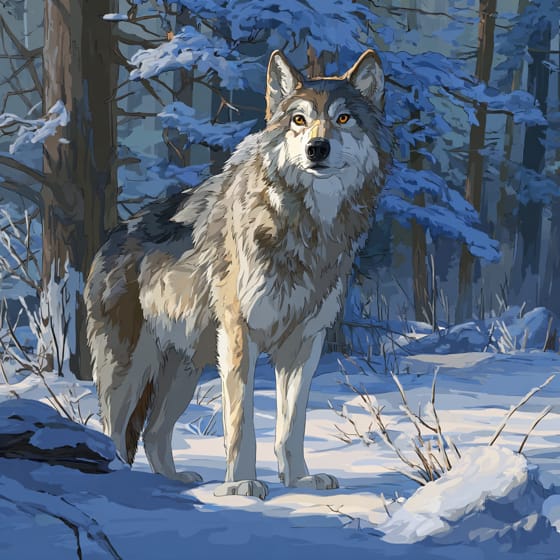
Canis lupus
Wolves are the primary natural predator of adult Saiga.

Aquila nipalensis
Large eagles sometimes prey on Saiga calves and young animals.
Artemisia maritima
Saigas consume various Artemisia species common in their habitat.
Social animals live in organized groups, cooperating for survival benefits such as foraging, defense, and raising offspring.
Characterized by having one or more hard, permanent, pointed projections on the head.
This trait characterizes organisms whose diet consists entirely or primarily of plant material.
This habitat trait describes species found in steppes, which are dry, treeless grasslands characterized by extreme seasonal temperature variations and low precipitation.

This trait signifies organisms belonging to a very old evolutionary group with ancestors dating back millions of years.

This trait identifies organisms that exhibit exceptional swiftness in movement for hunting, escape, or travel.

Migratory animals undertake seasonal movements from one region to another, typically in response to changes in climate or food availability.

Protected status signifies a species or area is safeguarded by legal measures and conservation efforts to prevent harm or loss.
Danger
1/5 · Very low
Observe Saigas from a safe distance to avoid disturbing them in their natural habitat.
The easiest way to identify Saiga is to use the Snappit nature identifier app.
100-140 cm
26-69 kg
6-10 years
80 km/h
Saigas eat many different plants, including tough grasses and shrubs found in dry steppes.
Steppe
Grazing
Zoom in to split clusters and explore where this object has been snapped.
Recent snaps will appear here as new observations are added.
Take the discovery with you
Snap it with Snappit to identify it, learn what makes it special, and add the discovery to your collection.




.jpg&width=800)





.JPG&width=800)


.jpg&width=800)
