





Pony
Equus ferus caballus
Ponies are small horses with sturdy bodies and thick manes. They are friendly and often used for riding lessons for children.
Habitat: Farms, fields, and riding schools.
The Pony is a small, sturdy equine, typically defined by its height, often under 14.2 hands. It has a stockier build, shorter legs, and a thicker neck compared to a horse, often sporting a shaggy mane and tail. Ponies come in a wide range of coat colors and patterns, including solid, spotted, and striped variations.
Category
MammalsRarity
Common
Danger
4/5 · High
Snaps
Be the first to snap!
Ponies are not baby horses; they are a distinct type defined by their small adult size!
Ponies can sleep standing up, but they must lie down to enter their deepest sleep.
Some ancient pony breeds have lived wild for thousands of years in harsh environments.
The smallest pony breeds can be shorter than many large dog breeds!
Pony has exceptionally tough hooves that help them traverse rocky or uneven terrain because they evolved in rugged environments.
Pony can grow an extra-thick, shaggy coat that helps them stay warm and dry even in harsh winter weather.
Pony can thrive on sparse vegetation because their efficient digestive system extracts maximum nutrients from tougher plants.
Pony has a very strong back and sturdy build for its size that allows them to carry heavy loads or riders.
Ponies are herbivores, primarily grazing on various plant materials found in their environment.

Homo sapiens
Ponies are cared for and bred by humans.
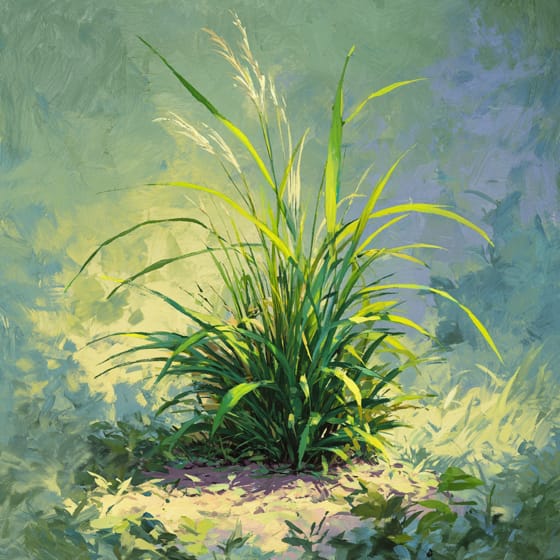
Poa pratensis
A common grass species consumed by ponies.

Trifolium repens
A nutritious legume often grazed by ponies.
Strongylus vulgaris
A common internal parasite found in pony intestines.
Wildlife encompasses all undomesticated animal and plant life existing in their natural habitats.
Furry describes animals possessing a dense covering of soft hair or fur.
This trait characterizes organisms whose diet consists entirely or primarily of plant material.
Domesticated refers to species that have been selectively bred and tamed by humans for specific purposes.
Danger
4/5 · High
Always approach a pony calmly and from the front so it can see you.
The easiest way to identify Pony is to use the Snappit nature identifier app.
100-160 cm
150-450 kg
25-40 years
40 km/h
Ponies are herbivores, primarily grazing on various plant materials found in their environment.
Farms, fields, and riding schools.
Grazing
Zoom in to split clusters and explore where this object has been snapped.
Recent snaps will appear here as new observations are added.
Take the discovery with you
Snap it with Snappit to identify it, learn what makes it special, and add the discovery to your collection.





.jpg&width=800)



.JPG&width=800)


.jpg&width=800)
