





Bengal Cat
Felis catus
A Bengal Cat has a beautiful spotted coat like a wild leopard. It is very active and loves to climb and play.
Habitat: Homes with space to climb and explore; cat trees and shelves
The Bengal Cat is a medium-sized feline with a distinctive wild appearance, featuring striking leopard-like spots or marbled patterns on a short, dense coat. Their fur often has a unique 'glitter' quality, and they possess a muscular build and large, expressive eyes.
Category
MammalsRarity
Common
Danger
2/5 · Low
Snaps
Be the first to snap!
Bengal cats have a wild ancestor, the Asian Leopard Cat, which gives them their unique look!
Some Bengals have a 'glitter gene' that makes their fur sparkle in the light!
They are incredibly smart and can even be taught to walk on a leash or play fetch!
Unlike many cats, Bengals often love playing in water, even taking dips in sinks!
Bengal Cat can play in water because of its wild ancestry, which helps it explore and stay cool.
Bengal Cat can jump and climb high thanks to its powerful legs, helping it reach elevated perches.
Bengal Cat has a wide range of vocalizations including chirps, which helps it communicate with its humans.
Bengal Cat has a shimmering 'glitter' effect on its fur because of unique hair structure, enhancing its wild look.
Bengal Cats are carnivores, mainly eating specially formulated cat food and occasional meat treats.
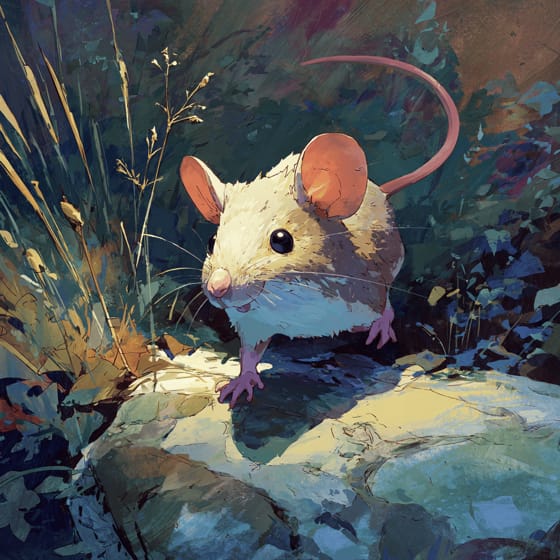
Mus musculus
If allowed outdoors, they may hunt small rodents.
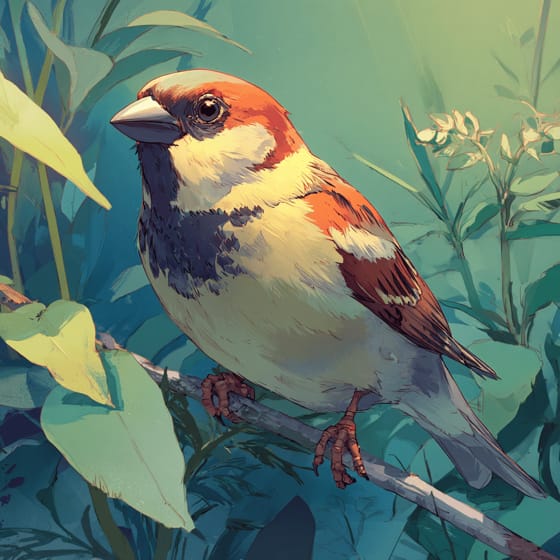
Passer domesticus
Their strong hunting instinct extends to small birds.

Homo sapiens
Relies on humans for food, shelter, and companionship as a pet.
Ctenocephalides felis
Can host parasites like fleas on their fur.
Wildlife encompasses all undomesticated animal and plant life existing in their natural habitats.
Furry describes animals possessing a dense covering of soft hair or fur.
Possessing prominent sensory hairs or vibrissae, often around the snout.
Domesticated refers to species that have been selectively bred and tamed by humans for specific purposes.

This trait identifies organisms whose diet consists entirely or primarily of animal tissue.

This habitat trait indicates species that can coexist with humans in urban and suburban environments, utilizing man-made structures and green spaces.
Danger
2/5 · Low
Give them safe toys and climbing areas; avoid teasing games.
The easiest way to identify Bengal Cat is to use the Snappit nature identifier app.
30-45 cm
3.5-7 kg
10-16 years
40 km/h
Bengal Cats are carnivores, mainly eating specially formulated cat food and occasional meat treats.
Homes with space to climb and explore; cat trees and shelves
Pursuit
Zoom in to split clusters and explore where this object has been snapped.
Recent snaps will appear here as new observations are added.
Take the discovery with you
Snap it with Snappit to identify it, learn what makes it special, and add the discovery to your collection.




.jpg&width=800)



.JPG&width=800)



.jpg&width=800)
