





Saucer Magnolia
Magnolia soulangiana
The Saucer Magnolia has large, saucer-shaped flowers that are stunning to look at. It’s a favorite for springtime gardens!
Habitat: Gardens and parks
The Saucer Magnolia has stunning, goblet-shaped flowers, usually appearing before its leaves in early spring. These large blooms showcase beautiful shades of white, pink, and purple, often with darker bases. Its smooth, grey bark adds to its refined appearance.
Category
TreesRarity
Common
Danger
1/5 · Very low
Snaps
Be the first to snap!
Each flower can have up to 12 petals, creating a giant, showy cup!
It's a 'designer' tree, created by crossing two different magnolia species!
Its fuzzy, oversized flower buds look like velvet cocoons before they burst open.
Magnolias are ancient plants, with some species existing when dinosaurs roamed the Earth!
Saucer Magnolia can bloom before its leaves appear, helping it attract early spring pollinators like beetles and bees before other plants compete.
Saucer Magnolia has thick, waxy petals that offer its delicate-looking flowers some protection against late spring frosts, allowing more successful blooming.
Saucer Magnolia can release a sweet, lemon-like fragrance from its flowers, acting as a powerful scent signal to guide hungry pollinators to its nectar.
Apis mellifera
collects nectar and pollen from its abundant flowers.

Callosamia promethea
caterpillars feed on its leaves during their larval stage.
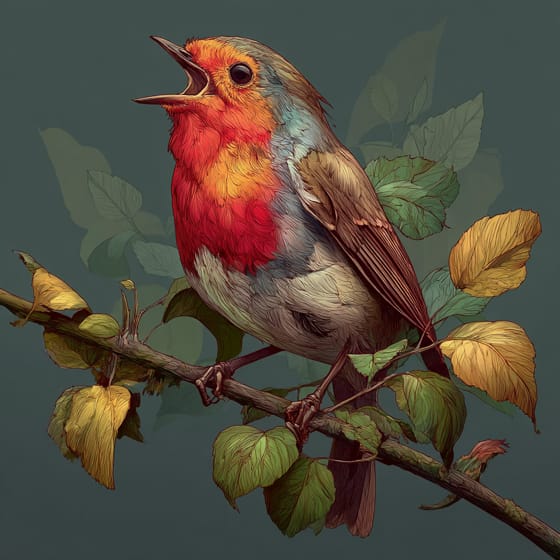
Turdus migratorius
builds nests in its branches and sometimes eats seeds.
Deciduous plants periodically shed all their leaves, typically during autumn or dry seasons.
Spring blooming plants produce their flowers during the spring season, often signifying the end of winter and the start of new growth.
Fragrant flowers emit a pleasant aroma, often to attract pollinators or for defense.
This habitat trait indicates species that can coexist with humans in urban and suburban environments, utilizing man-made structures and green spaces.
Danger
1/5 · Very low
Do not pick or eat anything you find. Some plants and mushrooms can be harmful.
The easiest way to identify Saucer Magnolia is to use the Snappit nature identifier app.
4.5-7.5 m
4.5-7.5 m
No
15-30 cm
50-70 years
Gardens and parks
Aggregate of follicles
Zoom in to split clusters and explore where this object has been snapped.
Recent snaps will appear here as new observations are added.
Take the discovery with you
Snap it with Snappit to identify it, learn what makes it special, and add the discovery to your collection.











