Sea Star
Asterias rubens
Sea stars, also known as starfish, are fascinating creatures found in oceans around the world. They have multiple arms and come in various colors like orange, red, and blue.
Habitat: Coastal areas
The Sea Star has a distinctive five-arm radial shape, often vibrant red, orange, blue, or purple. Its body surface can be spiky or bumpy, differentiating it from smooth marine creatures. Many have intricate patterns.
Category
InvertebrateRarity
Common
Danger
1/5 · Very low
Snaps
Be the first to snap!
Many sea stars have over 40 arms, making them look like a spiky pom-pom!
Sea stars use seawater, not blood, flowing through a special water vascular system!
Their skin has tiny pincers (pedicellariae) that keep them clean and protected!
Upside down? Sea stars use tube feet to slowly flip themselves right side up!
Sea Star can regrow lost arms because of specialized cells that help them recover from injury or predator attacks.
Sea Star can push its stomach out to digest food externally, helping them eat larger, shell-bound prey.
Sea Star has hundreds of tiny tube feet that help them powerfully grip surfaces and slowly move along the seafloor.
Sea Star has simple eye spots at the tip of each arm that help them detect light and dark, aiding navigation.
Sea stars are often hunters of shellfish, using their unique stomach to eat their meals.
Enhydra lutris
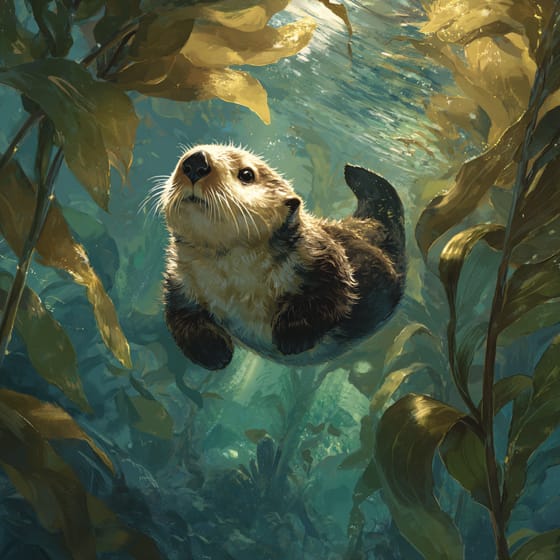
A key predator in kelp forests, often consuming sea stars.

Mytilus edulis
A primary food source, pried open and digested externally.

Crassostrea virginica
Feeds on this bivalve, sometimes impacting oyster beds.
Cancer productus
Larger crabs may prey on smaller or injured sea stars.
Filter feeders obtain nutrients by straining suspended food particles and small organisms from water.
This trait signifies organisms belonging to a very old evolutionary group with ancestors dating back millions of years.
Coastal habitats are dynamic environments located along the interface between land and sea, influenced by tides, waves, and saltwater.
This trait identifies organisms whose diet consists entirely or primarily of animal tissue.

Describes a species whose presence and role have a disproportionately large effect on its environment.
Regenerative organisms possess the ability to regrow lost or damaged body parts, tissues, or organs.

Marine habitats encompass all saltwater environments of the Earth's oceans, supporting an immense diversity of aquatic life.

Nocturnal animals are primarily active during the nighttime hours, typically resting or sleeping during the day.
No aliases listed yet.
Danger
1/5 · Very low
If you find a sea star, observe it from a safe distance and avoid touching or removing it from its natural habitat.
The easiest way to identify Sea Star is to use the Snappit nature identifier app.
10-30 cm
0.1-0.5 kg
5-10 years
0.001-0.005 km/h
Sea stars are often hunters of shellfish, using their unique stomach to eat their meals.
Coastal areas
Foraging
Zoom in to split clusters and explore where this object has been snapped.
Recent snaps will appear here as new observations are added.

US
You might spot Nurse Shark, Sea Turtle, and Cownose Ray.
View guide →
Oregon, US
You might spot Sea Otter, Harbor Seal, and Sea Lion.
View guide →

Washington, US
You might spot Sea Otter, Harbor Seal, and Northern Fur Seal.
View guide →
US
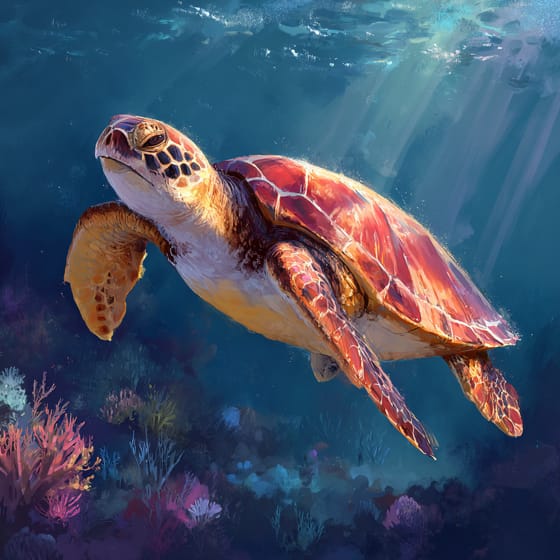
You might spot Loggerhead Sea Turtle and Bald Eagle.
View guide →

Alaska, US
You might spot Steller Sea Lion, Harbor Seal, and Tufted Puffin.
View guide →

California, US
You might spot Penguin, Leopard Shark, and Weedy Seadragon.
View guide →
Take the discovery with you
Snap it with Snappit to identify it, learn what makes it special, and add the discovery to your collection.