





Sedge
Carex L.
Sedge is a grass-like plant that grows in wet areas. It has triangular stems and is often found near water.
Habitat: Wetlands and marshes
The Sedge has grass-like leaves and often triangular stems, a key difference from true grasses. Its slender green blades typically form dense clumps, sometimes showing reddish-brown bases, making it visually distinct in wetlands.
Category
PlantsRarity
Common
Danger
1/5 · Very low
Snaps
Be the first to snap!
Many small mammals, like voles and muskrats, munch on sedge leaves and roots for food!
Sedges grow all over the world, even high in the Arctic tundra where few other plants survive!
Some sedge leaves are so tough, they were once used to weave mats and baskets!
You can tell sedge from grass by feeling its triangular stem, 'sedges have edges'!
Sedge roots can absorb pollutants from the soil and water, helping to naturally clean wetlands and improve water quality.
Sedge has strong, fibrous roots that weave together, preventing soil erosion along stream banks and slopes.
Sedge can thrive in many harsh environments, from soggy marshes to dry woodlands, adapting its growth to survive.
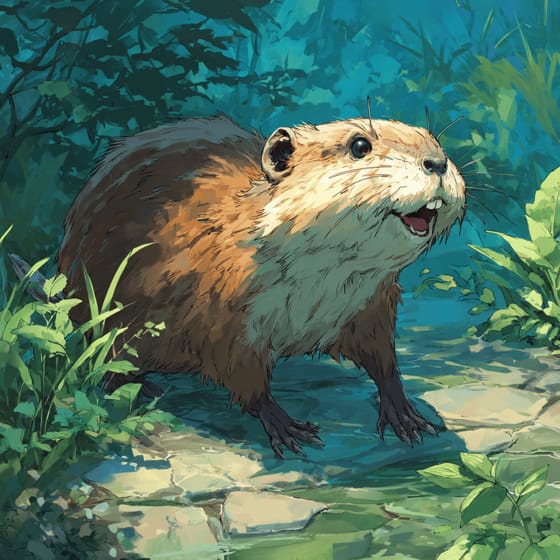
Ondatra zibethicus
roots and shoots provide vital food
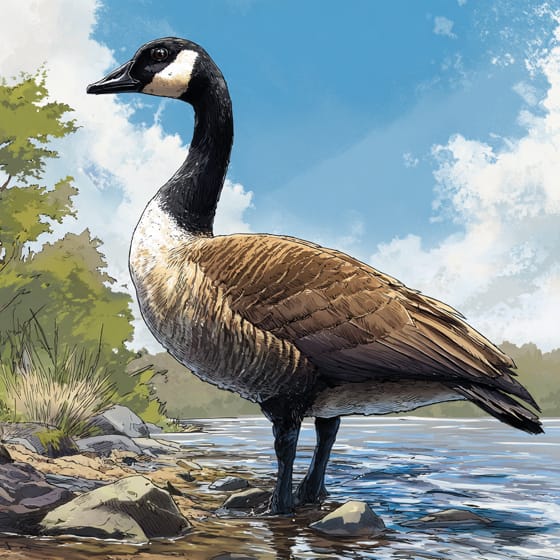
Branta canadensis
graze on leaves and seeds in wetland areas
Microtus pennsylvanicus
finds cover and nesting sites in dense clumps
Cluster flowers are inflorescences where individual flowers are arranged closely together on a common stem.
Grass-like plants are herbaceous plants that visually resemble true grasses, typically having long, narrow leaves.
Shade tolerant plants are adapted to grow and thrive in areas with low light levels, requiring less direct sunlight.
This habitat trait identifies species found in wetlands, which are areas of land saturated with water, either permanently or seasonally, including marshes, swamps, and bogs.
Danger
1/5 · Very low
Explore with care and ask an adult if you’re unsure what to do.
The easiest way to identify Sedge is to use the Snappit nature identifier app.
20-100 cm
20-60 cm
0.1-0.5 cm
Spring_early_summer
No
None
Perennial
Zoom in to split clusters and explore where this object has been snapped.
Recent snaps will appear here as new observations are added.
Take the discovery with you
Snap it with Snappit to identify it, learn what makes it special, and add the discovery to your collection.








.jpg&width=800)



_001.jpg&width=800)



