





Canada Goose
Branta canadensis
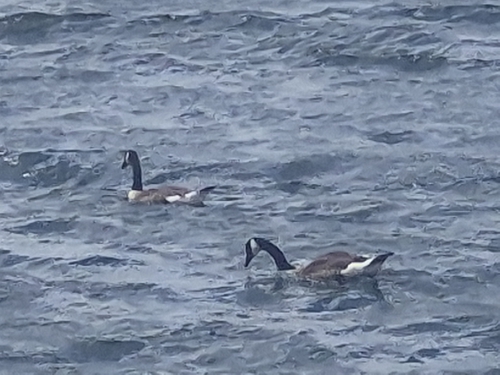
The Canada Goose is a large bird with a black head and white cheeks! It loves to honk and can often be seen flying in a V-formation.
Habitat: Lakes, rivers, and parks
The Canada Goose has a distinctive black neck and head with a prominent white 'chinstrap' mark. Its body is shades of brown, with a lighter chest and belly, making it easily identifiable from other waterfowl.
Category
BirdsRarity
Common
Danger
2/5 · Low
Snaps
1,297
Baby geese, called goslings, can swim and find food just one day after hatching!
Canada Geese mate for life, often staying with the same partner for many years!
Some Canada Geese can fly over 1,000 miles in a single day during migration!
They can sleep while standing on one leg, even when floating on water!
Canada Geese can fly in a V-formation because it saves energy for the birds following, making long migrations easier.
Canada Geese have strong wings and a loud honk that helps them defend their goslings fiercely from predators.
Canada Geese have webbed feet that help them paddle efficiently through water and wade in shallow areas for food.
These geese are mostly plant-eaters, munching on grasses and grains they find in fields and water.
Age differences: Young goslings may eat small insects for extra protein during growth, then switch mostly to plants.
Wildlife encompasses all undomesticated animal and plant life existing in their natural habitats.
Feathered describes animals, primarily birds, possessing a covering of feathers.
Characterized by having toes connected by a membrane, typically aiding in swimming.
Social animals live in organized groups, cooperating for survival benefits such as foraging, defense, and raising offspring.

This trait characterizes organisms whose diet consists entirely or primarily of plant material.

This habitat trait identifies species found in wetlands, which are areas of land saturated with water, either permanently or seasonally, including marshes, swamps, and bogs.

Freshwater habitats include non-saline aquatic environments such as rivers, lakes, ponds, and wetlands, vital for numerous species.

Migratory animals undertake seasonal movements from one region to another, typically in response to changes in climate or food availability.
Danger
2/5 · Low
Watch quietly from a distance and never try to feed or chase wild animals.
The easiest way to identify Canada Goose is to use the Snappit nature identifier app.
75-110 cm
127-183 cm
2.6-6.5 kg
10-24 years
70 km/h
These geese are mostly plant-eaters, munching on grasses and grains they find in fields and water.
Lakes, rivers, and parks
Zoom in to split clusters and explore where this object has been snapped.
Jun 20, 2026
Arnold ArboretumPhoto attribution
(c) feralbeetle, some rights reserved (CC BY)
License: CC BY 4.0 ↗
Image may be shown cropped inside the card frame.
Jun 19, 2026
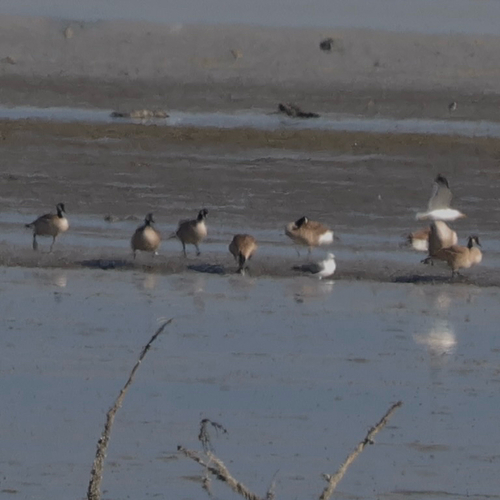
Palo Alto Baylands Nature PreservePhoto attribution
no rights reserved
License: CC0 1.0 ↗
Image may be shown cropped inside the card frame.
Jun 19, 2026
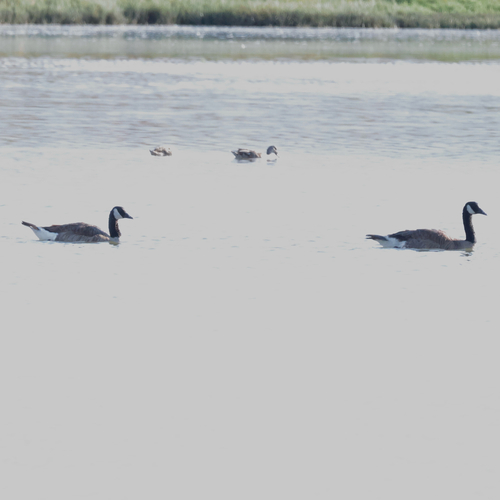
Palo Alto Baylands Nature PreservePhoto attribution
no rights reserved
License: CC0 1.0 ↗
Image may be shown cropped inside the card frame.
Jun 7, 2026
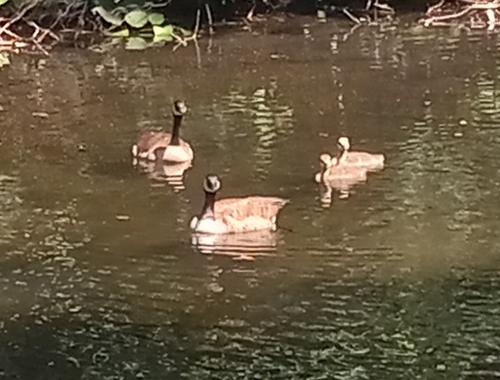
Lehigh Valley ZooPhoto attribution
(c) Aleks, some rights reserved (CC BY)
License: CC BY 4.0 ↗
Image may be shown cropped inside the card frame.
Jun 6, 2026
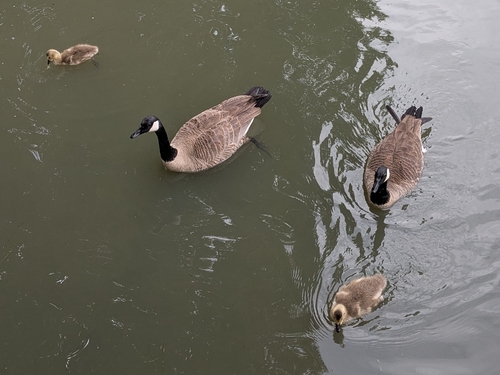
Bellevue Botanical GardenPhoto attribution
(c) York Niu, some rights reserved (CC BY)
License: CC BY 4.0 ↗
Image may be shown cropped inside the card frame.

New Jersey, US
You might spot Garlic Mustard, Sensitive Fern, and Common Mugwort.
View guide →

Alabama, US
You might spot Elf Orpine, Canada Goose, and Leatherleaf Mahonia.
View guide →

Ohio, US
You might spot Eastern Fox Squirrel and Spotted Lanternfly.
View guide →

Tennessee, US
You might spot House Sparrow, Northern Mockingbird, and Gulf Fritillary.
View guide →
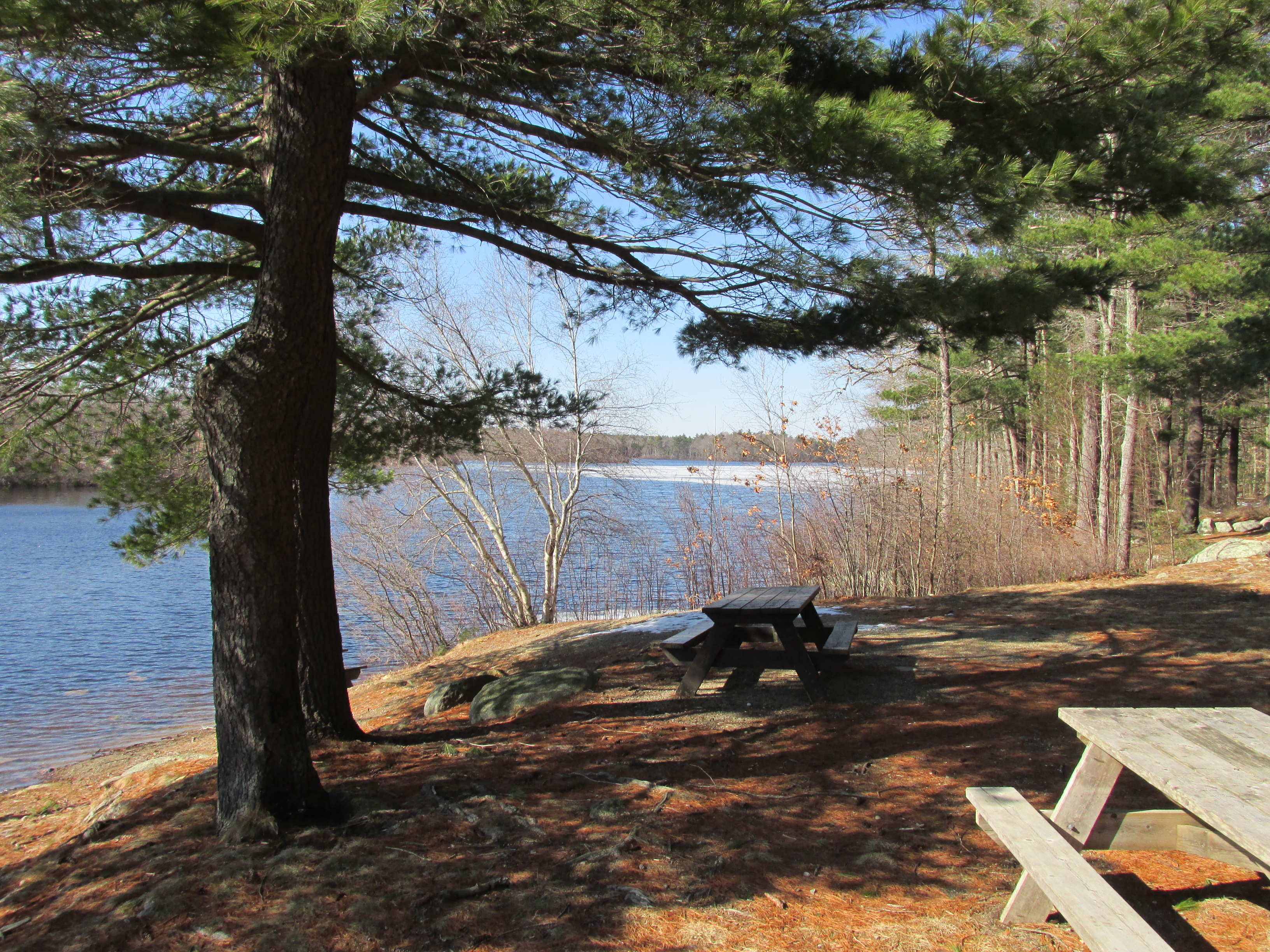
Massachusetts, US
You might spot Eastern White Pine and Common Eastern Bumble Bee.
View guide →

Massachusetts, US
You might spot Eastern Cottontail and American Robin.
View guide →
Take the discovery with you
Snap it with Snappit to identify it, learn what makes it special, and add the discovery to your collection.





.jpg&width=800)








