





Muskrat
Ondatra zibethicus
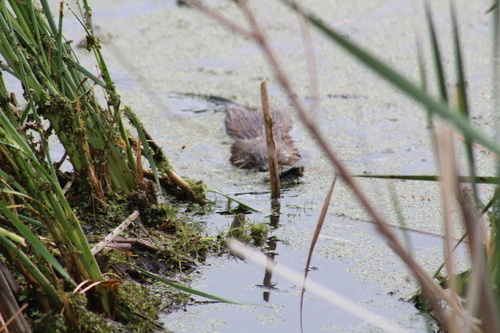
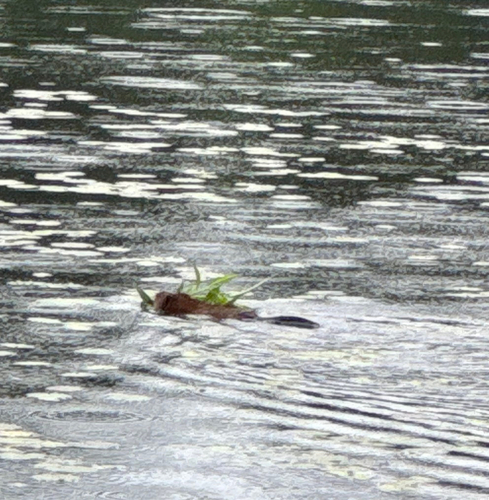
Muskrats are furry animals that love to live near water. They are great swimmers and build cozy homes called lodges using plants and mud.
Habitat: Wetlands
The Muskrat has a stocky, brownish-red body with a lighter belly and small ears. Its most distinctive features are its long, flattened, and nearly hairless tail, and its partially webbed hind feet for swimming.
Category
MammalsRarity
Common
Danger
2/5 · Low
Snaps
59
Baby muskrats, called 'kits,' are born blind and hairless but grow incredibly fast to survive!
Muskrats are so agile underwater, they can even swim backward to escape predators!
Muskrats build dome-shaped homes called 'lodges' from mud and plants, looking like mini beaver dams!
Their powerful incisor teeth never stop growing, which means they must constantly chew to keep them short!
Muskrat can hold its breath for up to 17 minutes, allowing it to forage for food and escape predators underwater.
Muskrat has partially webbed hind feet and a flat, rudder-like tail that help them swim quickly and steer efficiently.
Muskrat has dense, oily fur that keeps it warm and dry in icy water, which helps them survive cold climates.
Muskrat can close its lips behind its front teeth, allowing them to gnaw on plants underwater without swallowing water.
Muskrats primarily munch on aquatic plants but also enjoy small critters like mussels and crayfish.
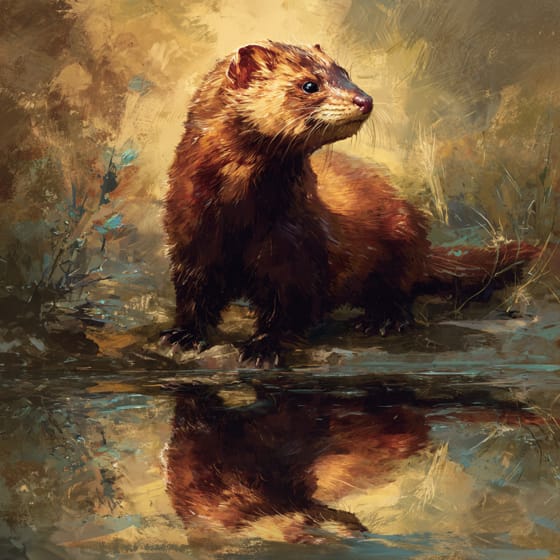
Neogale vison
A primary predator of muskrats near water.
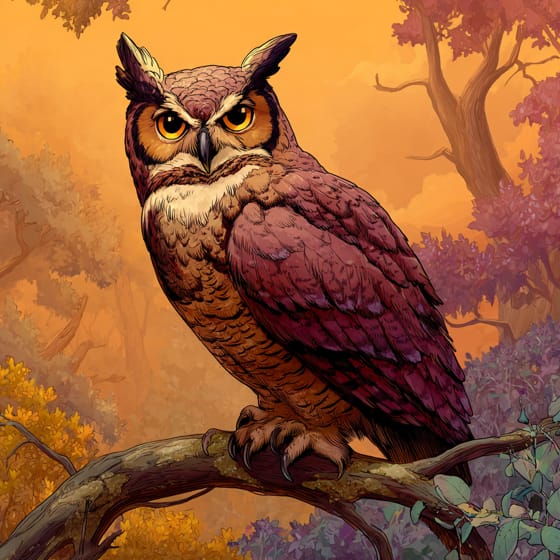
Bubo virginianus
Owls often snatch muskrats from the land or water's edge.
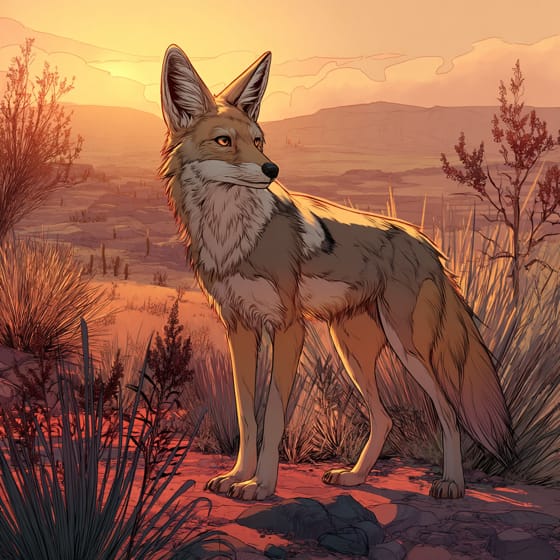
Canis latrans
Coyotes hunt muskrats, especially when they are on land.
Typha latifolia
Muskrats consume the roots and stems of this common plant.
_-_Unionidae_-_Mollusc_shell.jpeg&width=800)
Anodonta grandis
Muskrats crack open mussels they find at the bottom.
Furry describes animals possessing a dense covering of soft hair or fur.
Characterized by having toes connected by a membrane, typically aiding in swimming.
Social animals live in organized groups, cooperating for survival benefits such as foraging, defense, and raising offspring.
This trait characterizes organisms whose diet consists entirely or primarily of plant material.

This habitat trait identifies species found in wetlands, which are areas of land saturated with water, either permanently or seasonally, including marshes, swamps, and bogs.

Diurnal animals are primarily active during daylight hours, typically resting or sleeping at night.

Describes a species whose presence and role have a disproportionately large effect on its environment.
Danger
2/5 · Low
Always watch from a distance and don't try to touch wild animals like muskrats.
The easiest way to identify Muskrat is to use the Snappit nature identifier app.
45-65 cm
0.6-2 kg
3-4 years
5 km/h
Muskrats primarily munch on aquatic plants but also enjoy small critters like mussels and crayfish.
Wetlands
Foraging
Zoom in to split clusters and explore where this object has been snapped.
Jun 2, 2026
Bedford DepotPhoto attribution
(c) Lythronax246, some rights reserved (CC BY)
License: CC BY 4.0 ↗
Image may be shown cropped inside the card frame.
May 23, 2026
Innisfree GardenPhoto attribution
(c) tomas_kay, some rights reserved (CC BY)
License: CC BY 4.0 ↗
Image may be shown cropped inside the card frame.

Rhode Island, US
You might spot Common Eastern Bumble Bee and Osprey.
View guide →

New Jersey, US
You might spot Monarch, Great Blue Heron, and American Robin.
View guide →

Indiana, US
You might spot Common Reed, Rosepink, and Bearberry.
View guide →
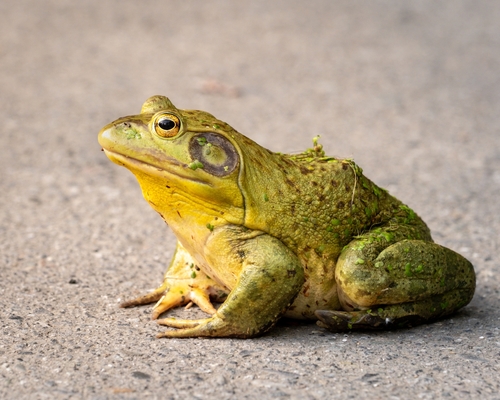
Virginia, US
You might spot American Bullfrog, Snapping Turtle, and Great Blue Heron.
View guide →

Illinois, US
You might spot American Robin, Canada Goose, and House Sparrow.
View guide →
Virginia, US
You might spot American Bullfrog, Snapping Turtle, and Great Blue Heron.
View guide →
Take the discovery with you
Snap it with Snappit to identify it, learn what makes it special, and add the discovery to your collection.






.jpg&width=800)


.JPG&width=800)


.jpg&width=800)
