




Shrimp
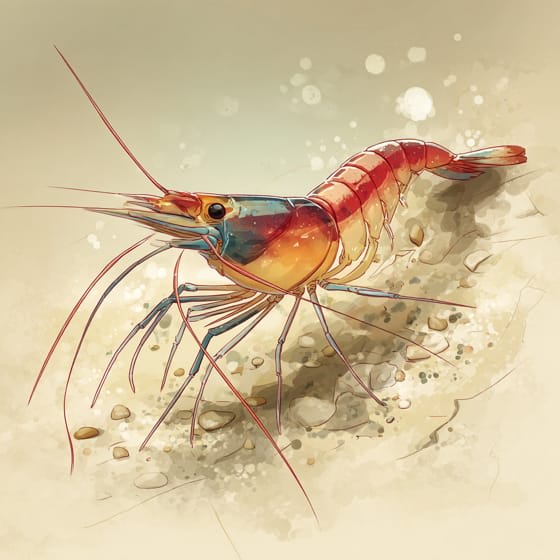
Scolanthus shrimp
Shrimp are small sea creatures with long, curved bodies and lots of legs. They live in the ocean and are tasty treats for many animals.
Habitat: Coastal areas
The Scolanthus shrimp is a slender, segmented insect with a flattened body, typically appearing in translucent grays or greens. It has large, dark compound eyes and long, delicate antennae that extend from its head. Its distinctive curled abdomen gives it a shrimp-like appearance.
Category
InvertebrateRarity
Common
Danger
1/5 · Very low
Snaps
Be the first to snap!
Despite its name, this 'shrimp' is a true insect, more related to grasshoppers than ocean creatures!
Some Scolanthus shrimp can slightly change their body color to match their surroundings!
They use special bristly legs to filter tiny food particles right out of the water!
This tiny insect can regrow lost legs and even antennae if they get damaged!
Scolanthus shrimp can dart backward quickly by flicking its segmented abdomen, which helps it escape sudden aquatic threats.
Scolanthus shrimp has a semi-transparent exoskeleton, allowing it to blend seamlessly into submerged vegetation and avoid predators.
Scolanthus shrimp uses its long, sensitive antennae to detect vibrations and chemical changes in the water, helping it locate food.
This insect mostly sifts tiny bits of decaying plants and algae from the water using specialized legs.
Age differences: Larvae primarily filter feed, while adults may supplement with small plant matter.
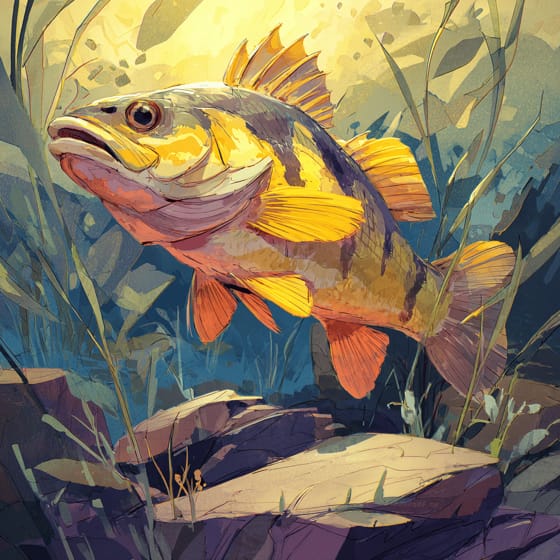
Perca flavescens
An important food source for many freshwater fish species.
Anax junius
Larval dragonfly nymphs prey on the Scolanthus shrimp.
Spirogyra neglecta
Relies on algae for sustenance and habitat within its environment.
This trait identifies organisms whose diet includes both plant and animal matter.
Camouflaged describes organisms that possess coloring or patterns that allow them to blend into their environment.
Filter feeders obtain nutrients by straining suspended food particles and small organisms from water.
This trait signifies organisms belonging to a very old evolutionary group with ancestors dating back millions of years.

Coastal habitats are dynamic environments located along the interface between land and sea, influenced by tides, waves, and saltwater.
Regenerative organisms possess the ability to regrow lost or damaged body parts, tissues, or organs.

Nocturnal animals are primarily active during the nighttime hours, typically resting or sleeping during the day.
Danger
1/5 · Very low
If you see a shrimp in the ocean, admire it from a distance and don't try to catch it.
The easiest way to identify Shrimp is to use the Snappit nature identifier app.
5-30 mm
30-180 days
This insect mostly sifts tiny bits of decaying plants and algae from the water using specialized legs.
Coastal areas
Filter Feeding
6
Zoom in to split clusters and explore where this object has been snapped.
Recent snaps will appear here as new observations are added.

Ohio, US
You might spot Sand Tiger Shark, Nurse Shark, and Cow.
View guide →

US
You might spot Electric Eel, Axolotl, and Sturgeon.
View guide →

Massachusetts, US
You might spot Crab, Lobster, and Horseshoe Crab.
View guide →

Hawaii, US
You might spot Sea Turtle, Blacktip Reef Shark, and Spotted Eagle Ray.
View guide →
Take the discovery with you
Snap it with Snappit to identify it, learn what makes it special, and add the discovery to your collection.