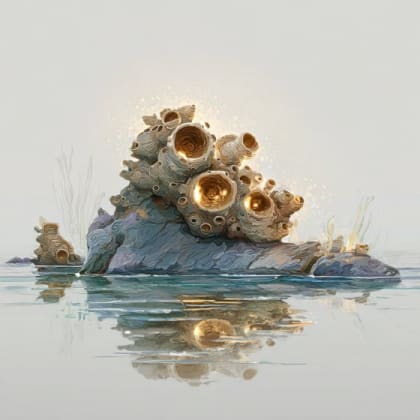


Octopus
Octopus vulgaris
Octopuses are clever sea creatures with eight arms covered in suction cups. They can change color and texture to hide from predators or sneak up on prey in the ocean.
Habitat: Marine
The Octopus has a soft, bulbous head and eight powerful arms lined with suckers. Its skin can rapidly change color and texture, often blending seamlessly with rocky or coral surroundings.
Category
InvertebrateRarity
Common
Danger
2/5 · Low
Snaps
Be the first to snap!
Each of an octopus's eight arms can taste and smell independently!
Octopuses have a donut-shaped brain that surrounds their esophagus!
Some can change their skin to look like venomous sea snakes or lionfish!
They are jet-powered, using a siphon to squirt water and zoom away!
Octopus can instantly change its skin color and texture to perfectly match its surroundings, helping it hide.
Octopus can squirt a cloud of dark ink to confuse predators, giving it time to escape into a safe spot.
Octopus has no bones, allowing it to squeeze through incredibly tiny cracks and crevices for refuge.
Octopus can regrow an arm if it gets lost or damaged, ensuring it always has all eight for hunting.
Octopuses are clever predators, feasting on crabs, clams, and small fish in the ocean.
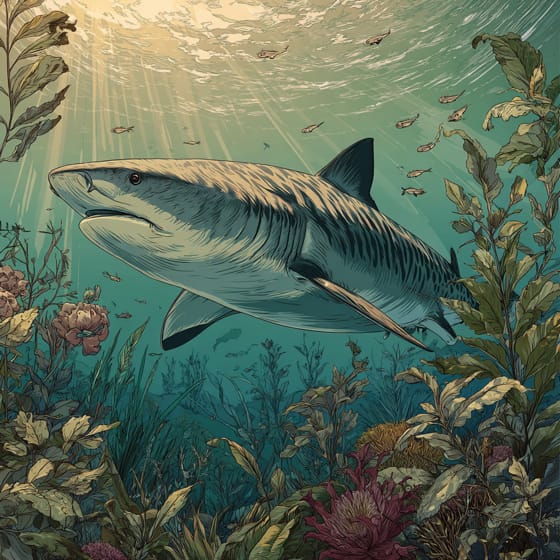
Galeocerdo cuvier
a common predator in its range.
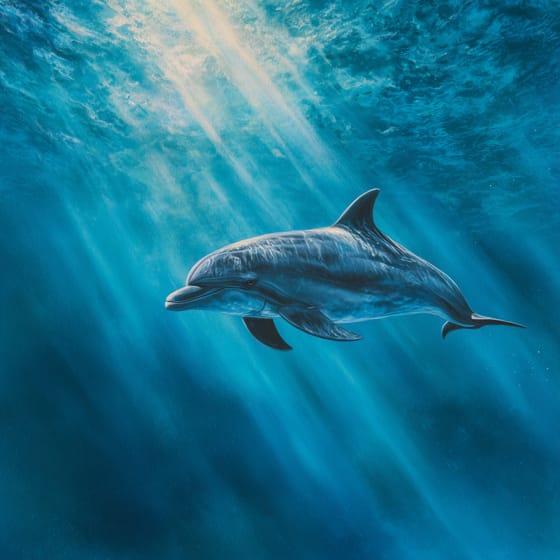
Tursiops truncatus
Dolphins often hunt and play with octopuses.
Muraena helena
Moray eels are skilled octopus hunters.
Solitary animals live alone for most of their lives, only interacting with others for mating or parental care.
Camouflaged describes organisms that possess coloring or patterns that allow them to blend into their environment.
This trait describes organisms that manipulate external objects to achieve a specific goal.
This trait identifies organisms whose diet consists entirely or primarily of animal tissue.

Describes a species whose presence and role have a disproportionately large effect on its environment.
Regenerative organisms possess the ability to regrow lost or damaged body parts, tissues, or organs.

Marine habitats encompass all saltwater environments of the Earth's oceans, supporting an immense diversity of aquatic life.

Nocturnal animals are primarily active during the nighttime hours, typically resting or sleeping during the day.

Venomous organisms produce toxins that are injected into another animal, typically through a bite or sting.
Danger
2/5 · Low
Always observe octopuses from a safe distance and never touch them in the wild.
The easiest way to identify Octopus is to use the Snappit nature identifier app.
30 cm
5 kg
1 years
Octopuses are clever predators, feasting on crabs, clams, and small fish in the ocean.
Marine
Ambush
8
Zoom in to split clusters and explore where this object has been snapped.
Recent snaps will appear here as new observations are added.
Ohio, US
You might spot African Lion, Tiger, and Snow Leopard.
View guide →

Ohio, US
You might spot Sand Tiger Shark, Nurse Shark, and Cow.
View guide →

Wisconsin, US
You might spot African Elephant, Humboldt Penguin, and Gorilla.
View guide →

Illinois, US
You might spot Beluga Whale, Pacific White-Sided Dolphin, and Sea Otter.
View guide →

US
You might spot Carpenter Ants, Typical Sugar Ants and Allies and Axolotl.
View guide →

New York, US
You might spot Coral, Sea Lion, and African Penguin.
View guide →
Take the discovery with you
Snap it with Snappit to identify it, learn what makes it special, and add the discovery to your collection.