





Viola
Viola violacea
Violas are sweet little flowers that bloom in many colors! They are closely related to pansies and are perfect for gardens.
Habitat: Gardens and flower beds
The Viola has small, heart-shaped or kidney-shaped leaves, forming low-growing clumps. Its distinctive five-petaled flowers often boast vibrant hues of purple, blue, white, or yellow, frequently with darker blotches or lines, and a characteristic spur at the back.
Category
PlantsRarity
Common
Danger
1/5 · Very low
Snaps
Be the first to snap!
A group of violets is sometimes called a "fragrance"—imagine that sweet sound!
Ancient Greeks used violets to sweeten wine and even make medicine. Wow!
If you eat viola flowers, they taste slightly sweet and are packed with healthy vitamins.
Some violets have two kinds of flowers: open ones for bugs, and tiny closed ones that self-pollinate!
Viola can produce hidden, closed flowers that self-pollinate and guarantee seeds, even without helpful insects around.
Viola has special fatty treats on its seeds that entice ants to carry them away, helping the plant spread.
Viola can thrive in shady forest floors or under other plants, using light that might be too dim for others.
Apis mellifera
Visits open flowers for nectar.
Bombus impatiens
Collects nectar and pollen.
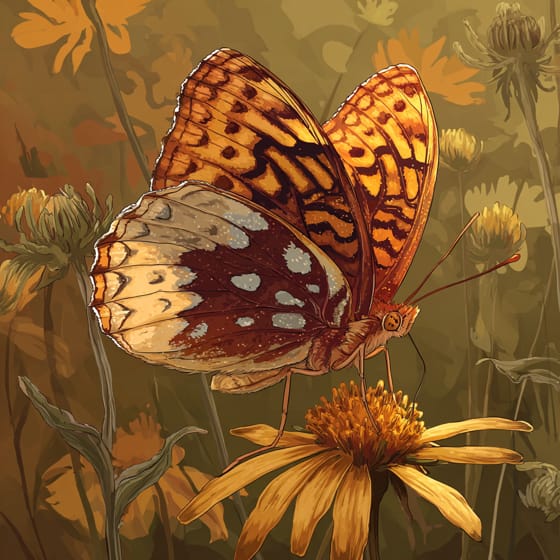
Speyeria cybele
Larvae feed on viola leaves.
Myrmica rubra
Carries viola seeds for food.
Shade tolerant plants are adapted to grow and thrive in areas with low light levels, requiring less direct sunlight.
Spring blooming plants produce their flowers during the spring season, often signifying the end of winter and the start of new growth.
Everblooming plants produce flowers continuously or in repeated flushes over a long period.
Fragrant flowers emit a pleasant aroma, often to attract pollinators or for defense.

This habitat trait indicates species that can coexist with humans in urban and suburban environments, utilizing man-made structures and green spaces.

Describes organisms that transfer pollen, enabling the fertilization and reproduction of plants.
Danger
1/5 · Very low
Explore with care and ask an adult if you’re unsure what to do.
The easiest way to identify Viola is to use the Snappit nature identifier app.
10-30 cm
10-30 cm
1-3 cm
Spring to Fall
Yes
Mild
Perennial
Zoom in to split clusters and explore where this object has been snapped.
Recent snaps will appear here as new observations are added.
Take the discovery with you
Snap it with Snappit to identify it, learn what makes it special, and add the discovery to your collection.









.jpg&width=800)


_001.jpg&width=800)



