





Violets
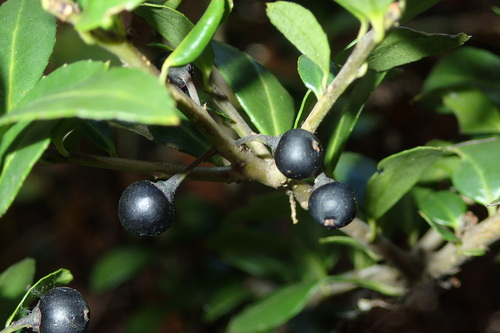
Nestled in the heart of Vienna, Fairfax County, Ashlawn Park offers a remarkably serene escape from urban life.
Nestled in the heart of Vienna, Fairfax County, Ashlawn Park offers a remarkably serene escape from urban life. This 16.4-acre community park is a testament to natural preservation, providing visitors with an extensive network of well-maintained asphalt trails that gracefully wind through both manicured and wild natural areas. It's a tranquil haven where the gentle rustle of leaves and the distant calls of wildlife replace city sounds, making it an ideal destination for leisurely walks, invigorating runs, and quiet contemplation of nature.
Ashlawn Park boasts a diverse landscape, featuring lush stream valleys and vital wetland areas that contribute to its rich biodiversity. As you explore, keep an eye out for a variety of flora, including the vibrant Japanese holly, cheerful daffodils in spring, and the persistent green of Christmas fern and common ivy year-round. The changing seasons bring new colors, with Japanese maple and Carolina Silverbell adding their hues. The park is also home to a fascinating array of local fauna; observant visitors might spot the distinctive North American Wheel Bug or the striking Spotted Lanternfly. Reptilian residents like the DeKay's Brownsnake and the sturdy Common Box Turtle are also part of the park's ecosystem, while the majestic Common Whitetail deer can occasionally be seen moving through the wooded areas.
More than just a park, Ashlawn is a cherished community resource designed for both passive enjoyment and active recreation. It invites visitors to slow down, connect with the natural world, and rediscover the simple pleasures of being outdoors. Whether you're seeking a peaceful stroll, a refreshing jog, or an opportunity to observe local wildlife in their natural habitat, Ashlawn Park promises a memorable and rejuvenating experience throughout the year. Turn your visit into a safari! Use the Snappit app to scan and log wildlife sightings here.
Ashlawn Park in Fairfax County was established with the clear objective of providing a daily recreational relief within an urban setting. Planning documents outline its designation as a community park, intended to serve a variety of interests, from limited improvements to more comprehensive programs. A key aspect of its development was the preservation of its natural woodland image and the creation of a minimally disturbed "quiet area" specifically for wildlife development. The park's design thoughtfully integrated trails for hiking, biking, and even horseback riding, while carefully considering the topographical variations and environmental qualities that needed to be preserved.
Enjoy leisurely walks or invigorating runs on the well-maintained trails. Engage in wildlife observation and photography, keeping an eye out for plants such as Christmas fern and Golden-bell, and creatures like the Common Whitetail and Common Box Turtle.
Spring: Witness the emergence of daffodils and violets, and increased activity among insects and birds.
Summer: Enjoy lush greenery and watch for insects like the North American Wheel Bug and Spotted Lanternfly.
Autumn: Experience breathtaking fall colors from trees like the Japanese maple.
Winter: Provides a peaceful atmosphere for quiet reflection and the opportunity to observe animal tracks in fresh snow.
The park features well-maintained asphalt trails, making them suitable for wheelchairs, strollers, and those with limited mobility. The planning for the park also generally considered accessibility for trails.
The extensive network of asphalt trails is a primary feature, perfect for walking and running. The park's stream valleys and wetland areas are crucial habitats for local wildlife and offer scenic beauty.
Each card links to a full Explore page with photos, traits, and fun facts.
Start with the big picture, then zoom in to explore individual wildlife observations around this place.
Footwear
Wear comfortable walking or running shoes, suitable for both paved and potentially natural, unpaved surfaces.
Optics
Bring binoculars for a closer look at birds and other distant wildlife.
Timing
Visit during the early morning or late afternoon for the best chances of observing wildlife, as many animals are most active during these times.
Trail Etiquette
Stay on marked trails to help protect the park's sensitive ecosystems, especially in wetland areas.
Hydration
Carry water, particularly during warmer months, to stay hydrated during your visit.
Respect Wildlife
Observe animals from a distance and avoid disturbing their natural behaviors.
May 25, 2025
Apr 29, 2025
Apr 29, 2025
Mar 19, 2025
Apr 15, 2022

Maryland, US
You might spot White-Tailed Deer and Eastern Gray Squirrel.
View guide →
.jpg)
District of Columbia, US
You might spot Eastern Gray Squirrel, Duck, and House Sparrow.
View guide →

Illinois, US
You might spot American Robin, Canada Goose, and House Sparrow.
View guide →

Virginia, US
You might spot Spotted Lanternfly and Northern Cardinal.
View guide →
Take the discovery with you
Identify the wildlife you spot, learn as you go, and keep a collection of the adventure.