





Blueberry Bush
Bombus californicus
Blueberry Bush is a small bush that produces yummy blueberries! These little fruits are loved by many animals.
Habitat: Blueberry bushes love sunny places and are often found in orchards and gardens.
The Blueberry Bush is a medium-sized shrub with glossy green leaves that often turn reddish in fall. It produces small, bell-shaped white or pink flowers in spring, followed by distinctive blue-purple berries with a powdery white 'bloom'.
Category
PlantsRarity
Common
Danger
1/5 · Very low
Snaps
Be the first to snap!
Blueberries are one of the only fruits that are naturally true blue!
Blueberries turn blue only after they are fully ripe and ready to be picked!
Some blueberry bushes can live and produce fruit for over 50 years!
The powdery 'bloom' on blueberries protects them from sun and moisture loss.
Blueberry Bush can grow in very acidic soil where most plants struggle, thanks to its specialized roots that thrive in those conditions.
Blueberry Bush has vibrant blue berries that attract birds and other animals, encouraging them to eat the fruit and spread its seeds far and wide.
Blueberry Bush can survive cold winters by going dormant and shedding its leaves, protecting itself from frost and harsh conditions.
Bombus impatiens
Visits flowers to collect nectar and pollen.
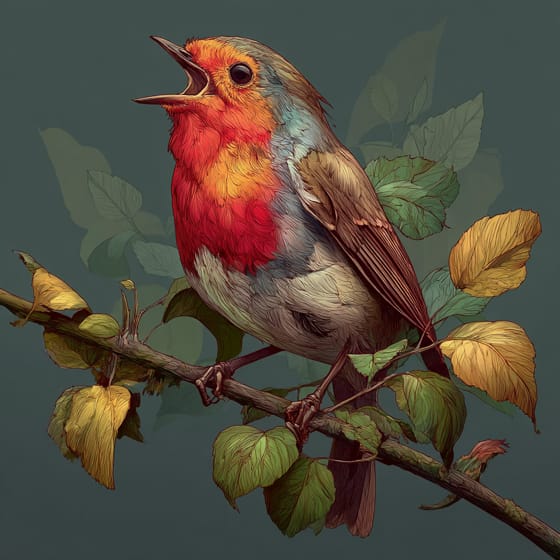
Turdus migratorius
Eats ripe blueberries, helping to spread seeds.
Ursus americanus
Feasts on wild blueberries in late summer.
Rhizophagus intraradices
Forms a beneficial partnership with its roots.
Deciduous plants periodically shed all their leaves, typically during autumn or dry seasons.
A shrub is a woody plant smaller than a tree, typically with multiple stems branching from or near the ground.
Spring blooming plants produce their flowers during the spring season, often signifying the end of winter and the start of new growth.
Fruit-bearing plants produce fruits, which are the mature ovaries of flowering plants containing seeds.

Edible plants are those parts of a plant that are considered safe for human consumption.

Forest habitats are terrestrial environments dominated by dense tree cover, supporting a high diversity of plant and animal life.
Danger
1/5 · Very low
Explore with care and ask an adult if you’re unsure what to do.
The easiest way to identify Blueberry Bush is to use the Snappit nature identifier app.
60-200 cm
60-150 cm
0.5-1.5 cm
Spring
Yes
None
Perennial
Zoom in to split clusters and explore where this object has been snapped.
Recent snaps will appear here as new observations are added.
Take the discovery with you
Snap it with Snappit to identify it, learn what makes it special, and add the discovery to your collection.








.jpg&width=800)



_001.jpg&width=800)



