



Wheat
Triticum
Wheat is a tall grass that grows in fields and is harvested for food! It’s an important plant for making bread and other yummy treats.
Habitat: Farms and fields
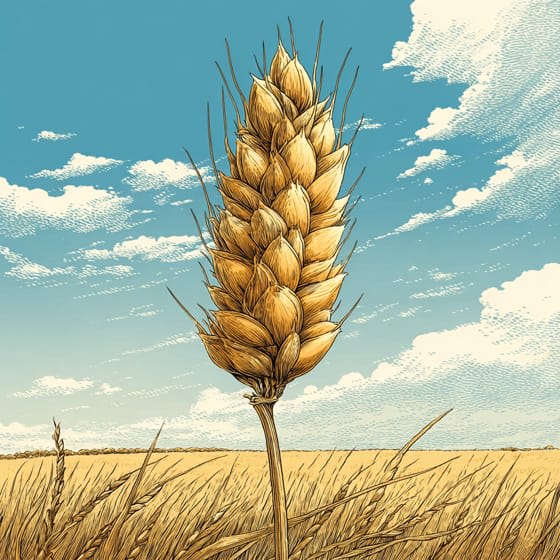
The Wheat has slender, upright stems that ripen from green to a distinct golden-brown color. Its long, narrow leaves are topped by a dense seed head, called a spike, often adorned with bristly awns, which makes it look like a bristly brush.
Category
PlantsRarity
Common
Danger
1/5 · Very low
Snaps
Be the first to snap!
Durum wheat is extra hard, making it the perfect kind for yummy pastas and couscous!
Just one small kernel of wheat can be ground into enough flour to make over 9,000 tiny pieces of pasta!
The tallest wheat plant ever recorded grew over 7 feet tall, standing like a giant grass stalk!
Wheat was first farmed over 10,000 years ago, helping early humans settle down and build towns!
Wheat has tiny, feathery stigmas that efficiently catch pollen carried by the wind, ensuring reproduction without needing insects.
Wheat can thrive in a vast range of climates and soils, allowing it to be grown almost anywhere on Earth.
Many wheat varieties can self-pollinate, guaranteeing a reliable harvest of seeds even if no other wheat plants are nearby.

Homo sapiens
major food source worldwide
Rattus norvegicus
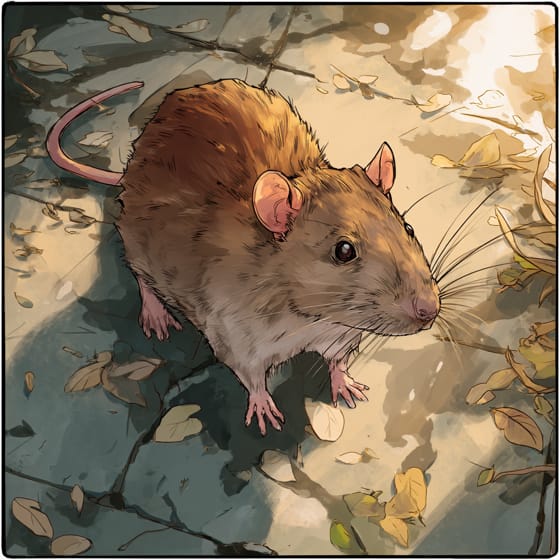
eats stored grains and plants
Sitophilus granarius
larvae and adults consume stored grains
Puccinia graminis
fungus causes devastating disease
This human use trait denotes species cultivated as grain crops, harvested for their edible dry seeds (grains), which are a staple food source.
This human use trait describes species cultivated or domesticated by humans for agricultural purposes, including crops and livestock.
Edible plants are those parts of a plant that are considered safe for human consumption.
Grassland habitats are terrestrial biomes dominated by grasses and herbaceous plants, supporting a variety of grazing animals.
Danger
1/5 · Very low
Explore with care and ask an adult if you’re unsure what to do.
The easiest way to identify Wheat is to use the Snappit nature identifier app.
60-120 cm
Spring_early_summer
Yes
None
Annual
Wind
Farms and fields
Zoom in to split clusters and explore where this object has been snapped.
Recent snaps will appear here as new observations are added.
Take the discovery with you
Snap it with Snappit to identify it, learn what makes it special, and add the discovery to your collection.









.jpg&width=800)



_001.jpg&width=800)



