




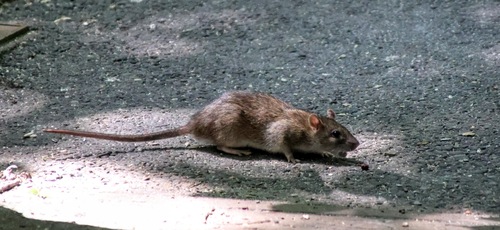
Brown Rat
Rattus norvegicus
Brown rats are clever little animals that live all around the world. They have long tails and love to explore their homes, often in cities and farms.
Habitat: Urban areas
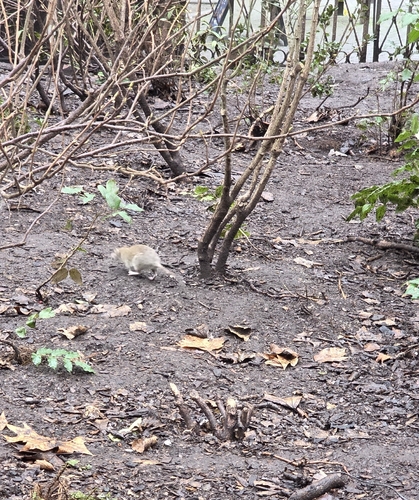
The Brown Rat is a medium-sized rodent with shaggy, coarse fur that is typically brown or greyish-brown on its back and lighter grey or white on its belly. It has a thick, scaly, hairless tail usually shorter than its body, small ears, and a blunt snout, distinguishing it from the longer-tailed Black Rat.
Category
MammalsRarity
Common
Danger
2/5 · Low
Snaps
51
A female brown rat can have up to seven litters of babies in a single year!
Brown rats are excellent communicators, using squeaks, hisses, and even body language!
Their whiskers are super sensitive, helping them 'feel' their way around in the dark.
They learn quickly by watching other rats, like how to open tricky food containers.
Brown Rats can dig complex burrow systems because they have strong claws and teeth that help them create shelter and escape routes.
Brown Rats have an excellent sense of smell and taste that helps them detect poisons and find nutritious food sources.
Brown Rats can gnaw through tough materials because their incisor teeth constantly grow and are incredibly strong.
Brown rats are omnivores, meaning they eat almost anything, from plants to meat!

Canis familiaris
Domesticated dogs frequently hunt brown rats.

Felis catus
Domestic cats often prey on brown rats.
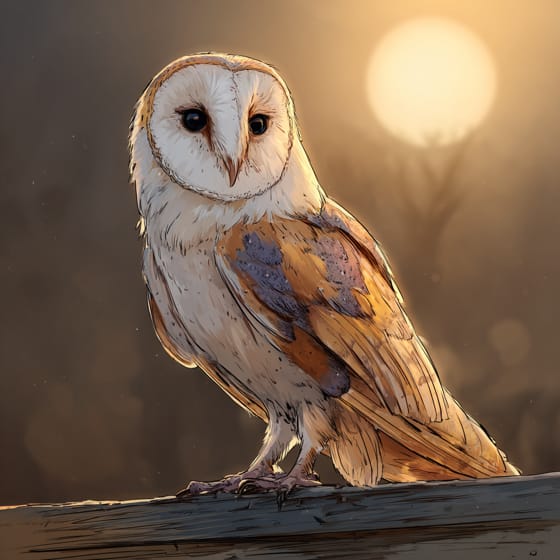
Tyto alba
Barn owls hunt brown rats in open country.
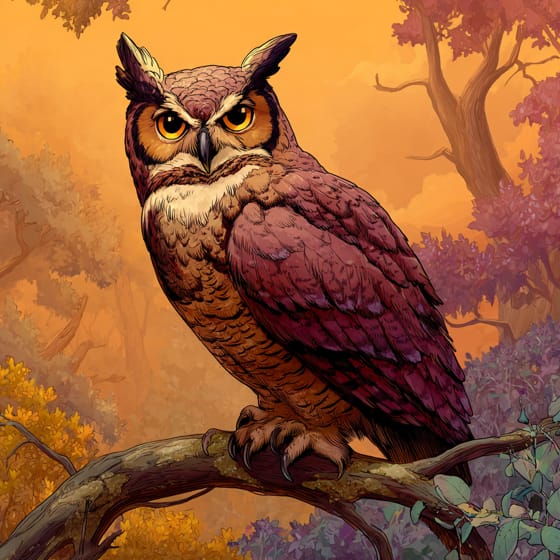
Bubo virginianus
Great horned owls are powerful predators of rats.
Furry describes animals possessing a dense covering of soft hair or fur.
Social animals live in organized groups, cooperating for survival benefits such as foraging, defense, and raising offspring.
This trait identifies organisms whose diet includes both plant and animal matter.
Scavengers consume dead organic matter, helping to decompose carcasses and other waste in the ecosystem.

Burrowing animals dig tunnels and chambers in the ground, using these subterranean structures for shelter, hunting, or breeding.

This trait identifies organisms that exhibit exceptional swiftness in movement for hunting, escape, or travel.

This habitat trait indicates species that can coexist with humans in urban and suburban environments, utilizing man-made structures and green spaces.
Danger
2/5 · Low
Do not touch wild rats; they can carry germs. Always watch from a distance.
The easiest way to identify Brown Rat is to use the Snappit nature identifier app.
15-28 cm
0.15-0.5 kg
1-3 years
12 km/h
Brown rats are omnivores, meaning they eat almost anything, from plants to meat!
Urban areas
Foraging
Zoom in to split clusters and explore where this object has been snapped.
Jun 6, 2026
Riverside Drive–West 80th–81st Streets Historic DistrictPhoto attribution
(c) cappycollins, some rights reserved (CC BY)
License: CC BY 4.0 ↗
Image may be shown cropped inside the card frame.
Jan 2, 2026
Pioneer SquarePhoto attribution
(c) Alexandria 'Alex' Wenninger, some rights reserved (CC BY)
License: CC BY 4.0 ↗
Image may be shown cropped inside the card frame.
.jpg)
District of Columbia, US
You might spot Eastern Gray Squirrel, Duck, and House Sparrow.
View guide →

District of Columbia, US
You might spot Spotted Lanternfly and Eastern Gray Squirrel.
View guide →

District of Columbia, US
You might spot Duck, Eastern Gray Squirrel, and House Sparrow.
View guide →

District of Columbia, US
You might spot Eastern Gray Squirrel, Spotted Lanternfly, and Duck.
View guide →

Washington, US
You might spot Rock Pigeon, American Crow, and Olympic Gull.
View guide →

District of Columbia, US
You might spot Eastern Gray Squirrel, Spotted Lanternfly, and Duck.
View guide →
Take the discovery with you
Snap it with Snappit to identify it, learn what makes it special, and add the discovery to your collection.






.jpg&width=800)



.JPG&width=800)


.jpg&width=800)
