





Scabiosa
Scabiosa
Scabiosa, also known as the pincushion flower, has beautiful blooms that attract butterflies and bees. It loves sunny spots and can brighten up any garden!
Habitat: Gardens and sunny fields
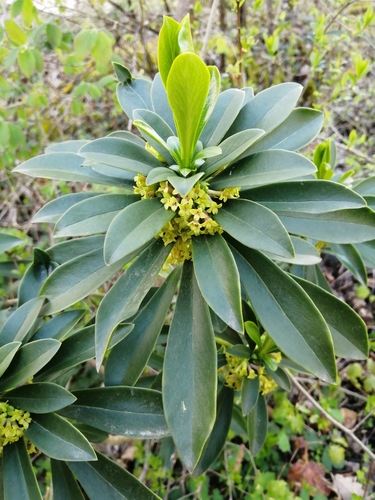
The Scabiosa has unique pincushion-like flowers with a central dome surrounded by a delicate skirt of frilly petals. These charming blooms typically appear in shades of lavender, blue, pink, white, or deep maroon. Its distinctive structure makes it stand out in any garden.
Category
PlantsRarity
Common
Danger
1/5 · Very low
Snaps
Be the first to snap!
Its unique blooms are often nicknamed "pincushion flowers" because of their appearance!
Some Scabiosa varieties are called "mourning brides" for their deep, velvety flower colors!
The dried seed heads of some species make beautiful, long-lasting decorations!
The name "Scabiosa" comes from a Latin word meaning "itchy," linked to a similar plant!
Scabiosa produces abundant sweet nectar and vibrant flowers that effectively attract pollinators like bees and butterflies from afar.
After blooming, Scabiosa forms interesting, globe-shaped seed heads that cleverly help disperse its tiny seeds for new growth.
Apis mellifera
gathers nectar and pollen.
Vanessa cardui
drinks nectar, aiding in reproduction.
Aphis fabae
sucks sap from stems and leaves.
Flowering plants are any plants that produce flowers as part of their reproductive cycle.
Summer blooming plants produce their flowers during the summer season, often providing vibrant color when many other plants have finished.
Fragrant flowers emit a pleasant aroma, often to attract pollinators or for defense.
Grassland habitats are terrestrial biomes dominated by grasses and herbaceous plants, supporting a variety of grazing animals.
Danger
1/5 · Very low
Explore with care and ask an adult if you’re unsure what to do.
The easiest way to identify Scabiosa is to use the Snappit nature identifier app.
30-90 cm
20-60 cm
3-7 cm
Summer to fall
No
None
Perennial
Zoom in to split clusters and explore where this object has been snapped.
Recent snaps will appear here as new observations are added.
Take the discovery with you
Snap it with Snappit to identify it, learn what makes it special, and add the discovery to your collection.








.jpg&width=800)


_001.jpg&width=800)




