





European Rabbit
Oryctolagus cuniculus
The European Rabbit is a friendly little animal known for its long ears and fluffy tail. They love to hop around in grassy fields and are often seen in groups called colonies.
Habitat: Grasslands and forests
The European Rabbit has soft, dense fur, typically grey-brown with a lighter belly and a short, fluffy white tail that has a dark top. Its long ears often have dark tips, helping to distinguish it from a hare.
Category
MammalsRarity
Common
Danger
1/5 · Very low
Snaps
Be the first to snap!
A rabbit's teeth never stop growing, so they must constantly chew!
Their ears can rotate 270 degrees independently to pinpoint sounds!
They sleep with their eyes partly open, always alert for predators!
When alarmed, rabbits thump their powerful hind legs to warn others!
European Rabbits can dig extensive burrows called warrens that provide safe homes and escape routes from danger.
European Rabbits can run in quick, zig-zag patterns, which helps them confuse and escape from chasing predators.
European Rabbits have long ears that rotate independently to pinpoint predator sounds from all directions.
European Rabbits digest their food twice by eating special droppings, gaining extra nutrients to stay healthy.
These fluffy foragers munch on grasses, herbs, and clover to stay healthy and strong!
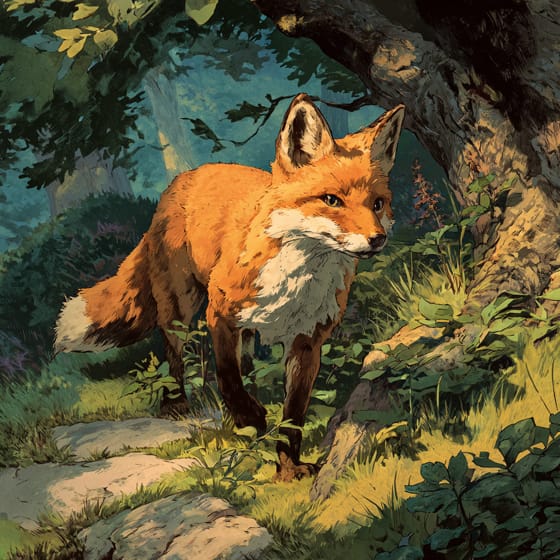
Vulpes vulpes
Red foxes are common predators of rabbits.

Aquila chrysaetos
Golden eagles hunt rabbits from the sky.
Mustela nivalis
Weasels can fit into burrows to hunt them.
Poa annua
Rabbits often graze on this common grass.
Wildlife encompasses all undomesticated animal and plant life existing in their natural habitats.
Furry describes animals possessing a dense covering of soft hair or fur.
Social animals live in organized groups, cooperating for survival benefits such as foraging, defense, and raising offspring.
Grassland habitats are terrestrial biomes dominated by grasses and herbaceous plants, supporting a variety of grazing animals.

This trait characterizes organisms whose diet consists entirely or primarily of plant material.

Domesticated refers to species that have been selectively bred and tamed by humans for specific purposes.

Nocturnal animals are primarily active during the nighttime hours, typically resting or sleeping during the day.
Danger
1/5 · Very low
European Rabbits are usually gentle, but it's best to watch them from a distance to keep them safe.
The easiest way to identify European Rabbit is to use the Snappit nature identifier app.
34-50 cm
1.3-2.5 kg
1-9 years
55 km/h
These fluffy foragers munch on grasses, herbs, and clover to stay healthy and strong!
Grasslands and forests
Grazing
Zoom in to split clusters and explore where this object has been snapped.
Recent snaps will appear here as new observations are added.
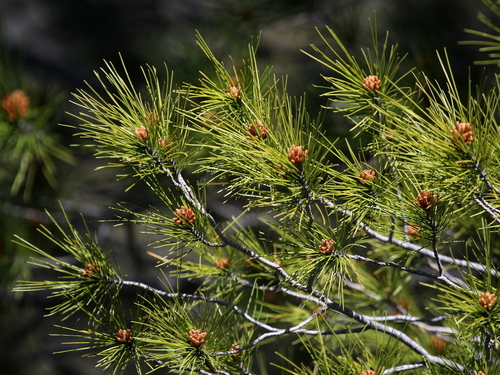
Spain, ES
You might spot Aleppo Pine, Mastic, and Tree Spurge.
View guide →

Washington, US
You might spot Canada Goose, Duck, and American Coot.
View guide →

Washington, US
You might spot Red Fox, Ghost Pipe, and Armenian Blackberry.
View guide →

Andalusia, ES
You might spot Yellow Rock Rose and Sage-Leaved Rock-Rose.
View guide →

British Columbia, CA
You might spot European Rabbit, Yellow Shore Crab, and Nootka Rose.
View guide →

Washington, US
You might spot Common Jewelweed, Pacific Banana Slug, and Thimbleberry.
View guide →
Take the discovery with you
Snap it with Snappit to identify it, learn what makes it special, and add the discovery to your collection.




.jpg&width=800)



.JPG&width=800)

.jpg&width=800)
