%2C_Fort_du_Loc%27h%2C_Guidel%2C_Brittany%2C_France_(19900725286)_(cropped).jpg&width=800)





Bembix rostrata
Bembix rostrata
Bembix rostrata、別名「サンドワスプ(スナハチ)」は、砂の中を掘るのが大好きな、小さくて素早い昆虫です。幼虫に与えるために他の昆虫を捕まえるのが得意で、砂地の周りでよく飛び回っているのを見かけます。
生息地: 沿岸地域
Bembix rostrataは中型のハチで、腹部には目を引く黒と鮮やかな黄色の縞模様があります。大きくてしばしば緑がかった複眼を持ち、鼻先に似た特徴的な細長い口吻があります。体はやや頑丈に見えることがあります。
カテゴリ
昆虫レア度
Common
危険度
2/5 · 低い
スナップ
最初にスナップしよう!
メスのサンドワスプ(スナハチ)は、特殊な剛毛を使ってわずか数分で巣穴を掘ることができます!
オスのBembix rostrataは、劇的な交尾の儀式の際にメスを「投げ飛ばす」ことで知られています!
母ハチは、巣穴の中で毎日新鮮な生きた餌を幼虫に与えます。
彼らは麻痺させた獲物を体の下に抱えて飛び、驚くべき飛行技術を見せます!
このサンドワスプ(スナハチ)は昆虫食で、飛んでいる昆虫を麻痺させて幼虫に与えます。
年齢による違い: 幼虫は麻痺した昆虫を食べます。成虫はエネルギー源としてもっぱら蜜を食べます。
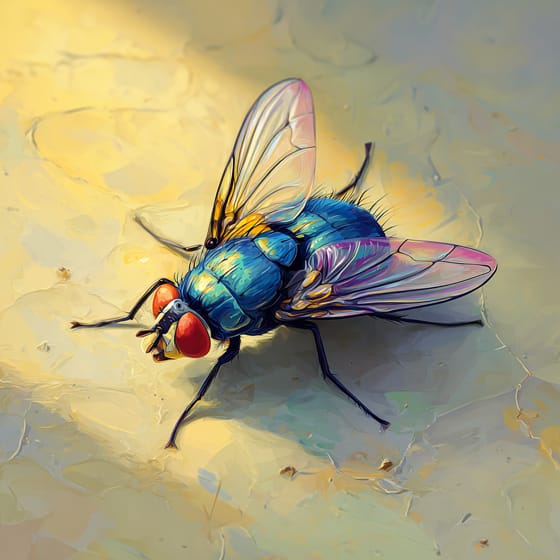
Musca domestica
幼虫は麻痺したハエを食べます。
Calliphora vomitoria
このハチの幼虫にとって一般的な獲物です。
Thymus serpyllum
成虫はエネルギー源として蜜を吸います。
Miltogramma punctatum
ハチの巣穴に卵を産み、食料を盗みます。
単独行動をとる動物は、繁殖や子育ての時を除き、生涯のほとんどを1匹で生活します。
この特性は、主に昆虫やその他の小型無脊椎動物を食べる生物を示します。
沿岸の生息地は、陸と海の境界に位置し、潮の満ち引き、波、海水の影響を受けるダイナミックな環境です。
その存在と役割が環境に対して極めて大きな影響を与える種を指します。

この特性は、狩り、逃走、または移動において、並外れた素早さを見せる生物を示します。

昼行性の動物は主に日中に活動し、通常は夜間に休息や睡眠をとります。

同種の標準や平均と比べて著しく小さい種に関する特徴。

この特徴は、食事のすべて、または大部分が動物の肉である生物を示します。

花粉を運び、植物の受粉と繁殖を助ける生物のことを指します。
危険度
2/5 · 低い
離れて見守り、彼らが作業している間は邪魔をしないようにしましょう。
Bembix rostrataを識別する最も簡単な方法は、Snappit自然識別アプリを使用することです。
25-45 mm
13-24 mm
20-40 日
20 km/h
このサンドワスプ(スナハチ)は昆虫食で、飛んでいる昆虫を麻痺させて幼虫に与えます。
沿岸地域
追跡
ズームインしてクラスターを分割し、このオブジェクトが撮影された場所を探索しましょう。
新しい観察が追加されると、ここに最近のスナップが表示されます。
発見を持ち帰ろう
Snappitで撮影して種類を調べ、発見をコレクションに残せます。








.jpg&width=800)



