





Dipsochelys dussumieri
Dipsochelys dussumieri
Dipsochelys dussumieriは、インドホシガメとしても知られる、甲羅に星のような模様がある美しいカメです。これらの模様は、乾燥した草地の生息地に溶け込むのに役立ちます。
生息地: 乾燥した草地
Dipsochelys dussumieriは、非常に巨大なカメで、高く盛り上がった暗灰色または黒色の甲羅が特徴です。太いゾウのような脚と小さな頭は、独特の古代的な外観を与え、より小さく平らな甲羅のカメとは一線を画しています。
カテゴリ
爬虫類レア度
Rare
危険度
1/5 · 非常に低い
スナップ
最初にスナップしよう!
赤ちゃんゾウガメは、巣ではなく、地中に埋められた卵から孵化します!
Dipsochelys dussumieriは、地球上で最も大きな陸生ゾウガメの一つです!
その大きな足は、小さなゾウの足跡のような特別な足跡を残します!
驚くほど長い間、餌や水なしで過ごすことができます!
Dipsochelys dussumieriは、信じられないほど長い寿命を持っており、島の生態系の多くの世代を見届けるのに役立ちます。
Dipsochelys dussumieriは、巨大な骨質の甲羅の中に引きこもることができ、ほとんどすべての捕食者から身を守ります。
Dipsochelys dussumieriは、膀胱近くの袋に水を貯蔵することができ、新鮮な水なしで長い乾燥期間を生き延びるのに役立ちます。
これらの穏やかな巨獣は主に植物を食べ、島の植生を整えます。
Sideroxylon grandiflorum
落ちた果物や葉を食べます。
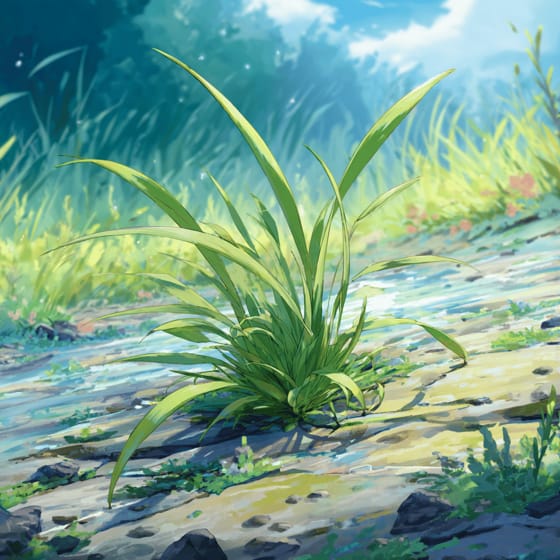
Cynodon dactylon
一般的な島の草を食べます。
Foudia aldabrana
放牧によって作られた開けた生息地から利益を得ます。
単独行動をとる動物は、繁殖や子育ての時を除き、生涯のほとんどを1匹で生活します。
カラフルとは、生物や物体が明るくはっきりとした多様な色合いを見せることを指します。
草原の生息地は、草や草本植物が優占する陸上バイオームであり、多様な草食動物を支えています。
食事のすべて、または大部分が植物で構成されている生物が持つ特徴です。

この特性は、何百万年もの昔にさかのぼる祖先を持つ、非常に古い進化のグループに属する生物であることを示しています。

この特性は、同種の他の生物に比べて寿命が非常に長い生物を指します。

昼行性の動物は主に日中に活動し、通常は夜間に休息や睡眠をとります。

「装甲」は、防御のために硬い外殻や甲羅で守られている動物を表します。

絶滅危惧とは、その種が近い将来、野生において絶滅する危険性が非常に高いことを示しています。
まだ別名はありません。
危険度
1/5 · 非常に低い
常に距離を置いて観察し、野生のカメに決して触らないでください。彼らには彼らの空間が必要です!
Dipsochelys dussumieriを識別する最も簡単な方法は、Snappit自然識別アプリを使用することです。
90-120 cm
150-250 kg
100-150 年
0.5 km/h
これらの穏やかな巨獣は主に植物を食べ、島の植生を整えます。
乾燥した草地
放牧
ズームインしてクラスターを分割し、このオブジェクトが撮影された場所を探索しましょう。
新しい観察が追加されると、ここに最近のスナップが表示されます。
発見を持ち帰ろう
Snappitで撮影して種類を調べ、発見をコレクションに残せます。














