





Grammostola rosea
Grammostola rosea
Grammostola rosea(チリアンローズタランチュラ)は、ピンク色または茶色のふわふわしたクモです。おとなしく、穏やかで飼いやすいため、よくペットとして飼われています。
生息地: 砂漠
Grammostola roseaは、ベルベットのような外観で知られる中型のタランチュラです。暗い体と脚を覆う赤褐色からピンクがかったオレンジ色の毛が特徴で、柔らかくバラ色の輝きを与えています。このユニークな色合いは、他の多くの暗い色のタランチュラ種と区別されます。
カテゴリ
昆虫レア度
Common
危険度
2/5 · 低い
スナップ
最初にスナップしよう!
Grammostola roseaは、数ヶ月間、時には最長1年間も食べ物なしで生き延びることができます!
メスのチリアンローズタランチュラは20年以上生きることができ、非常に長寿なペットです!
彼らの毒は通常、ハチの刺し傷に似た軽度のもので、人間にとって危険ではありません。
脱皮後に失った脚を再生することができ、まるで予備の手足を持っているかのようです!
Grammostola roseaは、腹部から刺激毛を飛ばして捕食者を刺激することで身を守ることができ、危険から逃れるのに役立ちます。
Grammostola roseaは、丈夫な牙と脚を持ち、複雑な巣穴を掘るのに役立ち、安全で隠された家を提供します。
Grammostola roseaは、脚を通じて微細な地面の振動を感じ取ることができ、近くの獲物や捕食者を検出することを可能にします。
これらのタランチュラは熟練した待ち伏せ捕食者で、小型昆虫やその他の小さな生き物を食べます。
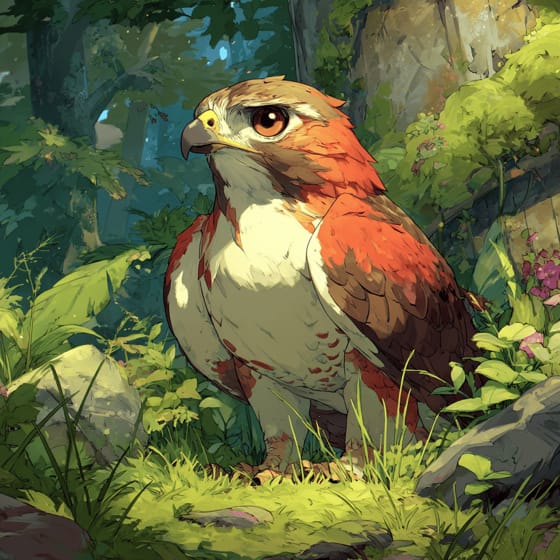
Buteo jamaicensis
タカは天敵です。
Acheta domesticus
主要な食料源です。
Pseudalopex culpaeus
キツネは大型のクモを捕食することがあります。
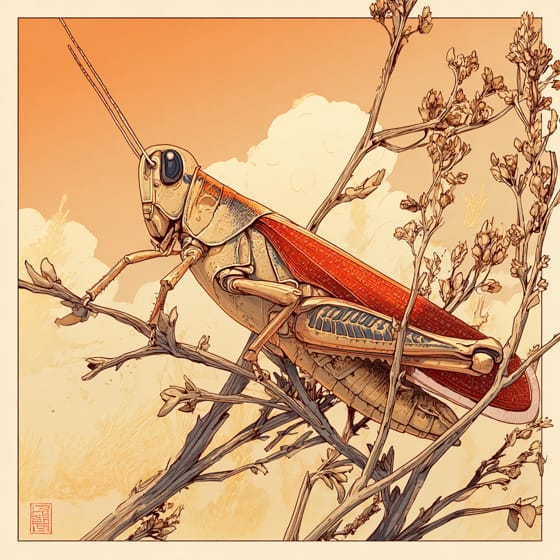
Schistocerca gregaria
一般的な大型昆虫の獲物です。
柔らかい体毛や毛皮が密集して体を覆っている動物の特徴を表します。
単独行動をとる動物は、繁殖や子育ての時を除き、生涯のほとんどを1匹で生活します。
カラフルとは、生物や物体が明るくはっきりとした多様な色合いを見せることを指します。
穴を掘る動物は、地中にトンネルや小部屋を作り、その地下の空間を隠れ家や狩り、繁殖のために利用します。

砂漠は極端に降水量が少なく、しばしば厳しい気温となる乾燥地帯であり、特有の動植物が生息しています。

この特性は、同種の他の生物に比べて寿命が非常に長い生物を指します。

この特徴は、食事のすべて、または大部分が動物の肉である生物を示します。
危険度
2/5 · 低い
常に距離を置いて観察し、大人なしにタランチュラに触らないでください。
Grammostola roseaを識別する最も簡単な方法は、Snappit自然識別アプリを使用することです。
50-70 mm
5475-7300 日
これらのタランチュラは熟練した待ち伏せ捕食者で、小型昆虫やその他の小さな生き物を食べます。
砂漠
待ち伏せ
8
ズームインしてクラスターを分割し、このオブジェクトが撮影された場所を探索しましょう。
新しい観察が追加されると、ここに最近のスナップが表示されます。
発見を持ち帰ろう
Snappitで撮影して種類を調べ、発見をコレクションに残せます。








.jpg&width=800)



