Lagostomus maximus
The Lagostomus maximus, also known as the greater guinea pig, is a large rodent that loves to dig and burrow in the ground. They are social animals and often live in groups, making them fun to watch!
生息地: Grasslands
The Lagostomus maximus has a robust body covered in soft, grayish-brown fur, transitioning to white on its belly. Its most distinctive features are the prominent black and white stripes across its face, resembling a mustache and sideburns, and a bushy, dark-tipped tail.


カテゴリ
哺乳類レア度
Common
危険度
1/5 · 非常に低い
スナップ
最初にスナップしよう!
Males grow impressive bristly 'mustaches' that get longer with age!
Their colonies can host hundreds of viscachas living together!
These social rodents love to sunbathe together outside their burrows!
Vizcachas pile sticks, bones, and even dung around their burrow entrances!
Lagostomus maximus can dig extensive, multi-chambered burrow systems because their powerful claws and strong limbs are perfectly adapted for excavation.
Lagostomus maximus has loud, sharp alarm calls that help warn the entire colony of approaching predators, allowing them to seek shelter.
Lagostomus maximus has stiff, dark facial bristles that grow with age, which helps males attract mates and assert dominance.
Lagostomus maximus can maintain clean burrows by using designated latrine areas, which helps reduce disease and attract fewer predators.
These plant-eating rodents munch on grasses, herbs, and roots found in their South American habitat.
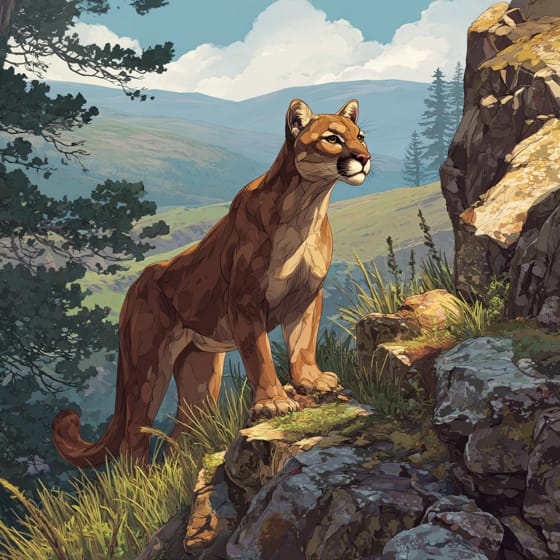
Puma concolor
A primary predator in its natural range.
Lycalopex gymnocercus
Frequently preys on viscachas, especially young ones.
Geranoaetus melanoleucus
Large birds of prey often hunt these rodents.
Paspalum notatum
A common grass species that forms a significant part of its diet.
Bothrops alternatus
Sometimes uses abandoned viscacha burrows for shelter.
危険度
1/5 · 非常に低い
If you see one in the wild, it's best to watch from a distance and not disturb their home.
47-66 cm
2-4 kg
7-10 年
40 km/h
These plant-eating rodents munch on grasses, herbs, and roots found in their South American habitat.
Grasslands
Grazing
1-4
ズームインしてクラスターを分割し、このオブジェクトが撮影された場所を探索しましょう。
新しい観察が追加されると、ここに最近のスナップが表示されます。