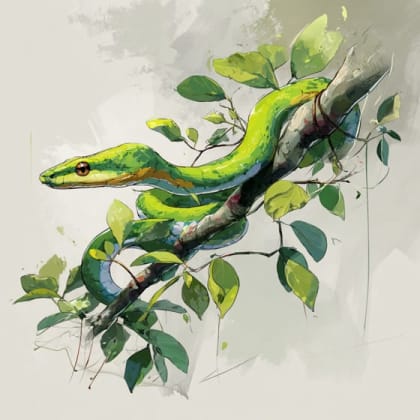
Eastern Diamondback Rattlesnake
Crotalus adamanteus
The Eastern Diamondback Rattlesnake is a big snake known for its diamond-shaped patterns on its back. It makes a rattling sound with its tail when it feels threatened.
Habitat: Dry, sandy areas and forests.
The Eastern Diamondback Rattlesnake is North America's largest venomous snake, featuring a heavy body with a striking pattern of dark diamonds outlined in light-colored scales on a brown, tan, or gray background. It has a distinctive rattle on its tail and pale yellow undersides.
Category
ReptilesRarity
Rare
Danger
5/5 · Extreme
Snaps
Be the first to snap!
Its impressive rattle is made of keratin, the same material as your fingernails!
Newborn diamondbacks are instantly dangerous, born with full fangs and potent venom!
They can survive for weeks without food after a big meal, thanks to their slow metabolism!
This snake's bite delivers the most venom of any North American snake!
Eastern Diamondback Rattlesnake has a keratin rattle on its tail that helps them warn off predators.
Eastern Diamondback Rattlesnake can deliver potent venom through hinged fangs that helps them overpower prey quickly.
Eastern Diamondback Rattlesnake has special heat-sensing pits that help them locate warm-blooded prey in darkness.
Eastern Diamondback Rattlesnake has diamond patterns that help them blend perfectly into pine forest leaf litter.
This snake is a carnivore that ambushes and eats a variety of small mammals and birds.
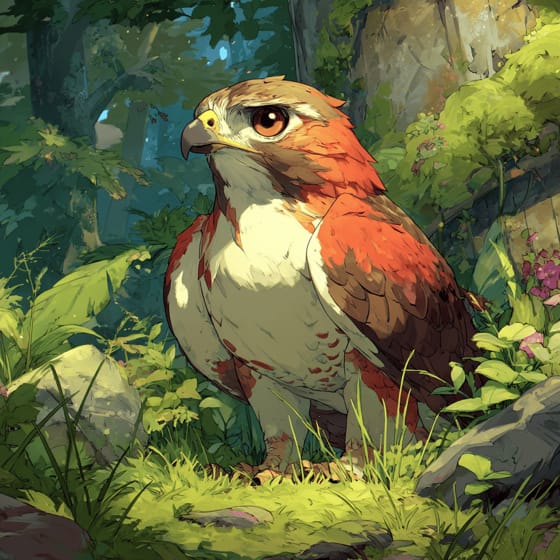
Buteo jamaicensis
Large birds of prey can hunt young snakes.
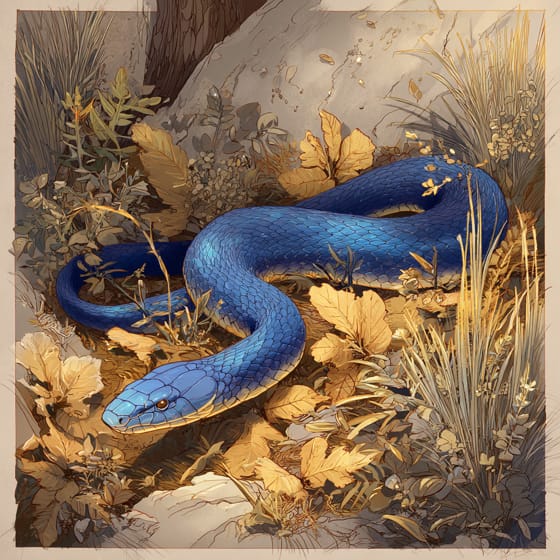
Drymarchon couperi
This non-venomous snake is a known predator.
Sigmodon hispidus
A common and important food source for the snake.
Sylvilagus floridanus
Juvenile rabbits are frequently prey for adults.
Wildlife encompasses all undomesticated animal and plant life existing in their natural habitats.
An ambush predator hunts by patiently waiting and concealing itself, then launching a sudden attack when unsuspecting prey comes within range.
This trait signifies organisms belonging to a very old evolutionary group with ancestors dating back millions of years.
Forest habitats are terrestrial environments dominated by dense tree cover, supporting a high diversity of plant and animal life.

This trait identifies organisms whose diet consists entirely or primarily of animal tissue.

Nocturnal animals are primarily active during the nighttime hours, typically resting or sleeping during the day.

Venomous organisms produce toxins that are injected into another animal, typically through a bite or sting.
Danger
5/5 · Extreme
Look but don’t touch. Keep a safe distance and wash hands after exploring.
100-180 cm
2-5 kg
10-20 years
5 km/h
This snake is a carnivore that ambushes and eats a variety of small mammals and birds.
1 km/h
Dry, sandy areas and forests.
Ambush
Zoom in to split clusters and explore where this object has been snapped.
Recent snaps will appear here as new observations are added.