Rough Green Snake
Opheodrys aestivus
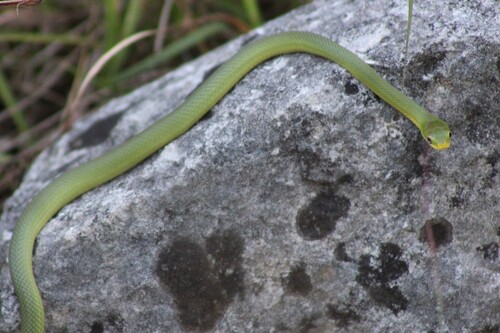
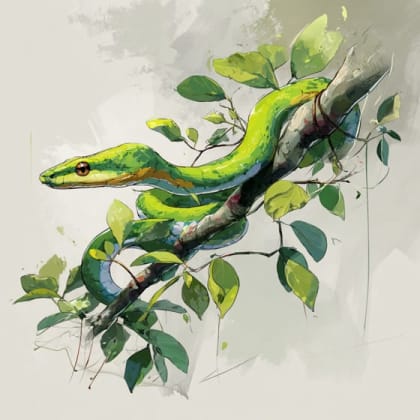
Rough Green Snakes are slender and bright green! They are excellent at climbing and love to hide in trees.
Habitat: Woodlands and gardens
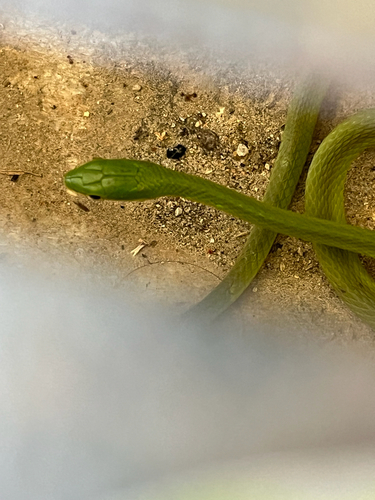
The Rough Green Snake is a slender, vibrant emerald green snake with a bright yellow or cream-colored belly. Its distinguishing feature is its keeled scales, giving it a slightly rough, textured appearance that helps it blend into foliage.
Category
ReptilesRarity
Common
Danger
2/5 · Low
Snaps
27
Despite their 'rough' name, they are gentle and rarely bite!
Rough Green Snakes are so slender, they are sometimes called 'vine snakes'!
They hunt with head raised, scanning for prey like a tiny periscope!
When stressed, their green skin can temporarily dull to brown or black!
Rough Green Snake has a lightweight body and prehensile tail that helps them deftly navigate branches and twigs.
Rough Green Snake can accurately snatch flying and crawling insects because of its quick strikes and specialized vision.
They mainly feast on small insects and arthropods, helping control garden pests!
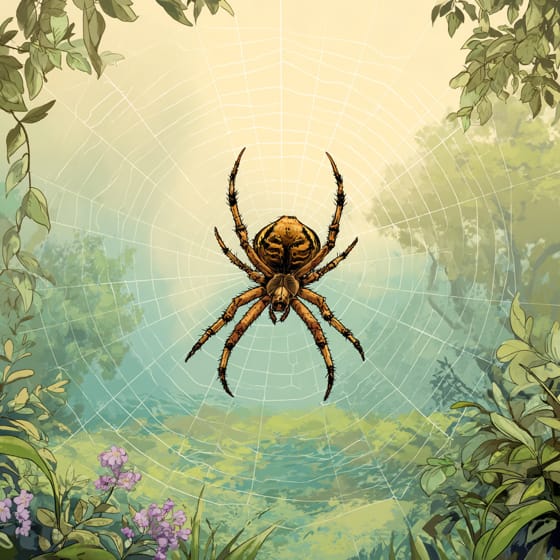
Argiope aurantia
A primary food source in its arboreal habitat.
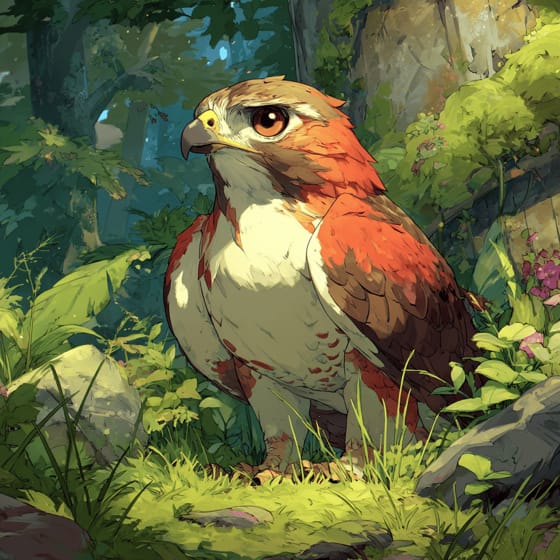
Buteo jamaicensis
Vigilant raptors often prey on camouflaged snakes.

Coluber constrictor
Larger, faster snakes will occasionally consume them.

Gryllus pennsylvanicus
A common and abundant insect prey item.
Wildlife encompasses all undomesticated animal and plant life existing in their natural habitats.
Arboreal animals live primarily in trees, utilizing them for shelter, food, and protection from predators.
This trait identifies organisms whose diet primarily consists of insects and other small invertebrates.
Forest habitats are terrestrial environments dominated by dense tree cover, supporting a high diversity of plant and animal life.

This trait characterizes organisms with an exceptionally long lifespan compared to others of their kind.
Danger
2/5 · Low
Look but don’t touch. Keep a safe distance and wash hands after exploring.
The easiest way to identify Rough Green Snake is to use the Snappit nature identifier app.
55-80 cm
0.01-0.025 kg
5-8 years
3 km/h
They mainly feast on small insects and arthropods, helping control garden pests!
Woodlands and gardens
Foraging
Zoom in to split clusters and explore where this object has been snapped.
May 28, 2026
Lost Maples State Natural AreaPhoto attribution
(c) Matt D'Agrosa, some rights reserved (CC BY)
License: CC BY 4.0 ↗
Image may be shown cropped inside the card frame.
May 15, 2026
Flint RiverQuariumPhoto attribution
(c) Lexa, some rights reserved (CC BY)
License: CC BY 4.0 ↗
Image may be shown cropped inside the card frame.

South Carolina, US
You might spot American Alligator, Anole, and Great Blue Heron.
View guide →

Alabama, US
You might spot Anole, Eastern Box Turtle, and Resurrection Fern.
View guide →

Texas, US
You might spot Brown Anole, Gulf Fritillary, and Pond Slider.
View guide →
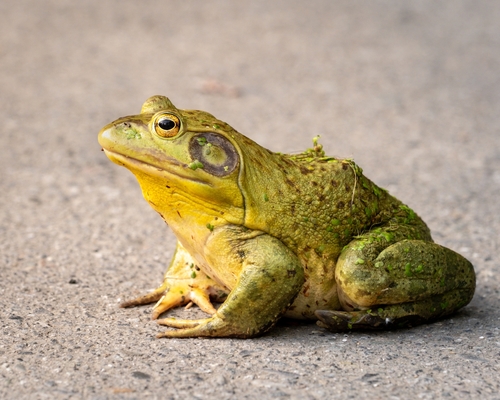
Virginia, US
You might spot American Bullfrog, Snapping Turtle, and Great Blue Heron.
View guide →

South Carolina, US
You might spot American Alligator, Great Blue Heron, and Anhinga.
View guide →

Oklahoma, US
You might spot Monarch, American Bumble Bee, and Gulf Fritillary.
View guide →
Take the discovery with you
Snap it with Snappit to identify it, learn what makes it special, and add the discovery to your collection.