






Asp Viper
Vipera aspis
The Asp Viper is a small but fascinating snake that has a unique look! They are often found hiding in rocks.
Habitat: Rocky areas and dry grasslands
The Asp Viper has a stocky body with a broad, triangular head and a distinctly upturned snout. Its skin patterns vary greatly, often featuring shades of grey, brown, or red, with dark zigzag or rhomboid markings that help it blend into rocky terrain.
Category
ReptilesRarity
Rare
Danger
5/5 · Extreme
Snaps
Be the first to snap!
Baby Asp Vipers are born alive, not hatched from eggs!
Its fangs are like tiny, hollow needles that fold back when not in use!
Some Asp Vipers have a special 'horn' made of scales on their nose!
They can 'smell' with their tongue by flicking it to gather scents!
Asp Viper has varied skin patterns and colors that help them disappear seamlessly into rocky and grassy environments.
Asp Viper can remain perfectly still for long periods because this allows them to surprise unsuspecting prey.
This venomous snake hunts and eats small mammals, birds, and lizards using its powerful bite.
Age differences: Young Asp Vipers primarily feed on lizards and small invertebrates before moving to larger prey.
Circaetus gallicus
A specialized bird of prey that hunts snakes.
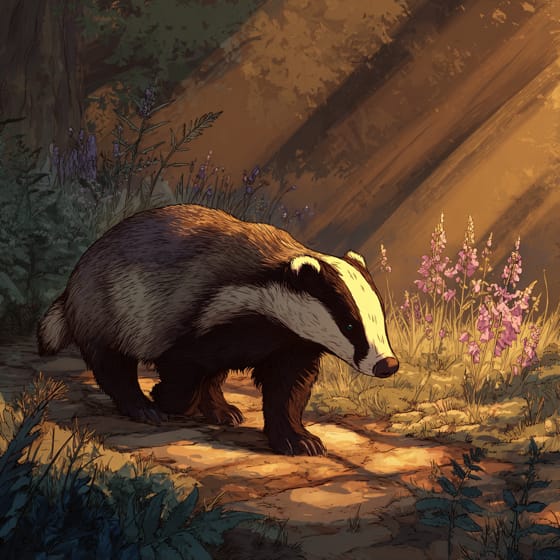
Meles meles
Opportunistically preys on snakes found on the ground or in burrows.
Apodemus sylvaticus
A common small mammal prey in its natural habitat.
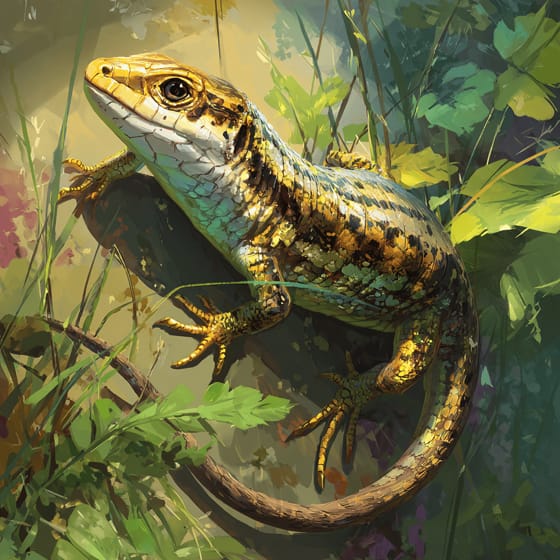
Podarcis muralis
A frequent reptile prey, particularly for younger individuals.
Wildlife encompasses all undomesticated animal and plant life existing in their natural habitats.
Solitary animals live alone for most of their lives, only interacting with others for mating or parental care.
Camouflaged describes organisms that possess coloring or patterns that allow them to blend into their environment.
Colorful describes organisms or objects displaying a wide range of bright and distinct colors.

This trait identifies organisms whose diet consists entirely or primarily of animal tissue.

Nocturnal animals are primarily active during the nighttime hours, typically resting or sleeping during the day.

Venomous organisms produce toxins that are injected into another animal, typically through a bite or sting.
Danger
5/5 · Extreme
Look but don’t touch. Keep a safe distance and wash hands after exploring.
60-90 cm
0.15-0.3 kg
15-20 years
2 km/h
This venomous snake hunts and eats small mammals, birds, and lizards using its powerful bite.
Rocky areas and dry grasslands
Ambush
4-12
Zoom in to split clusters and explore where this object has been snapped.
Recent snaps will appear here as new observations are added.






















