





Common Wall Lizard
Podarcis muralis
The Common Wall Lizard is a small lizard that loves to bask in the sun. It has a long, slender body and can change color based on its surroundings.
Habitat: Walls, rocks, and gardens.
The Common Wall Lizard has a slender body, often with a flattened appearance, and ranges from brown to grey or greenish. It typically features dark spots or a net-like pattern, often with two faint light stripes down its back, making it blend seamlessly with rocky or urban surfaces.
Category
ReptilesRarity
Common
Danger
2/5 · Low
Snaps
67
Some wall lizards thrive in bustling cities, living right alongside people in gardens!
These speedy lizards can shed and regrow their tails if a predator grabs them!
They use their excellent eyesight to spot tiny insect snacks from far away.
Wall lizards love to sunbathe on rocks to warm up and get energy for their day.
Common Wall Lizards can drop their tail when grabbed, which wriggles to distract predators while they escape.
Common Wall Lizards have specially adapted toes to grip rough surfaces, allowing them to climb walls and rocks with ease.
Their varied skin patterns and colors help them camouflage perfectly into rocky or urban environments.
They mostly munch on tiny insects and other small critters found on walls and rocks.

Felis catus
Common predator in gardens.

Pica pica
Birds often prey on lizards.
Formica rufa
Lizards eat many insect species.
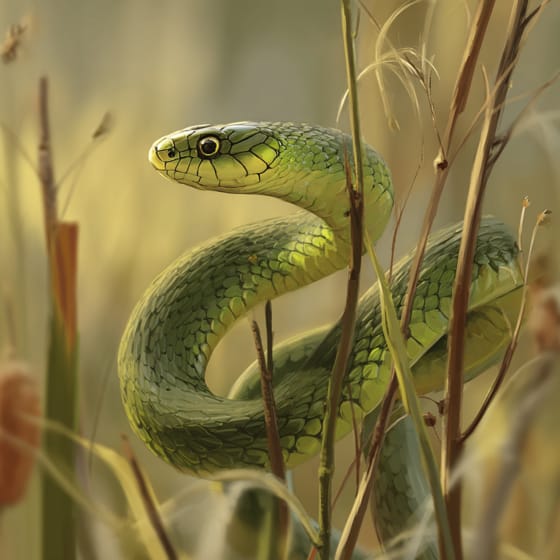
Natrix natrix
Snakes are natural predators.
Wildlife encompasses all undomesticated animal and plant life existing in their natural habitats.
Camouflaged describes organisms that possess coloring or patterns that allow them to blend into their environment.
This trait identifies organisms whose diet primarily consists of insects and other small invertebrates.
This trait signifies organisms belonging to a very old evolutionary group with ancestors dating back millions of years.

Diurnal animals are primarily active during daylight hours, typically resting or sleeping at night.

This trait identifies organisms that exhibit exceptional swiftness in movement for hunting, escape, or travel.

This habitat trait indicates species that can coexist with humans in urban and suburban environments, utilizing man-made structures and green spaces.
Danger
2/5 · Low
Look but don’t touch. Keep a safe distance and wash hands after exploring.
The easiest way to identify Common Wall Lizard is to use the Snappit nature identifier app.
15-20 cm
0.005-0.02 kg
5-7 years
18 km/h
They mostly munch on tiny insects and other small critters found on walls and rocks.
Walls, rocks, and gardens.
Ambush
Zoom in to split clusters and explore where this object has been snapped.

North Rhine-Westphalia, DE
You might spot Giant Anteaters, Angolan Giraffe, and Giant Otter.
View guide →

Grand Est, FR
You might spot African Elephant, White Rhinoceros, and Giraffes.
View guide →

Ohio, US
You might spot Brown-Belted Bumble Bee and Eastern Carpenter Bee.
View guide →

Ohio, US
You might spot Brown-Belted Bumble Bee and Eastern Carpenter Bee.
View guide →
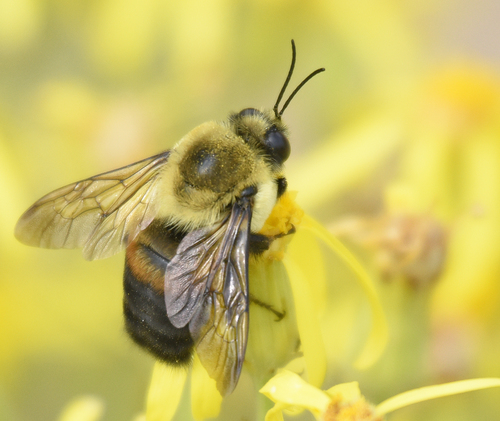
Ohio, US
You might spot Brown-Belted Bumble Bee and Eastern Carpenter Bee.
View guide →

Kentucky, US
You might spot Canada Goose, Common Wall Lizard, and Monarch.
View guide →
Take the discovery with you
Snap it with Snappit to identify it, learn what makes it special, and add the discovery to your collection.















