Blue Spotted Stingray
Dasyatis kuhlii
Blue Spotted Stingrays are known for their bright blue spots! They are small and love to stay close to the ocean floor.
Habitat: Coral reefs
The Blue Spotted Stingray has a flat, oval-shaped disc, typically yellow-brown, covered in striking bright blue spots. Its long tail bears a dark band and usually two venomous spines, making it visually distinct from most other rays.
Category
FishRarity
Common
Danger
2/5 · Low
Snaps
Be the first to snap!
Even though they live in the ocean, stingrays are closely related to sharks!
Their blue spots are like fingerprints; no two stingrays have the exact same pattern!
They breathe by sucking water through holes behind their eyes, not their mouths!
They have eyes on top of their head, but their mouth is on their underside!
Blue Spotted Stingray has two sharp, venomous spines on its tail that help them defend against predators.
Blue Spotted Stingray can bury itself under sand, using its flattened body to blend in perfectly with the seafloor.
Blue Spotted Stingray has special electroreceptors that help them detect tiny prey hidden under the sand.
These small hunters use clever senses to find delicious crustaceans and worms buried in the sand.
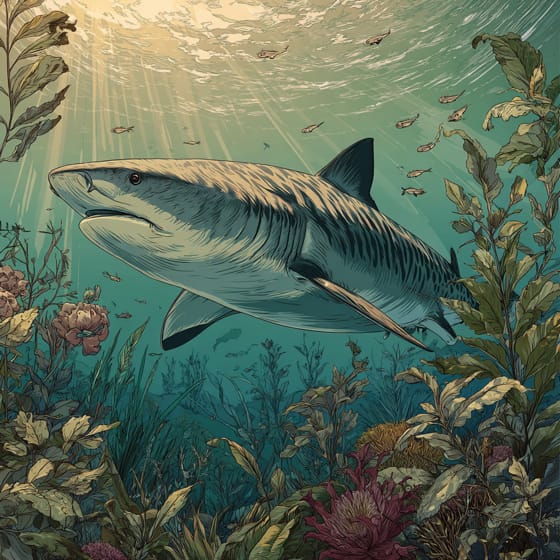
Galeocerdo cuvier
Larger sharks prey on stingrays.
Carcharhinus amblyrhynchos
Sharks are a natural predator.
Penaeus monodon
Actively searches for crustaceans.
Sipuncula nudus
Digs for worms in sand.
Wildlife encompasses all undomesticated animal and plant life existing in their natural habitats.
Marked with spots or patches of a different color.
Piscivorous organisms are animals that primarily subsist on a diet of fish.
Aquatic habitats encompass environments where organisms live predominantly in water, including oceans, rivers, lakes, and wetlands.

Marine habitats encompass all saltwater environments of the Earth's oceans, supporting an immense diversity of aquatic life.

Nocturnal animals are primarily active during the nighttime hours, typically resting or sleeping during the day.
Danger
2/5 · Low
Watch quietly from a distance and never try to feed or chase wild animals.
25-70 cm
0.5-1.5 kg
10-15 years
These small hunters use clever senses to find delicious crustaceans and worms buried in the sand.
5 km/h
Coral reefs
Foraging
90 m
Zoom in to split clusters and explore where this object has been snapped.
Recent snaps will appear here as new observations are added.