



Dinosaur Tooth
A dinosaur tooth is a special fossil that shows us what dinosaurs ate! Some teeth are sharp for meat, and some are flat for plants.
The Dinosaur Tooth is typically brown, black, or gray, often with a smooth, stony texture from fossilization. Its shape varies greatly, from conical and serrated for tearing meat to leaf-shaped or flattened for grinding plants. Distinctive wear patterns or preserved root structures can often be seen.
Category
AncientRarity
Epic
Danger
1/5 · Very low
Snaps
Be the first to snap!
A dinosaur's tooth shape instantly tells scientists if it was a meat-eater or plant-eater.
Fossilized teeth can have microscopic scratches that show exactly what a dinosaur last ate!
Some dinosaurs grew new teeth every few weeks, like a conveyor belt!
The world's largest fossilized dinosaur tooth is over 12 inches long!
Dinosaur Tooth can rip through tough flesh because of its sharp, serrated edges, helping predators eat quickly.
Dinosaur Tooth has flat, ridged surfaces that help grind fibrous plants, allowing herbivores to digest tough leaves.
Dinosaur Tooth can be replaced constantly throughout life, ensuring dinosaurs always had sharp, strong teeth.
Dinosaur Tooth has ancient enamel and roots that preserve clues about dinosaur diets, size, and health for scientists.
A dinosaur's tooth shape reveals if it crunched plants, tore meat, or was an omnivore!
Tyrannosaurus rex
Used teeth to grasp, crush, and tear prey.
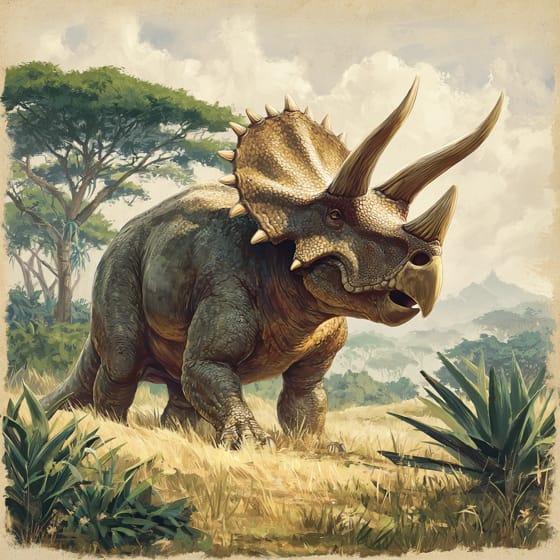
Triceratops horridus
Provided sustenance for large theropod predators.
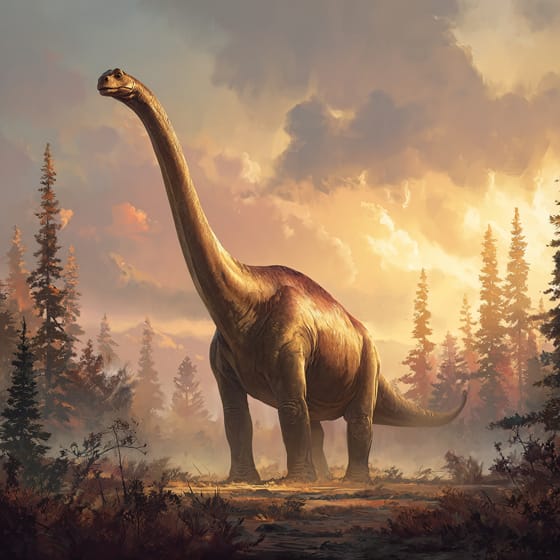
Brachiosaurus altithorax
Used broad, spatulate teeth to strip foliage.
Maiasaura peeblesorum
Had hundreds of teeth for grinding fibrous plants.
Colorful describes organisms or objects displaying a wide range of bright and distinct colors.
Ancient refers to organisms, objects, or geological formations that have existed for an extremely long period.
An artifact is an object made or modified by human culture, typically of historical or archaeological interest.
A fossil is the preserved remains or traces of an ancient organism embedded in rock or other geological deposits.

Giant describes organisms or objects of significantly larger size than average for their species or type.
No aliases listed yet.
Danger
1/5 · Very low
Explore with care and ask an adult if you're unsure what to do.
A dinosaur's tooth shape reveals if it crunched plants, tore meat, or was an omnivore!
Mesozoic
66
Zoom in to split clusters and explore where this object has been snapped.
Recent snaps will appear here as new observations are added.