



Hen of the Woods
Grifola
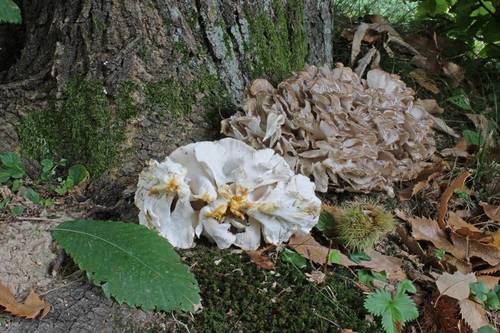
The Hen of the Woods is a fun mushroom that looks like a big, fluffy hen. It grows at the base of trees and is a tasty treat for some people!
Habitat: Around oak trees in forests
The Hen of the Woods has many wavy, overlapping, fan-shaped fronds that are creamy white underneath and grayish-brown on top, resembling a ruffled chicken or a pile of leaves. It grows in a large, intricate cluster at the base of trees, making it visually distinct from single-stemmed mushrooms.
Category
FungiRarity
Rare
Danger
1/5 · Very low
Snaps
Be the first to snap!
It can grow enormous, sometimes weighing as much as a small child!
Its unique shape provides shelter for tiny insects and critters on the forest floor!
Some clusters of Hen of the Woods can live and fruit for over 50 years!
This mushroom is often called 'Maitake' in Japan, meaning 'dancing mushroom'!
Hen of the Woods has an extensive underground mycelial network that helps them absorb nutrients from wood, fueling their large growth.
Hen of the Woods can reappear in the same spot for many years because its underground network is perennial, ensuring a yearly harvest.
Hen of the Woods actively breaks down dead hardwoods, recycling vital nutrients back into the forest soil.
Quercus rubra
Feeds on living and dead wood of oak trees.
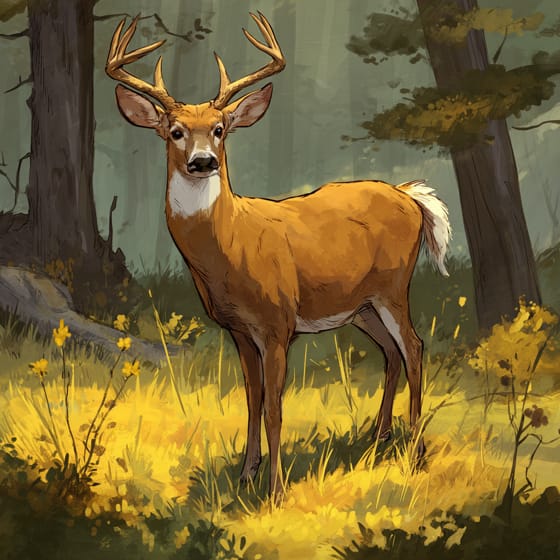
Odocoileus virginianus
Deer forage on its large, meaty fronds.
Arion lusitanicus
Slugs sometimes munch on its tender fronds.
Spore-producing organisms reproduce by releasing small, often single-celled, reproductive units called spores.
Edible plants are those parts of a plant that are considered safe for human consumption.
Fall color refers to the seasonal change in foliage pigmentation, primarily in deciduous plants, displaying vibrant hues.
Forest habitats are terrestrial environments dominated by dense tree cover, supporting a high diversity of plant and animal life.
Danger
1/5 · Very low
Do not pick or eat anything you find. Some plants and mushrooms can be harmful.
10-40 cm
edible
10-100 cm
Around oak trees in forests
wood
Fall
White
Zoom in to split clusters and explore where this object has been snapped.
Recent snaps will appear here as new observations are added.