Praying Mantis
Gryllus religiosus
Praying Mantises are cool insects that look like they are always praying! They are expert hunters and can turn their heads to look around.
Habitat: Gardens and forests
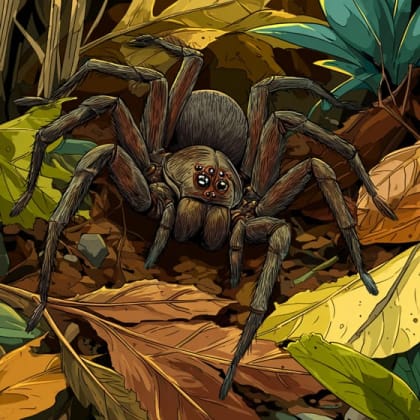
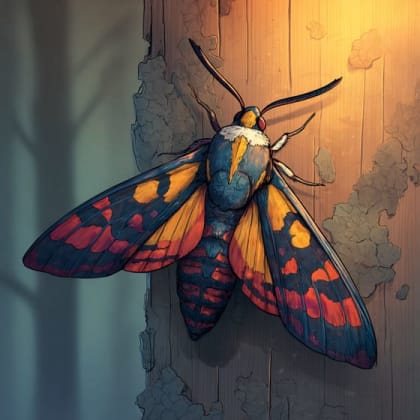
The Praying Mantis has a distinctive triangular head with large eyes and a long, slender body, often green or brown. Its most unique feature is its pair of large, spiky front legs held in a "praying" position.
Category
InsectsRarity
Common
Danger
2/5 · Low
Snaps
Be the first to snap!
Some mantises are so tiny they fit on your fingernail.
Their ears are on their belly, between their legs!
They can see in 3D, just like humans do.
They sometimes eat their mates after breeding!
Praying Mantis has incredible camouflage that helps them blend perfectly with plants, making them nearly invisible.
Praying Mantis can rotate its triangular head almost 180 degrees, allowing them to spot prey without moving.
A fierce hunter, the Praying Mantis eats many different insects to survive.
Age differences: Young mantises eat smaller insects like aphids; adults take on larger prey.
Musca domestica
Common insect prey for mantises.
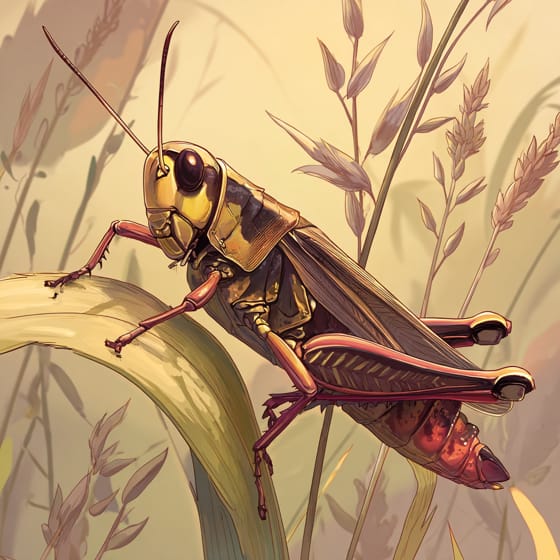
Chorthippus parallelus
A frequently caught meal for mantises.
Apis mellifera
Often caught at flowers by mantises.
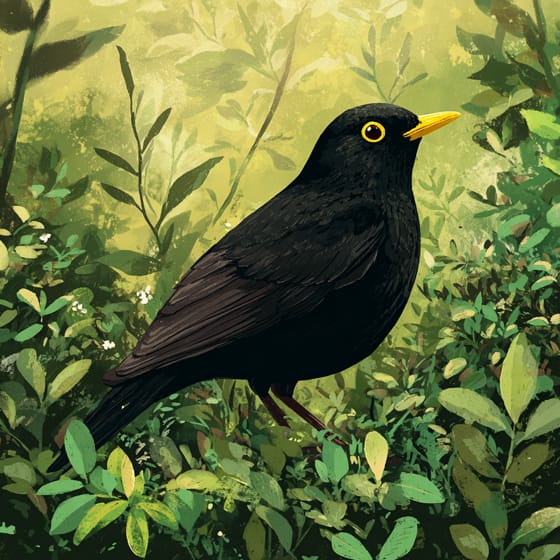
Turdus merula
Birds can prey on mantises.
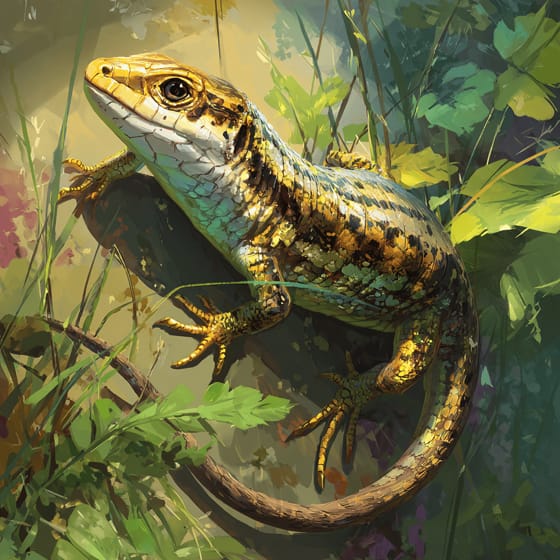
Podarcis muralis
Lizards are known predators.
Wildlife encompasses all undomesticated animal and plant life existing in their natural habitats.
Solitary animals live alone for most of their lives, only interacting with others for mating or parental care.
Arboreal animals live primarily in trees, utilizing them for shelter, food, and protection from predators.
Camouflaged describes organisms that possess coloring or patterns that allow them to blend into their environment.

An ambush predator hunts by patiently waiting and concealing itself, then launching a sudden attack when unsuspecting prey comes within range.

This trait signifies organisms belonging to a very old evolutionary group with ancestors dating back millions of years.

Forest habitats are terrestrial environments dominated by dense tree cover, supporting a high diversity of plant and animal life.

This trait identifies organisms whose diet consists entirely or primarily of animal tissue.
Danger
2/5 · Low
Do not touch or pick up. Some insects sting or bite. Ask an adult for help.
80-100 mm
50-90 mm
150-200 days
A fierce hunter, the Praying Mantis eats many different insects to survive.
Gardens and forests
Ambush
6
Zoom in to split clusters and explore where this object has been snapped.
Recent snaps will appear here as new observations are added.