Pilot Whale
Globicephala
Pilot whales are large, dark-colored dolphins that live in groups called pods. They are known for their close family bonds and unique communication sounds.
Habitat: Oceanic waters
The Pilot Whale has a sleek, robust body that is primarily dark grey to black, with a distinctive bulbous forehead. It often features a lighter grey or white 'saddle patch' behind its dorsal fin and an anchor-shaped white patch on its belly, making it visually unique among dolphins.
Category
MammalsRarity
Common
Danger
2/5 · Low
Snaps
Be the first to snap!
Pilot whales are actually giant oceanic dolphins, not 'true' whales, and are the second-largest dolphin species!
Pilot whales can hold their breath for over 10 minutes, diving hundreds of meters deep to find tasty snacks!
These super social whales live in family groups called pods, often staying with their birth family for life!
They got their name because old sailors thought they 'piloted' larger whales, guiding them across the sea!
Pilot Whales have powerful echolocation that helps them navigate, find prey, and communicate using sound waves in the dark ocean depths.
Pilot Whales can deep dive to over 600 meters because of their specialized bodies, helping them hunt squid and fish far below the surface.
Pilot Whales have strong family bonds because they live in tight-knit pods, helping them work together for hunting and protection.
Pilot whales love to eat squid, using their amazing diving skills to hunt them deep underwater.
Todarodes pacificus
Primary prey, hunted in deep waters using echolocation.
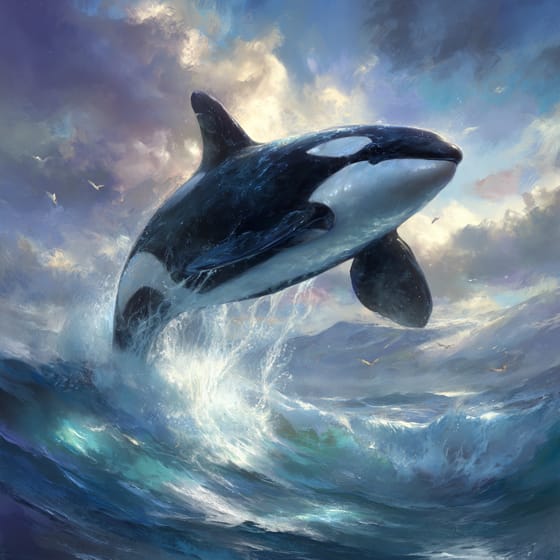
Orcinus orca
Apex predator that occasionally preys on pilot whale calves or sick individuals.
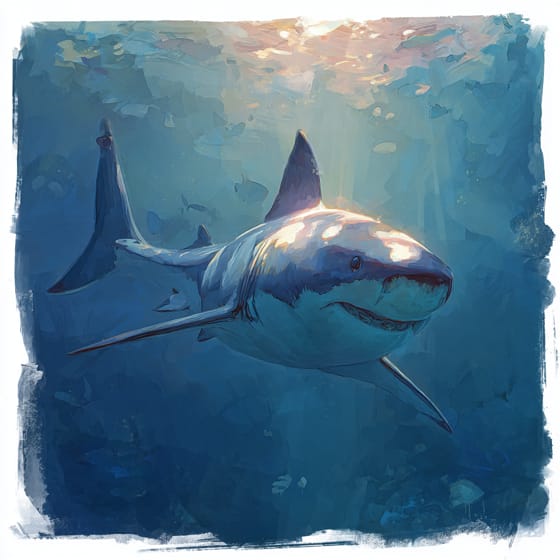
Carcharodon carcharias
Large sharks may opportunistically attack pilot whales, especially young or weak.
Wildlife encompasses all undomesticated animal and plant life existing in their natural habitats.
Furry describes animals possessing a dense covering of soft hair or fur.
Social animals live in organized groups, cooperating for survival benefits such as foraging, defense, and raising offspring.
Piscivorous organisms are animals that primarily subsist on a diet of fish.

Marine habitats encompass all saltwater environments of the Earth's oceans, supporting an immense diversity of aquatic life.
Danger
2/5 · Low
Always observe these whales from a safe distance and never approach them in the wild.
300-720 cm
1000-4500 kg
45-60 years
35 km/h
Pilot whales love to eat squid, using their amazing diving skills to hunt them deep underwater.
Oceanic waters
Pursuit
1
Zoom in to split clusters and explore where this object has been snapped.
Recent snaps will appear here as new observations are added.