





Wombat
Vombatus ursinus
Wombats are furry marsupials from Australia. They have strong claws for digging burrows and are excellent swimmers. Wombats are nocturnal, which means they are most active at night.
Habitat: Forests
The Wombat is a robust, barrel-shaped marsupial with short, powerful legs and a broad, flat head. It has small eyes and ears, and coarse fur ranging from sandy brown to dark grey, often appearing dusty.
Category
MammalsRarity
Common
Danger
2/5 · Low
Snaps
Be the first to snap!
A group of wombats is sometimes called a 'wisdom' or a 'mob.'
Some wombat burrows can be over 20 meters long with many rooms!
Wombat mothers can carry their young in their pouch for up to 10 months.
Wombats have continuously growing, rodent-like teeth, which helps them chew tough plants.
Wombat has an extra-thick plate of cartilage and bone on its backside, protecting it from predators attacking its rear burrow entrance.
Wombat has a backward-facing pouch, which helps keep dirt out when digging deep tunnels for its home.
Wombat has an excellent sense of smell that helps them locate tasty roots and tubers hidden underground.
These sturdy marsupials munch on grasses, roots, and herbs they find by foraging.

Sarcophilus harrisii
Tasmanian Devils hunt wombats in Tasmania.
Aquila audax
Large eagles may take young wombats as prey.
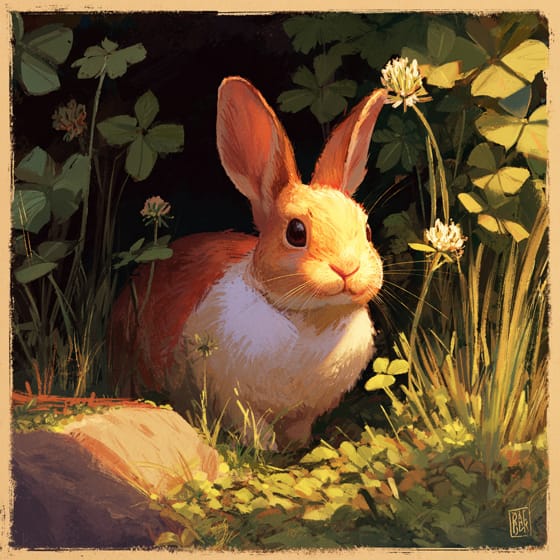
Oryctolagus cuniculus
Rabbits and other small mammals often use abandoned wombat burrows.
Wildlife encompasses all undomesticated animal and plant life existing in their natural habitats.
Furry describes animals possessing a dense covering of soft hair or fur.
Burrowing animals dig tunnels and chambers in the ground, using these subterranean structures for shelter, hunting, or breeding.
This trait characterizes organisms whose diet consists entirely or primarily of plant material.

Forest habitats are terrestrial environments dominated by dense tree cover, supporting a high diversity of plant and animal life.

This trait identifies organisms that exhibit exceptional swiftness in movement for hunting, escape, or travel.

Nocturnal animals are primarily active during the nighttime hours, typically resting or sleeping during the day.
No aliases listed yet.
Danger
2/5 · Low
Wombats are generally shy and avoid humans. Always observe them from a safe distance.
The easiest way to identify Wombat is to use the Snappit nature identifier app.
70-115 cm
15-35 kg
5-15 years
40 km/h
These sturdy marsupials munch on grasses, roots, and herbs they find by foraging.
Forests
Foraging
Zoom in to split clusters and explore where this object has been snapped.
Recent snaps will appear here as new observations are added.
Take the discovery with you
Snap it with Snappit to identify it, learn what makes it special, and add the discovery to your collection.




.jpg&width=800)


.JPG&width=800)

.jpg&width=800)
