





Orca
Orcinus orca
Orcas, also called killer whales, are powerful marine predators. They live in family groups called pods.
Habitat: Oceans around the world.
The Orca is a large, powerful dolphin with distinctive black and white markings. It has a sleek, torpedo-shaped body, a tall dorsal fin, and paddle-like flippers, easily recognized by the white patches above its eyes and on its belly.
Category
MammalsRarity
Rare
Danger
5/5 · Extreme
Snaps
17
Each pod speaks a unique 'dialect' of clicks and whistles.
Orcas are the ocean's largest dolphins, not whales!
Some pods specialize in hunting specific prey like great white sharks!
They use powerful tail slaps to stun prey or communicate.
Orca can use echolocation to navigate and hunt in dark or murky waters, because they emit sounds and interpret the echoes.
Orca use complex group strategies to catch large prey because of their strong social bonds that help them coordinate attacks.
Orca have distinct 'dialects' and hunting traditions within pods that help them pass on knowledge through generations.
Orcas are top predators, feasting on a wide variety of marine animals, from fish to other large mammals.
Zalophus californianus
Orcas frequently hunt these agile pinnipeds near coastlines.

Phoca vitulina
These seals are common prey for transient orca populations.
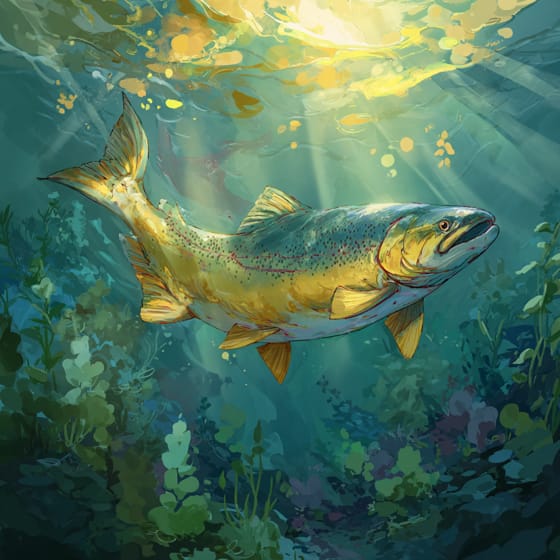
Oncorhynchus tshawytscha
Resident orca populations primarily eat this large, fatty fish.
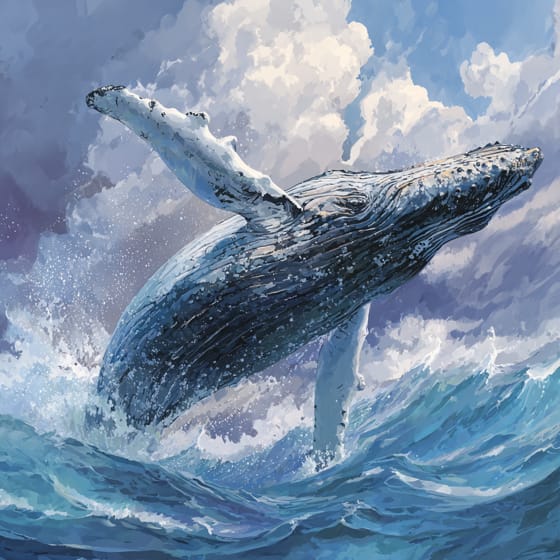
Megaptera novaeangliae
Some orca pods cooperatively hunt young humpback calves.
Wildlife encompasses all undomesticated animal and plant life existing in their natural habitats.
Furry describes animals possessing a dense covering of soft hair or fur.
Social animals live in organized groups, cooperating for survival benefits such as foraging, defense, and raising offspring.
Echolocation is a biological sonar used by animals to navigate, hunt, and communicate by emitting sound waves and interpreting the echoes.

This trait identifies organisms whose diet consists entirely or primarily of animal tissue.

Describes a species whose presence and role have a disproportionately large effect on its environment.

Aquatic habitats encompass environments where organisms live predominantly in water, including oceans, rivers, lakes, and wetlands.

Marine habitats encompass all saltwater environments of the Earth's oceans, supporting an immense diversity of aquatic life.
Danger
5/5 · Extreme
Wild orcas are dangerous — never approach.
The easiest way to identify Orca is to use the Snappit nature identifier app.
500-900 cm
2000-6000 kg
50-90 years
56 km/h
Orcas are top predators, feasting on a wide variety of marine animals, from fish to other large mammals.
Oceans around the world.
Pursuit
Zoom in to split clusters and explore where this object has been snapped.

California, US
You might spot Orca, Bottlenose Dolphin, and Beluga Whale.
View guide →

Canary Islands, ES
You might spot Orca, King Penguin, and Macaroni Penguin.
View guide →
California, US
You might spot Orca, Bottlenose Dolphin, and Sea Lion.
View guide →

US
You might spot Humpback Whale, Steller Sea Lion, and Orca.
View guide →

Florida, US
You might spot Orca, Bottlenose Dolphin, and Penguin.
View guide →
Florida, US
You might spot Orca, Bottlenose Dolphin, and Great White Shark.
View guide →
Take the discovery with you
Snap it with Snappit to identify it, learn what makes it special, and add the discovery to your collection.






.jpg&width=800)



.JPG&width=800)



.jpg&width=800)
