



Stag Beetle
Lucanus cervus
The Stag Beetle is a strong beetle known for its large jaws that look like antlers! It's a cool beetle to find in the garden.
Habitat: Forests and gardens
The Stag Beetle is a large, robust insect, typically reddish-brown to black. Males are easily identified by their impressively oversized, antler-like mandibles, which are much larger than those of the smaller females.
Category
InsectsRarity
Common
Danger
2/5 · Low
Snaps
Be the first to snap!
Adult stag beetles enjoy a sweet treat of tree sap, often drinking it upside down.
Sometimes, they pretend to be dead if they feel threatened, lying motionless on their backs!
Stag beetle larvae spend up to seven years growing underground, feasting on dead wood!
Their giant "antlers" are actually mandibles, used by males to wrestle rivals!
Stag Beetles can engage in wrestling matches using their huge mandibles to impress females and compete with rivals.
Stag Beetle larvae have powerful jaws that help them chew through and decompose dead wood, returning nutrients to the soil.
Stag Beetles spend many years developing as larvae underground, undergoing a complete metamorphosis to emerge as adults.
Larvae munch on decaying wood, while adults sip sweet tree sap and fruit juices.
Age differences: Larvae feed exclusively on decaying wood; adults do not eat solid food but drink tree sap and fruit juices.
Picus viridis
Green woodpeckers can dig out and feed on stag beetle larvae.
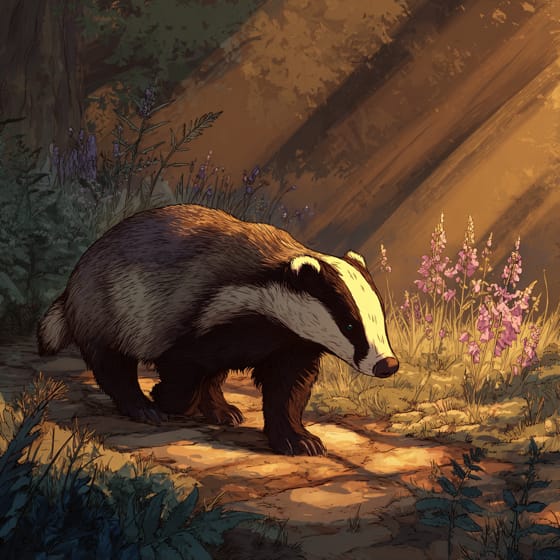
Meles meles
Badgers are known predators, digging up larvae from their wooden homes.
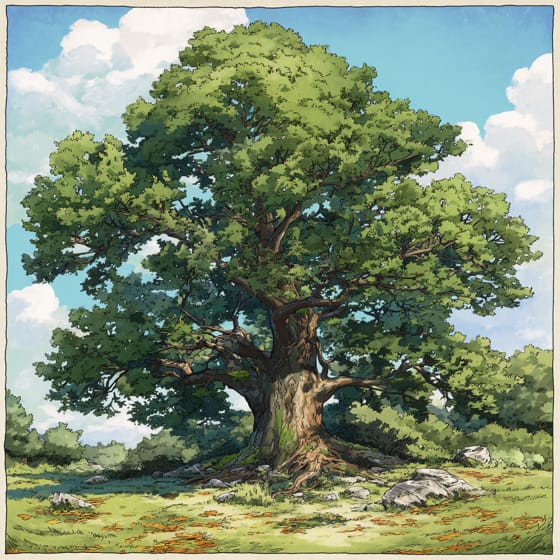
Quercus robur
Stag beetle larvae thrive by eating the rotting wood of this and other deciduous trees.
Plecotus auritus
This bat hunts flying adult stag beetles during their evening flights.
Antlered describes animals possessing antlers, which are bony, branching growths found predominantly on male deer and related species.
Colorful describes organisms or objects displaying a wide range of bright and distinct colors.
This trait characterizes organisms whose diet consists entirely or primarily of plant material.
Forest habitats are terrestrial environments dominated by dense tree cover, supporting a high diversity of plant and animal life.

Armored describes animals protected by a hard, external covering or shell for defense.

This habitat trait indicates species that can coexist with humans in urban and suburban environments, utilizing man-made structures and green spaces.

Nocturnal animals are primarily active during the nighttime hours, typically resting or sleeping during the day.

Describes organisms that transfer pollen, enabling the fertilization and reproduction of plants.
Danger
2/5 · Low
Do not touch or pick up. Some insects sting or bite. Ask an adult for help.
60-120 mm
30-75 mm
30-90 days
5-10 km/h
Larvae munch on decaying wood, while adults sip sweet tree sap and fruit juices.
Forests and gardens
Foraging
6
Zoom in to split clusters and explore where this object has been snapped.
Recent snaps will appear here as new observations are added.