





Cave Cricket
Dolichopoda giulianae Rampini & Di
Cave crickets are small insects that live in dark, damp places like caves and basements. They have long antennae and strong hind legs for jumping around.
Habitat: Caves
The Cave Cricket has a distinctly humped back and long, powerful hind legs perfect for jumping. It is usually mottled brown or grey, blending into dark environments, and lacks wings, unlike most crickets.
Category
InsectsRarity
Common
Danger
2/5 · Low
Snaps
Be the first to snap!
Cave crickets are sometimes called 'camel crickets' for their distinct humped backs!
Their feelers are so long they can be over twice the length of their body!
They use their amazing jumping skills to escape danger in a flash!
Unlike most crickets, they never chirp or make sounds to communicate!
Cave Cricket can jump incredibly high and far using its powerful hind legs to escape predators quickly.
Cave Cricket has extremely long antennae, often twice its body length, to 'feel' its way and find food in pitch-black environments.
Cave Cricket does not chirp or sing like other crickets, allowing it to move stealthily and avoid detection.
These omnivorous scavengers munch on decaying plants, fungi, and even dead insects in their dark homes.
Tegenaria domestica
Spiders are a common predator of cave crickets in homes and caves.
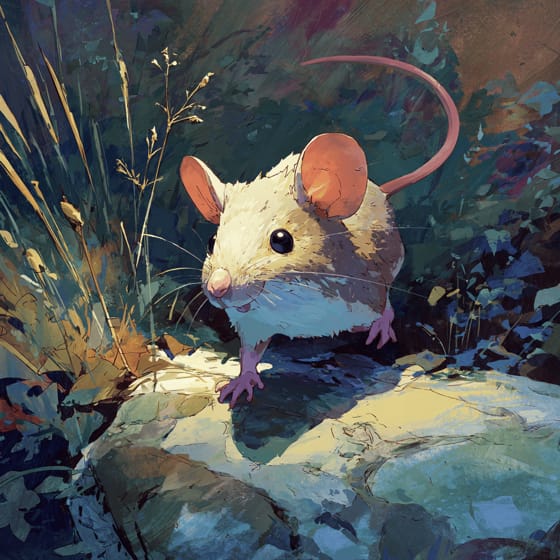
Mus musculus
Mice will prey on crickets they encounter in dark, enclosed spaces.
Myotis myotis
Bats are active predators of crickets within cave ecosystems.
Aspergillus niger
Cave crickets forage on various types of fungi and molds.
Wildlife encompasses all undomesticated animal and plant life existing in their natural habitats.
Cave dwelling describes organisms specifically adapted to live in underground cave systems, often exhibiting specialized traits due to lack of light.
This trait characterizes organisms whose diet consists entirely or primarily of plant material.
This trait identifies organisms whose diet primarily consists of insects and other small invertebrates.

Nocturnal animals are primarily active during the nighttime hours, typically resting or sleeping during the day.
Danger
2/5 · Low
If you see a cave cricket, it's best to observe them from a distance and not touch them.
The easiest way to identify Cave Cricket is to use the Snappit nature identifier app.
10-40 mm
365-730 days
These omnivorous scavengers munch on decaying plants, fungi, and even dead insects in their dark homes.
Caves
Foraging
6
Zoom in to split clusters and explore where this object has been snapped.
Recent snaps will appear here as new observations are added.
Take the discovery with you
Snap it with Snappit to identify it, learn what makes it special, and add the discovery to your collection.








.jpg&width=800)




