Hydrangea Bush
Hydrangea spp.
Hydrangea Bushes are famous for their big, fluffy flowers that can change color! They bloom in summer and come in many colors.
Habitat: Gardens and woodlands
The Hydrangea Bush has large, rounded or flat-topped clusters of flowers that come in white, pink, blue, or purple hues, often changing color with soil pH. Its broad, serrated green leaves provide a lush backdrop to the vibrant, showy blooms, making it visually distinct from many common garden shrubs.
Category
PlantsRarity
Common
Danger
1/5 · Very low
Snaps
Be the first to snap!
Some amazing hydrangeas can bloom all winter long, adding beautiful color to snowy gardens!
The name 'Hydrangea' comes from Greek words meaning 'water vessel' because of its cup-shaped seed pods!
There are over 75 different species of hydrangeas found all around the world!
You can easily dry hydrangea flowers, and they will keep their beautiful shapes and colors for years!
Hydrangea Bush can change its flower color based on the soil's acidity, helping it adapt to different environments.
Hydrangea Bush has large, showy flower clusters that attract many insects, helping it to reproduce.
Hydrangea Bush contains mild toxins in its leaves and stems that help to deter hungry herbivores.
Apis mellifera
collects nectar and pollen
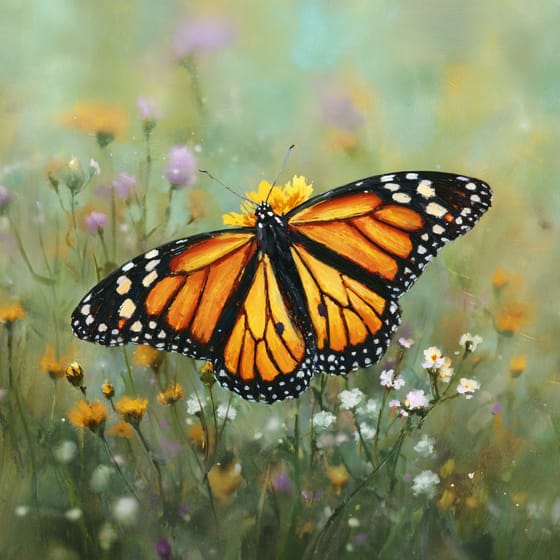
Danaus plexippus
visits flowers for nectar
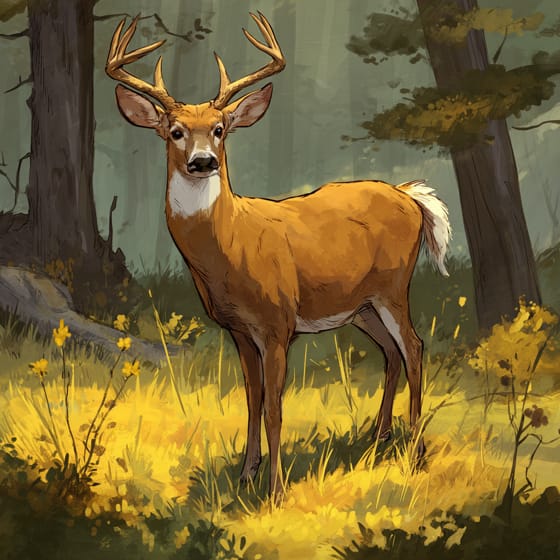
Odocoileus virginianus
browses on leaves and stems
Deciduous plants periodically shed all their leaves, typically during autumn or dry seasons.
Ornamental plants are cultivated primarily for their aesthetic appeal, enhancing landscapes and gardens with their attractive foliage, flowers, or form.
Cluster flowers are inflorescences where individual flowers are arranged closely together on a common stem.
A shrub is a woody plant smaller than a tree, typically with multiple stems branching from or near the ground.

Summer blooming plants produce their flowers during the summer season, often providing vibrant color when many other plants have finished.

Fragrant flowers emit a pleasant aroma, often to attract pollinators or for defense.

Colorful describes organisms or objects displaying a wide range of bright and distinct colors.
No aliases listed yet.
Danger
1/5 · Very low
Explore with care and ask an adult if you’re unsure what to do.
100-300 cm
100-250 cm
1-3 cm
Summer to fall
No
Mild
Perennial
Insect
Zoom in to split clusters and explore where this object has been snapped.
Recent snaps will appear here as new observations are added.