


Nilgai
Boselaphus tragocamelus
The Nilgai is a large antelope found in India and Nepal. It has a bluish-gray coat and long, pointed ears. Nilgais are skilled jumpers and can run very fast when needed.
Habitat: Grasslands
The Nilgai is the largest Asian antelope; males have a striking blue-grey coat, while females and young are tan to brownish. Males have short, conical horns and a shaggy mane on their neck, which differentiates them from females and other antelopes.
Category
MammalsRarity
Common
Danger
2/5 · Low
Snaps
Be the first to snap!
Baby Nilgai stand and walk within minutes of their birth. Wow!
Males often kneel on their front legs during fierce fights over territory!
Nilgai can gallop up to 30 miles per hour, making them surprisingly fast!
Their name “Nilgai” means “blue cow” in Hindi, describing the male's striking color!
Nilgai has a dull coat that helps them blend perfectly into dry grasslands, making them hard to spot by predators.
Nilgai can detect danger from far away because of their excellent eyesight and keen sense of smell, allowing them to escape quickly.
Nilgai can leap over fences and obstacles because of their strong legs, allowing them to move through varied terrains with ease.
Nilgai can survive in harsh conditions because of their ability to eat a wide variety of tough plants, helping them find food.
These big antelopes munch on grasses, leaves, and fruits, keeping the plants trimmed!
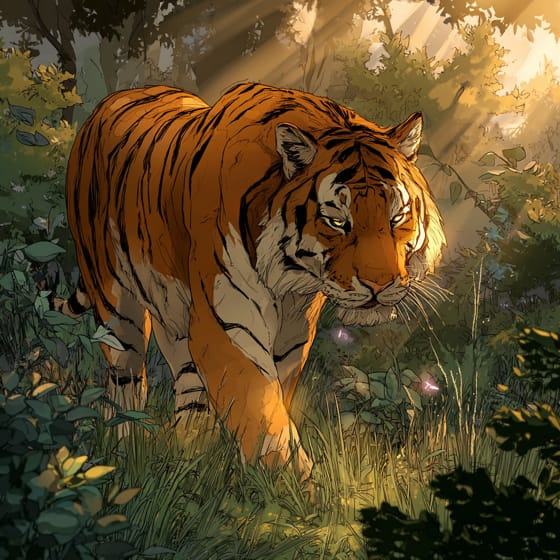
Panthera tigris
Adult Nilgai are a major prey item for tigers in their habitat.
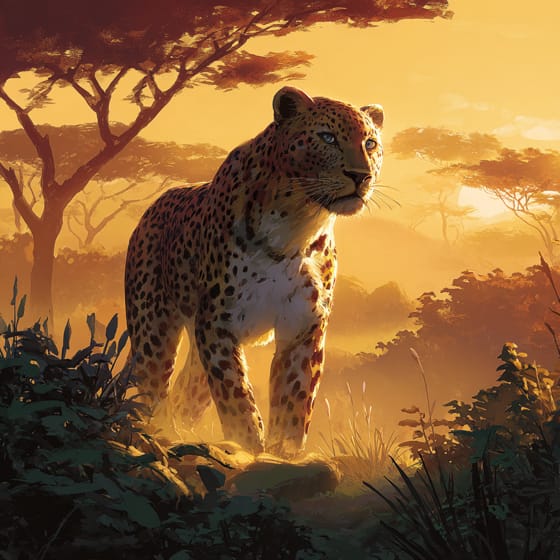
Panthera pardus
Young and injured Nilgai can be preyed upon by agile leopards.
Cuon alpinus
Packs of dholes can effectively hunt and take down Nilgai.
Furry describes animals possessing a dense covering of soft hair or fur.
Social animals live in organized groups, cooperating for survival benefits such as foraging, defense, and raising offspring.
Characterized by having one or more hard, permanent, pointed projections on the head.
Grassland habitats are terrestrial biomes dominated by grasses and herbaceous plants, supporting a variety of grazing animals.

This trait characterizes organisms whose diet consists entirely or primarily of plant material.

This trait signifies organisms belonging to a very old evolutionary group with ancestors dating back millions of years.

Diurnal animals are primarily active during daylight hours, typically resting or sleeping at night.

This trait identifies organisms that exhibit exceptional swiftness in movement for hunting, escape, or travel.
Danger
2/5 · Low
Admire Nilgais from a safe distance and avoid approaching them in the wild.
180-260 cm
120-300 kg
10-12 years
48 km/h
These big antelopes munch on grasses, leaves, and fruits, keeping the plants trimmed!
Grasslands
Grazing
1-2
Zoom in to split clusters and explore where this object has been snapped.
Recent snaps will appear here as new observations are added.