





Tiger
Panthera tigris
Tigers are the largest cats in the world with striking orange and black stripes.
Habitat: Forests, grasslands, and swamps in Asia.
The Tiger is a magnificent large cat, famous for its striking orange-brown coat adorned with bold, vertical black stripes. It has a white belly and white markings around its eyes and muzzle, making each individual's pattern unique.
Category
MammalsRarity
Rare
Danger
5/5 · Extreme
Snaps
Be the first to snap!
A group of tigers is called an 'ambush' or a 'streak'.
Their stripes are not just on their fur; their skin underneath is also striped!
Tiger cubs are born blind and completely helpless.
Tiger urine smells just like buttered popcorn!
Tiger can let out a mighty roar because of their strong vocal cords that helps them communicate across long distances.
Tiger has soft padded paws and striped camouflage that helps them stalk prey silently and blend into dense foliage.
Tiger has excellent night vision because of specialized eyes that helps them hunt effectively in low light conditions.
Tiger can swim powerfully because of their strong, muscular bodies that helps them cross rivers and cool down.
Tigers are expert hunters that eat other animals to stay strong and healthy.
Age differences: Young cubs learn to hunt from their mother, gradually shifting from milk to meat.
Axis axis
a primary food source in many habitats.
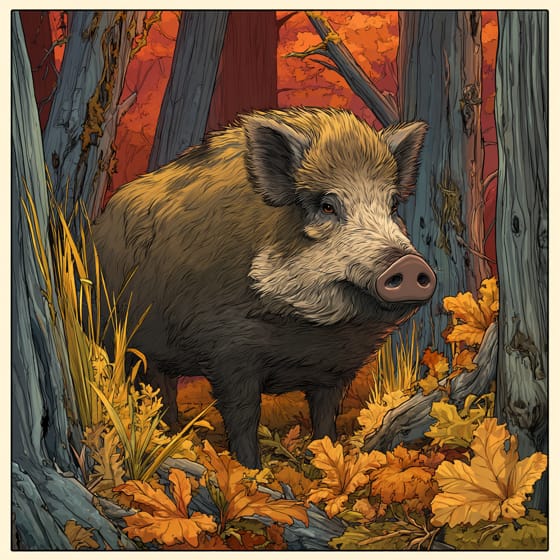
Sus scrofa
a common and significant prey item.
Cervus unicolor
one of their largest and most frequent deer prey.
Canis aureus
scavenges on leftovers from tiger hunts.
Furry describes animals possessing a dense covering of soft hair or fur.
Possessing prominent sensory hairs or vibrissae, often around the snout.
Marked with parallel bands or lines of color.
Solitary animals live alone for most of their lives, only interacting with others for mating or parental care.

An ambush predator hunts by patiently waiting and concealing itself, then launching a sudden attack when unsuspecting prey comes within range.

Forest habitats are terrestrial environments dominated by dense tree cover, supporting a high diversity of plant and animal life.

This trait identifies organisms whose diet consists entirely or primarily of animal tissue.

Protected status signifies a species or area is safeguarded by legal measures and conservation efforts to prevent harm or loss.
Danger
5/5 · Extreme
Extremely dangerous predator.
The easiest way to identify Tiger is to use the Snappit nature identifier app.
200-330 cm
100-300 kg
10-15 years
65 km/h
Tigers are expert hunters that eat other animals to stay strong and healthy.
Forests, grasslands, and swamps in Asia.
Ambush
Zoom in to split clusters and explore where this object has been snapped.
Recent snaps will appear here as new observations are added.
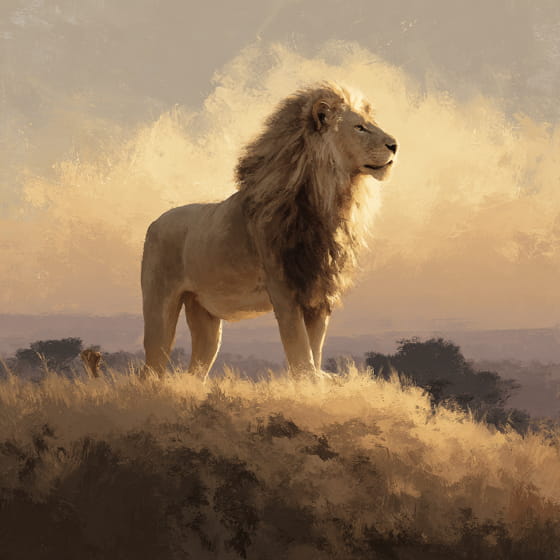
Ohio, US
You might spot African Lion, Tiger, and Snow Leopard.
View guide →
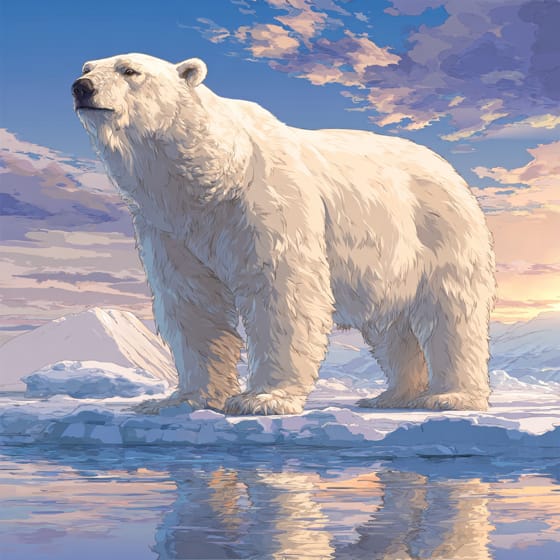
Alaska, US
You might spot Polar Bear, Brown Bear, and Tiger.
View guide →
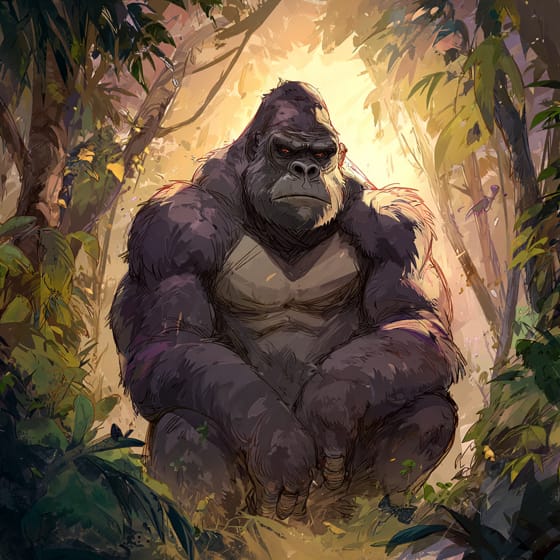
New York, US
You might spot Gorilla, Tiger, and Snow Leopard.
View guide →
New York, US
You might spot Polar Bear, Snow Leopard, and African Lion.
View guide →

Texas, US
You might spot African Elephant, Reticulated Giraffe, and African Lion.
View guide →
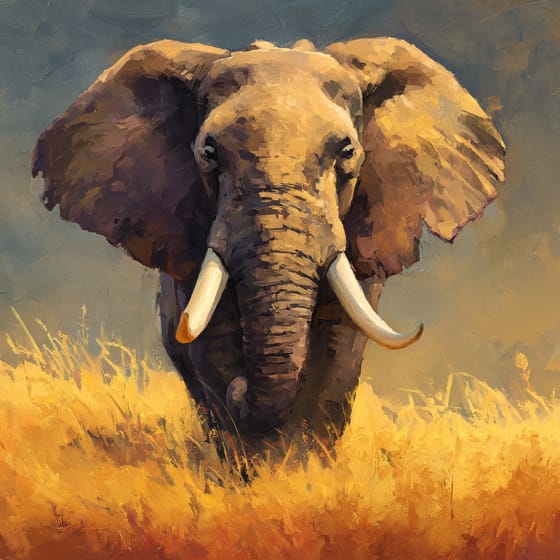
England, UK
You might spot African Elephant, Bornean Orangutan, and Tiger.
View guide →
Take the discovery with you
Snap it with Snappit to identify it, learn what makes it special, and add the discovery to your collection.




.jpg&width=800)



.JPG&width=800)



.jpg&width=800)
