


Tamarack Larch
Loxia leucoptera
The Tamarack Larch is a unique tree that changes colors with the seasons. It has soft needles that fall off in winter.
Habitat: Wetlands and bogs
The Tamarack Larch is a unique conifer that sheds its needles, turning brilliant golden-yellow in autumn before they fall. Its slender, straight trunk is covered in scaly, reddish-brown bark, and it bears small, upright cones.
Category
TreesRarity
Rare
Danger
1/5 · Very low
Snaps
Be the first to snap!
Indigenous peoples once used Tamarack roots to sew together birchbark canoes.
It's a conifer, but acts like a deciduous tree, losing all its needles each fall!
Its super strong wood is rot-resistant, historically used for boats and canoes!
The tiny seed cones often stay on the branches for many years, even after releasing their seeds!
Tamarack Larch has deciduous needles that fall off, helping it survive harsh, cold winters by reducing water loss.
Tamarack Larch can withstand some wildfires thanks to its thick bark and by naturally shedding lower branches.
Tamarack Larch can thrive in extremely cold Arctic-like climates, thanks to its specialized adaptations for frost.
Tamarack Larch can grow in very wet, swampy soils where most other trees would struggle to survive.
Loxia leucoptera
Feeds on its small cone seeds
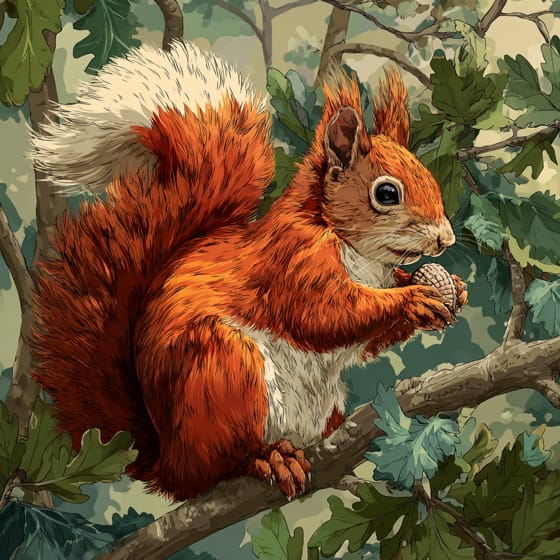
Tamiasciurus hudsonicus
Collects and eats its seeds
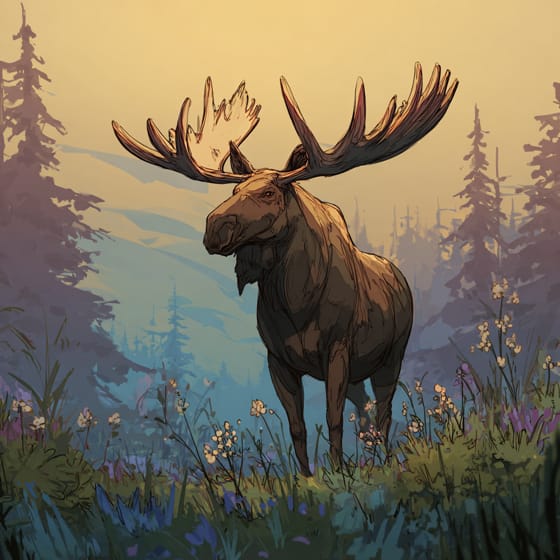
Alces alces
Browses on young shoots and bark
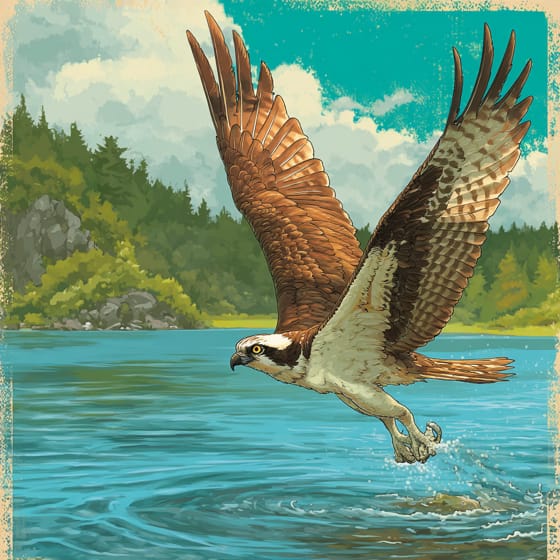
Pandion haliaetus
Often builds nests in tall larch trees
Deciduous plants periodically shed all their leaves, typically during autumn or dry seasons.
Coniferous plants are typically evergreen, bearing needles or scales and reproductive cones.
Evergreen plants retain their foliage throughout the year, never shedding all their leaves at once.
Fall color refers to the seasonal change in foliage pigmentation, primarily in deciduous plants, displaying vibrant hues.

Rapid growing plants exhibit accelerated growth rates, quickly increasing in size and biomass within a short period.

This habitat trait identifies species found in wetlands, which are areas of land saturated with water, either permanently or seasonally, including marshes, swamps, and bogs.
Danger
1/5 · Very low
Do not pick or eat anything you find. Some plants and mushrooms can be harmful.
15-25 m
6-10 m
No
30-60 cm
150-200 years
Wetlands and bogs
Cone
Medium
Zoom in to split clusters and explore where this object has been snapped.
Recent snaps will appear here as new observations are added.