





Moose
Alces alces
Moose are the largest members of the deer family. They have long legs and huge antlers.
Habitat: Forests, wetlands, and near lakes.
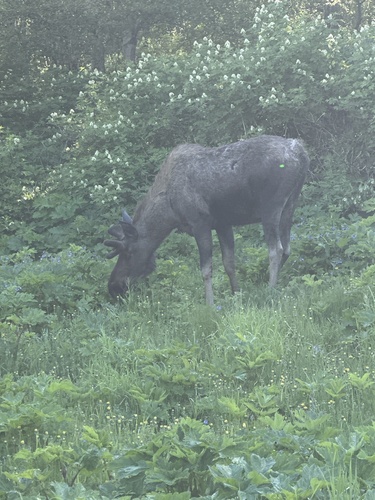
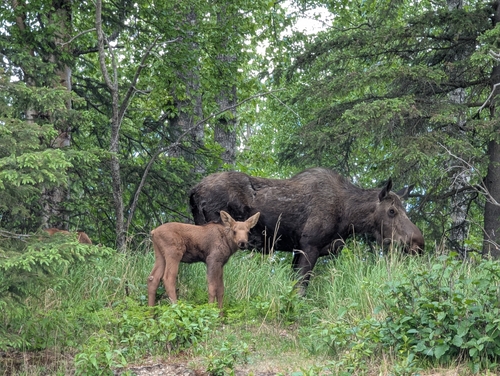
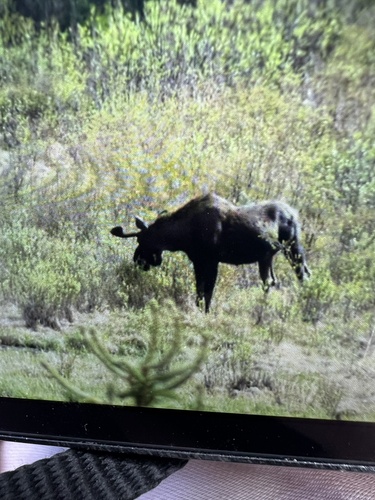
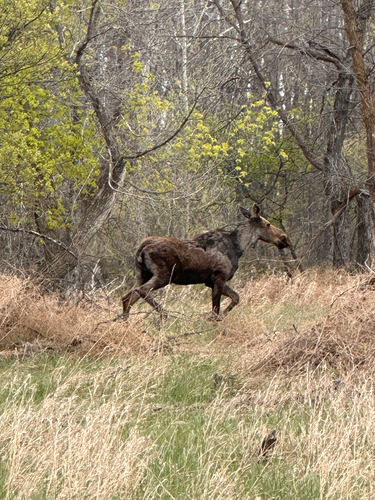
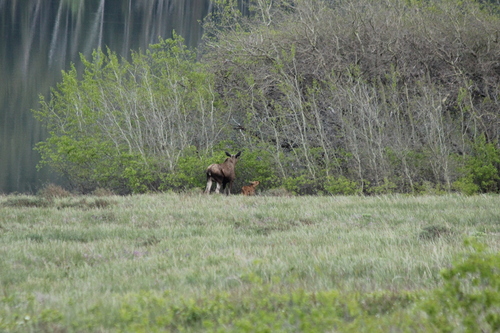
The Moose is a very large mammal with long, dark brown fur and a distinctive shoulder hump. Males grow huge, flat, shovel-like antlers that can spread wide, making them visually different from other deer. They also have a unique fleshy 'bell' or dewlap under their chin.
Category
MammalsRarity
Common
Danger
4/5 · High
Snaps
108
A moose's hollow fur helps it float easily in water and keeps it warm in icy conditions.
Baby moose, called calves, can outrun a human just a few days after being born!
Moose antlers are the fastest growing bone in the animal kingdom, growing over an inch a day!
Moose can eat up to 30 kilograms (66 pounds) of food every single day!
Moose can dive underwater and hold their breath for minutes because of special adaptations, helping them find tasty aquatic plants.
Moose has massive antlers that grow incredibly fast each year and are shed annually, used for defense and attracting mates.
Moose can swivel their large ears independently to pinpoint the exact direction of sounds, helping them detect danger.
Moose has incredibly strong legs that allow them to kick in all directions, a powerful defense against predators.
Moose are plant-eaters that munch on leaves, twigs, bark, and even plants found under the water.
Canis lupus
Main predator, often targeting calves or weak moose.
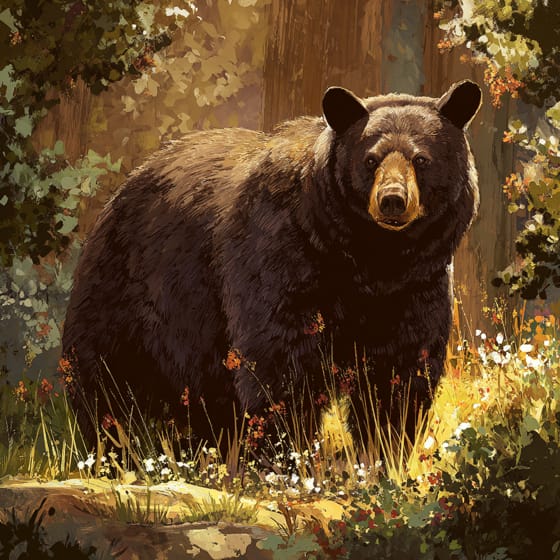
Ursus americanus
Occasionally preys on moose calves during spring.
Salix alba
A primary food source, especially twigs and leaves.
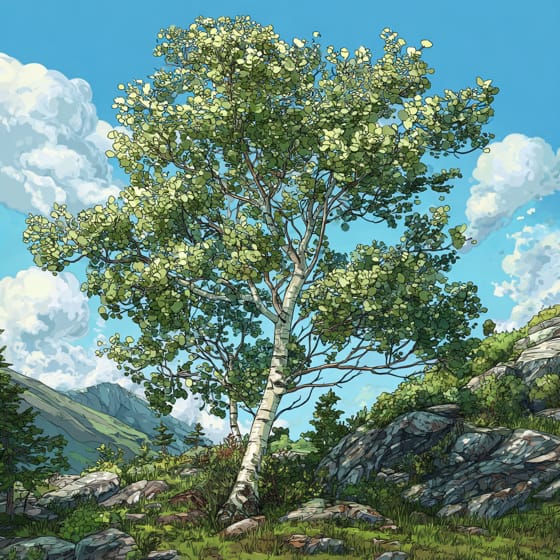
Populus tremuloides
Browses on bark and shoots, important winter food.
Furry describes animals possessing a dense covering of soft hair or fur.
Social animals live in organized groups, cooperating for survival benefits such as foraging, defense, and raising offspring.
Antlered describes animals possessing antlers, which are bony, branching growths found predominantly on male deer and related species.
This trait characterizes organisms whose diet consists entirely or primarily of plant material.

Forest habitats are terrestrial environments dominated by dense tree cover, supporting a high diversity of plant and animal life.

This habitat trait identifies species found in wetlands, which are areas of land saturated with water, either permanently or seasonally, including marshes, swamps, and bogs.

Diurnal animals are primarily active during daylight hours, typically resting or sleeping at night.

Describes a species whose presence and role have a disproportionately large effect on its environment.

Migratory animals undertake seasonal movements from one region to another, typically in response to changes in climate or food availability.

Nocturnal animals are primarily active during the nighttime hours, typically resting or sleeping during the day.
No aliases listed yet.
Danger
4/5 · High
Very dangerous if provoked — give them plenty of space.
The easiest way to identify Moose is to use the Snappit nature identifier app.
240-320 cm
200-700 kg
15-25 years
56 km/h
Moose are plant-eaters that munch on leaves, twigs, bark, and even plants found under the water.
Forests, wetlands, and near lakes.
Foraging
Zoom in to split clusters and explore where this object has been snapped.
Jun 18, 2026
Kincaid ParkPhoto attribution
(c) tlaloc27, some rights reserved (CC BY)
License: CC BY 4.0 ↗
Image may be shown cropped inside the card frame.
Jun 10, 2026
Kincaid ParkPhoto attribution
(c) Matt Muir, some rights reserved (CC BY)
License: CC BY 4.0 ↗
Image may be shown cropped inside the card frame.
May 24, 2026
Silverton Historic DistrictPhoto attribution
(c) Aiva Noringseth, some rights reserved (CC BY)
License: CC BY 4.0 ↗
Image may be shown cropped inside the card frame.
May 19, 2026
Fort BufordPhoto attribution
no rights reserved
License: CC0 1.0 ↗
Image may be shown cropped inside the card frame.
Jun 17, 2022
Sherburne Ranger Station Historic DistrictPhoto attribution
(c) Romain Boisseau, some rights reserved (CC BY-SA)
License: CC BY-SA 4.0 ↗
Image may be shown cropped inside the card frame.
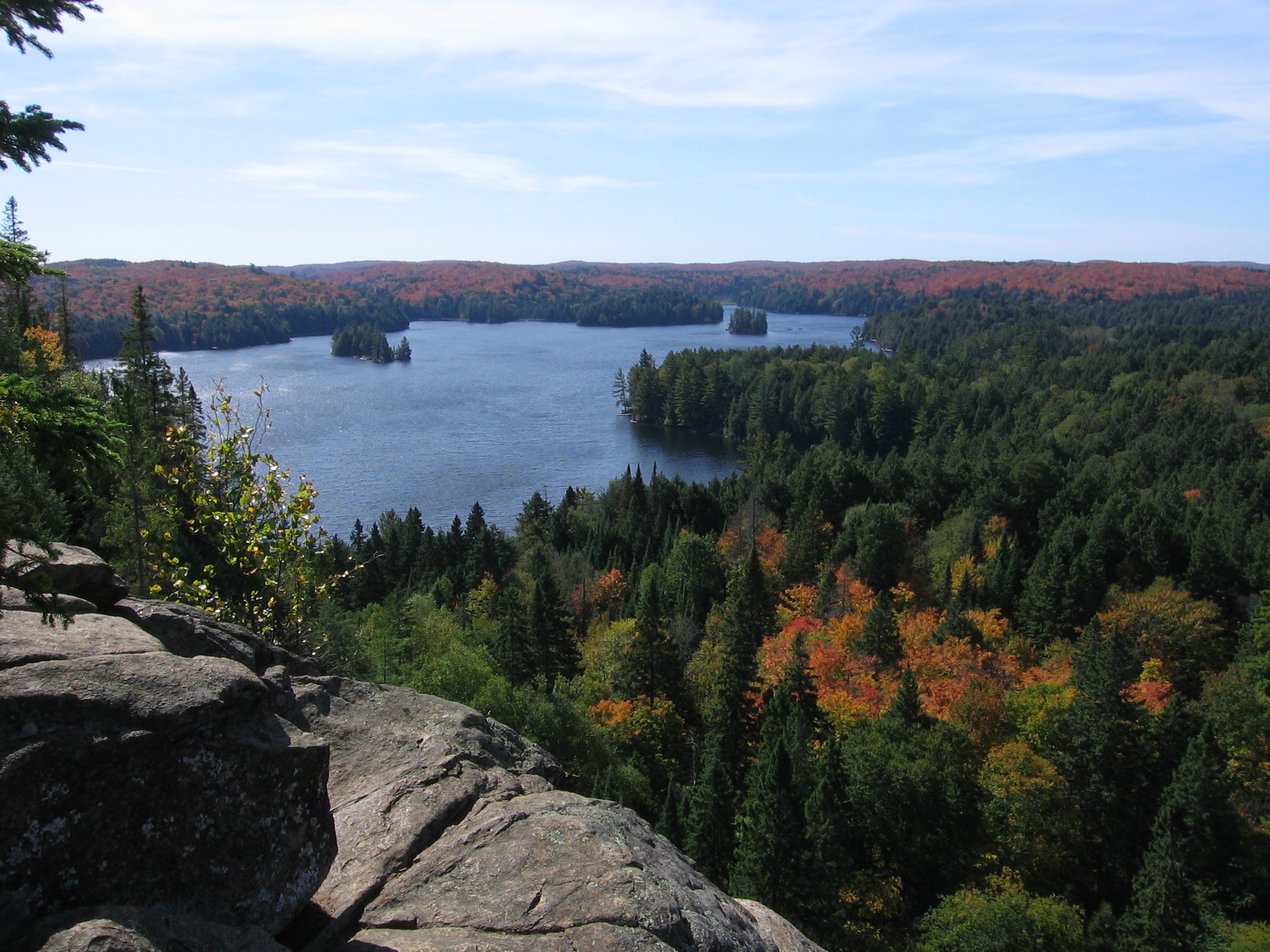
Ontario, CA
You might spot Canada Jay, American Beaver, and Black-Capped Chickadee.
View guide →

Alaska, US
You might spot Cliff Swallow, Pretty Jacob's-Ladder, and Dwarf Fireweed.
View guide →
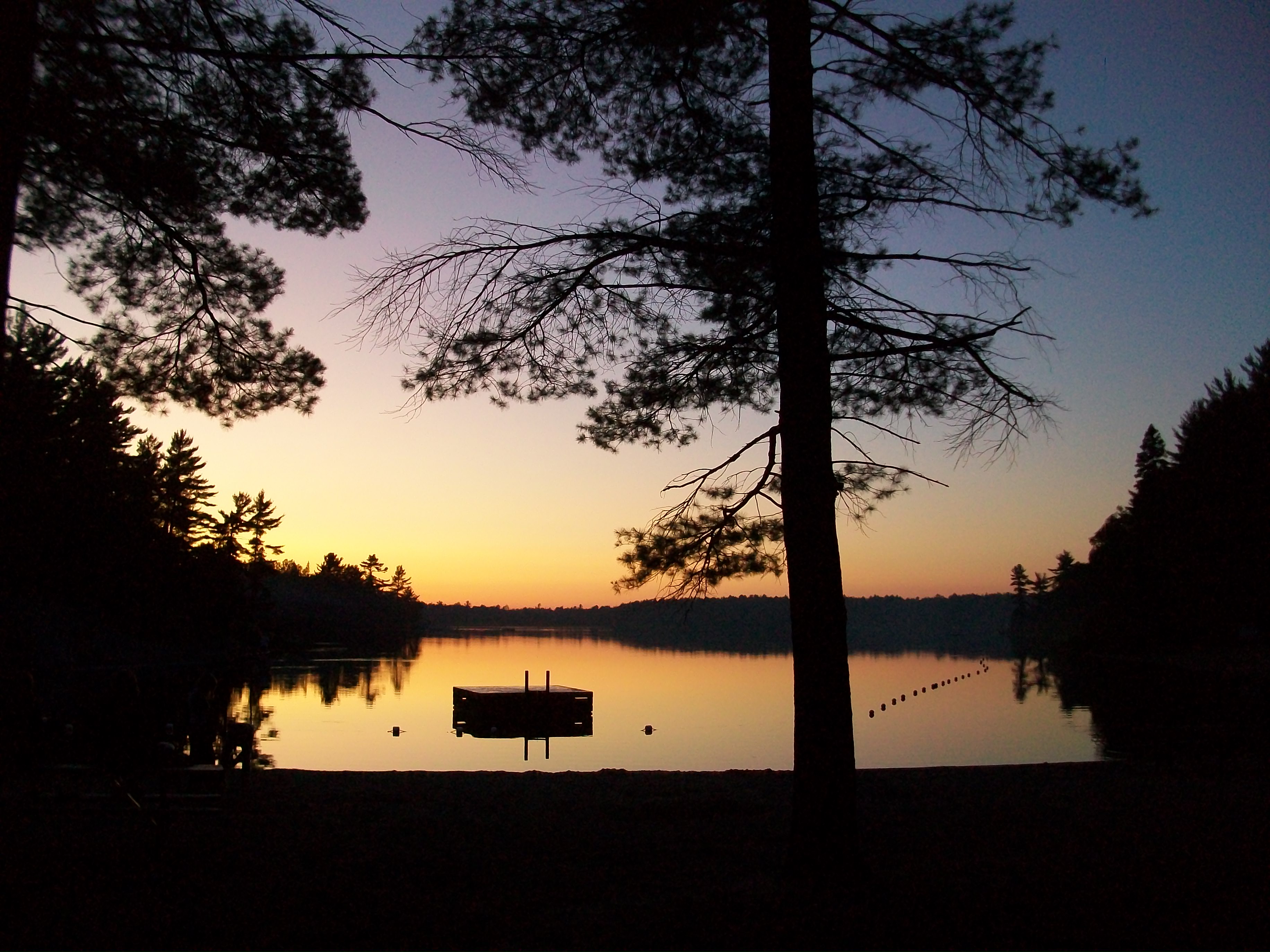
Ontario, CA
You might spot Painted Turtle, Common Watersnake, and Pickerelweed.
View guide →

Alaska, US
You might spot Sandhill Crane, Fireweed, and Prickly Wild Rose.
View guide →

Wyoming, US
You might spot Elk, American White Pelican, and Arrowleaf Balsamroot.
View guide →

Alaska, US
You might spot Moose, Devil's Club, and Red-Berried Elder.
View guide →
Take the discovery with you
Snap it with Snappit to identify it, learn what makes it special, and add the discovery to your collection.




.jpg&width=800)

.JPG&width=800)


.jpg&width=800)
