Easter Lily
Echinopsis oxygona (Link & Otto) Zucc. ex Pfeiff.
Easter Lilies are special flowers that bloom around Easter time. They are white and symbolize purity and hope!
Habitat: Easter lilies are often seen in gardens during spring.
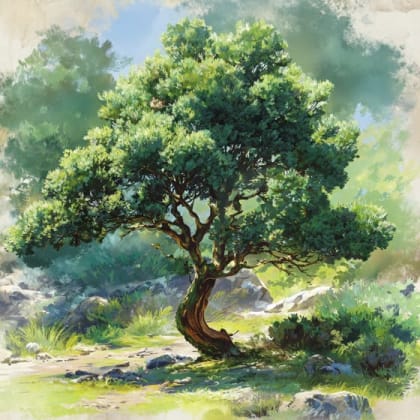
The Easter Lily is a globular to short-columnar cactus, often clumping and covered in sharp, radiating spines. Its large, showy, funnel-shaped flowers, typically pink or white, bloom briefly, often at night, making them visually unique.
Category
PlantsRarity
Common
Danger
1/5 · Very low
Snaps
Be the first to snap!
It is often called a 'sea-urchin cactus' because of its round shape and spiky exterior!
Its stunning flowers often open only for a single night, then close forever!
The Easter Lily can grow many 'pups' around its base, forming large cactus families!
This cactus can produce small, edible fruits, a sweet treat in its dry habitat!
Easter Lily has succulent stems that can store large amounts of water, helping it survive long dry periods.
Easter Lily can open its large, fragrant flowers only at night to attract nocturnal pollinators like moths.
Easter Lily has sharp spines that protect its fleshy body from hungry herbivores in harsh environments.
Hyles lineata
Visits flowers for nectar during the night.
Cavia porcellus
May nibble on young cacti or fallen parts.
Turdus rufiventris
Consumes its fruits, aiding in seed dispersal.
Deciduous plants periodically shed all their leaves, typically during autumn or dry seasons.
Ornamental plants are cultivated primarily for their aesthetic appeal, enhancing landscapes and gardens with their attractive foliage, flowers, or form.
Spring blooming plants produce their flowers during the spring season, often signifying the end of winter and the start of new growth.
Fragrant flowers emit a pleasant aroma, often to attract pollinators or for defense.

Forest habitats are terrestrial environments dominated by dense tree cover, supporting a high diversity of plant and animal life.
Danger
1/5 · Very low
Explore with care and ask an adult if you’re unsure what to do.
15-30 cm
30-60 cm
10-25 cm
Spring to summer
Yes
None
Perennial
Insect
Zoom in to split clusters and explore where this object has been snapped.
Recent snaps will appear here as new observations are added.