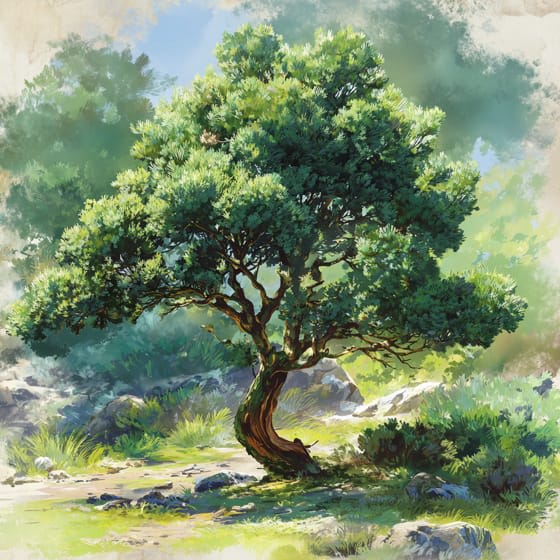





Juniper
Juniperus
The Juniper is a hardy tree with needle-like leaves. It has berries that birds love to eat!
Habitat: Open fields and gardens
The Juniper has scale-like or needle-like leaves, often prickly, in shades of green, blue-green, or even bronze. Its bark is typically reddish-brown and shredding. It produces distinct berry-like cones, which are usually blue or purple.
Category
PlantsRarity
Common
Danger
1/5 · Very low
Snaps
Be the first to snap!
Ancient cultures burned juniper for its sweet smoke, believing it purified the air.
Juniper wood smells amazing and is often used to make pencils and cedar chests!
Some juniper trees can live for over 2,000 years, making them ancient giants!
The 'berries' are actually tiny cones that take two years to fully ripen.
Juniper has thick, waxy leaves and deep roots that help it survive in very dry places.
Juniper can grow in poor, rocky soils where other plants struggle, using its strong root system.
Juniper is an evergreen, keeping its leaves all year round to make food even in cold weather.
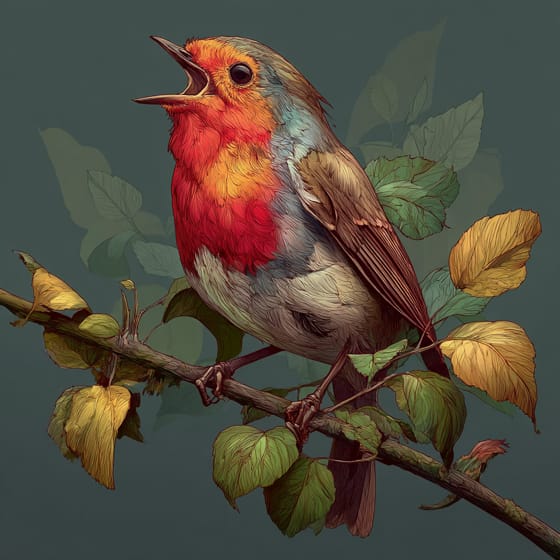
Turdus migratorius
eats its cones
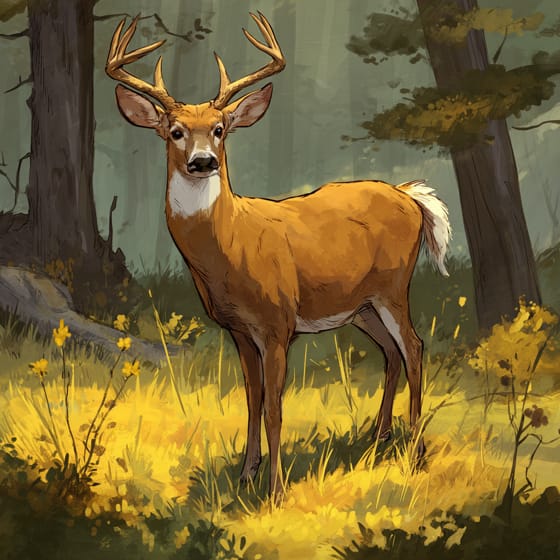
Odocoileus virginianus
browses its foliage
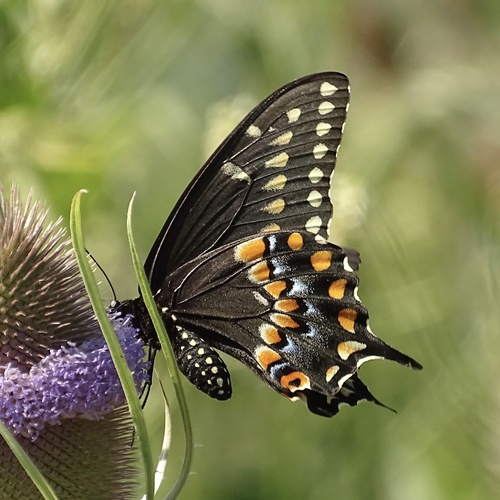
Cydia juniperana
larvae feed on cones
Coniferous plants are typically evergreen, bearing needles or scales and reproductive cones.
Evergreen plants retain their foliage throughout the year, never shedding all their leaves at once.
Fruit-bearing plants produce fruits, which are the mature ovaries of flowering plants containing seeds.
Forest habitats are terrestrial environments dominated by dense tree cover, supporting a high diversity of plant and animal life.
Danger
1/5 · Very low
Explore with care and ask an adult if you’re unsure what to do.
The easiest way to identify Juniper is to use the Snappit nature identifier app.
100-1500 cm
50-1000 cm
Spring
Yes
Mild
Perennial
Wind
Zoom in to split clusters and explore where this object has been snapped.
Recent snaps will appear here as new observations are added.
Take the discovery with you
Snap it with Snappit to identify it, learn what makes it special, and add the discovery to your collection.









.jpg&width=800)



_001.jpg&width=800)



