Pelican
Pelecanus
Pelicans are large birds with long beaks and a throat pouch for catching fish. They are excellent divers and can be seen flying gracefully over coastal waters.
Habitat: Coastal areas
The Pelican is a large water bird, recognized by its enormous, expandable throat pouch beneath a long beak. Its plumage varies from white to grey-brown, often with bright patches of color on its bill and feet during breeding season. They have webbed feet and a bulky body built for aquatic life.
Category
BirdsRarity
Common
Danger
2/5 · Low
Snaps
Be the first to snap!
A group of pelicans is called a 'scoop' or even a 'squadron' when flying high.
Pelican bones are hollow and filled with air, making them super light for impressive flight!
Pelican chicks are born without a throat pouch; it grows as they get older!
Some pelicans soar for hours without flapping their wings, using rising warm air currents.
Pelican has a huge throat pouch that helps them scoop up fish and drain water before swallowing their meal.
Pelican can soar effortlessly on thermal currents for hours, conserving energy while searching for food.
Pelican can work together in groups, using their bodies and wings to corral fish into shallow water.
Pelicans are expert fish hunters, scooping them up in their enormous throat pouch to swallow whole.
Age differences: Young chicks are fed regurgitated, partially digested fish by their parents, until they can hunt themselves.
Mugil cephalus
A common fish species often caught by pelicans.
Larus dominicanus
Gulls may prey on pelican eggs and young chicks.
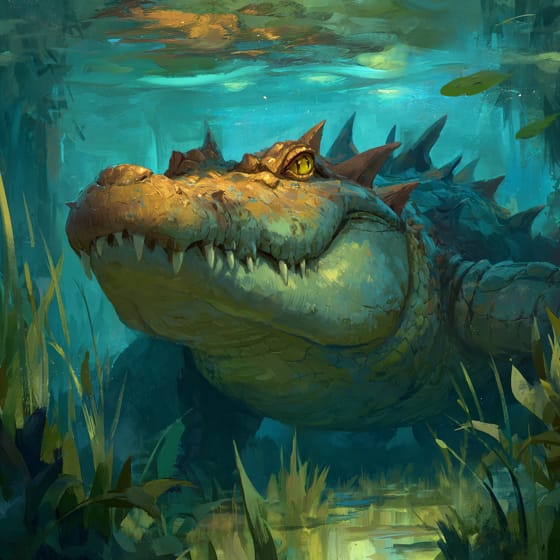
Crocodylus porosus
Large crocodiles can occasionally prey on adult pelicans.
Feathered describes animals, primarily birds, possessing a covering of feathers.
Characterized by having toes connected by a membrane, typically aiding in swimming.
Social animals live in organized groups, cooperating for survival benefits such as foraging, defense, and raising offspring.
Aerial creatures spend a significant portion of their lives airborne, utilizing flight for various activities such as hunting, migration, or nesting.

Piscivorous organisms are animals that primarily subsist on a diet of fish.

Coastal habitats are dynamic environments located along the interface between land and sea, influenced by tides, waves, and saltwater.

Diurnal animals are primarily active during daylight hours, typically resting or sleeping at night.

Describes a species whose presence and role have a disproportionately large effect on its environment.
Danger
2/5 · Low
Observe pelicans from a safe distance to avoid startling them.
106-183 cm
180-350 cm
2.7-15 kg
10-30 years
56 km/h
Pelicans are expert fish hunters, scooping them up in their enormous throat pouch to swallow whole.
Coastal areas
Foraging
Zoom in to split clusters and explore where this object has been snapped.
Recent snaps will appear here as new observations are added.