





Turkey
Meleagris gallopavo
Turkeys are big, friendly birds often found on farms. They have beautiful feathers and love to roam around looking for food.
The Turkey is a large bird with iridescent feathers that shimmer bronze, green, and copper in sunlight. Males have a distinctive bald, red, white, and blue head and neck, often adorned with a fleshy snood and wattles, making them visually different from most other wild birds.
Category
BirdsRarity
Common
Danger
1/5 · Very low
Snaps
103
A group of turkeys is called a "rafter" or a "flock"!
Only male turkeys, called "toms" or "gobblers," make the famous gobbling sound!
Turkeys can see in 3D and have a nearly 270-degree field of vision!
Wild turkeys often sleep perched high in trees to stay safe from predators!
Turkey can make a loud 'gobble' sound because of its unique vocal abilities, helping them attract mates or warn others.
Turkey has bare skin on its head and neck that changes color because of blood flow, helping them display emotions or dominance.
Turkey has exceptional vision because of large, keen eyes, helping them spot tiny food items or distant predators.
Turkeys are omnivores, gobbling up a variety of plants, seeds, nuts, and small insects they find on the forest floor.
Age differences: Young turkeys eat more protein-rich insects than adults.
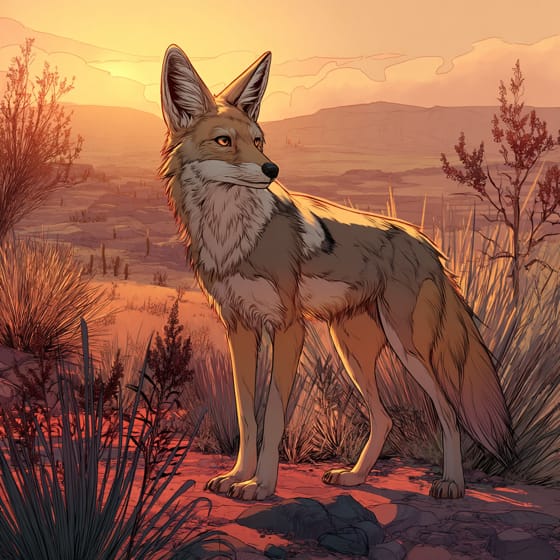
Canis latrans
often preys on adult turkeys and poults in their habitat.
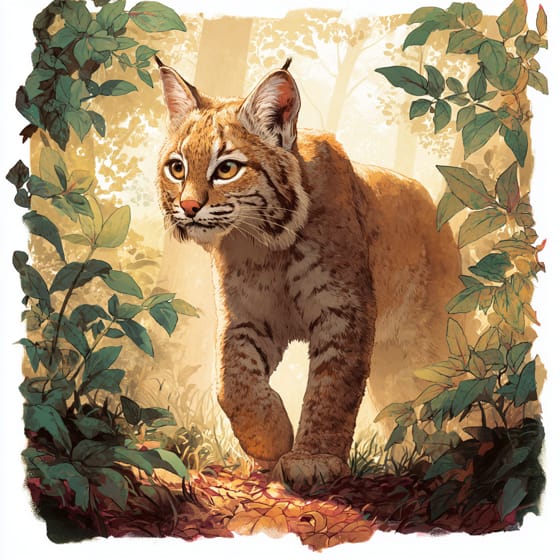
Lynx rufus
hunts turkeys, especially younger birds, in forested areas.
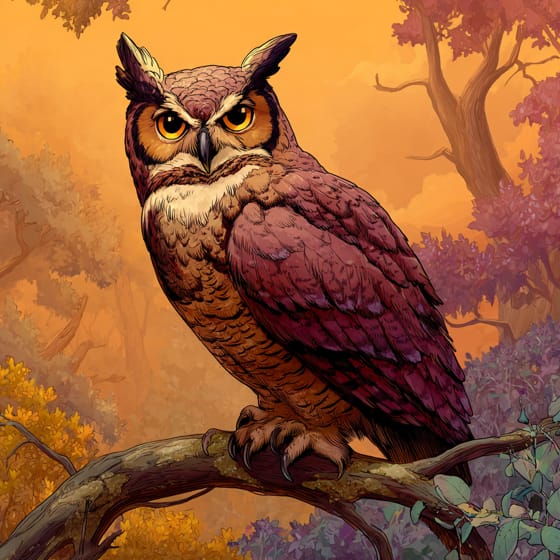
Bubo virginianus
preys on turkey poults and sometimes roosting adults at night.
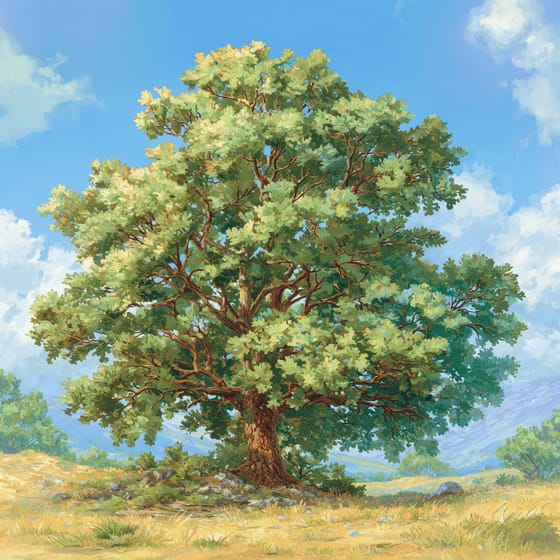
Quercus alba
feeds on acorns, which are a critical winter food source.
Wildlife encompasses all undomesticated animal and plant life existing in their natural habitats.
Feathered describes animals, primarily birds, possessing a covering of feathers.
Social animals live in organized groups, cooperating for survival benefits such as foraging, defense, and raising offspring.
This trait identifies organisms whose diet includes both plant and animal matter.

Colorful describes organisms or objects displaying a wide range of bright and distinct colors.

Grassland habitats are terrestrial biomes dominated by grasses and herbaceous plants, supporting a variety of grazing animals.

Diurnal animals are primarily active during daylight hours, typically resting or sleeping at night.

This trait identifies organisms that exhibit exceptional swiftness in movement for hunting, escape, or travel.
Danger
1/5 · Very low
Turkeys are generally safe, but it's best to watch them from a distance and not to startle them.
The easiest way to identify Turkey is to use the Snappit nature identifier app.
85-125 cm
125-180 cm
2.5-11 kg
3-10 years
88 km/h
Turkeys are omnivores, gobbling up a variety of plants, seeds, nuts, and small insects they find on the forest floor.
Foraging
Zoom in to split clusters and explore where this object has been snapped.

Illinois, US
You might spot Common Eastern Bumble Bee and Brown-Belted Bumble Bee.
View guide →

Massachusetts, US
You might spot Eastern Cottontail and American Robin.
View guide →

Rhode Island, US
You might spot Common Eastern Bumble Bee and Osprey.
View guide →

Rhode Island, US
You might spot Spotted Lanternfly, Duck, and American Robin.
View guide →

Wisconsin, US
You might spot Turkey, White-Tailed Deer, and Dame's Rocket.
View guide →
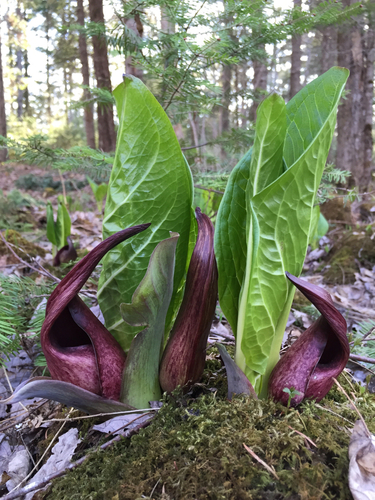
Connecticut, US
You might spot Eastern Skunk Cabbage and Eastern White Pine.
View guide →
Take the discovery with you
Snap it with Snappit to identify it, learn what makes it special, and add the discovery to your collection.





.jpg&width=800)








