
Polar Bear
Tierpark Hellabrunn, Munich's cherished zoological garden, invites visitors on an unforgettable journey through the world's wildlife.
Tierpark Hellabrunn, Munich's cherished zoological garden, invites visitors on an unforgettable journey through the world's wildlife. Nestled within the picturesque floodplains of the Isar River, this 40-hectare geo-zoo uniquely organizes its animal inhabitants by their continental origins, creating an immersive experience that transports you from the Arctic tundra to the African savannah in mere steps. It's more than just a zoo; it's a living, breathing landscape where the boundaries between humans and nature gently blur, offering insights into biodiversity and conservation efforts.
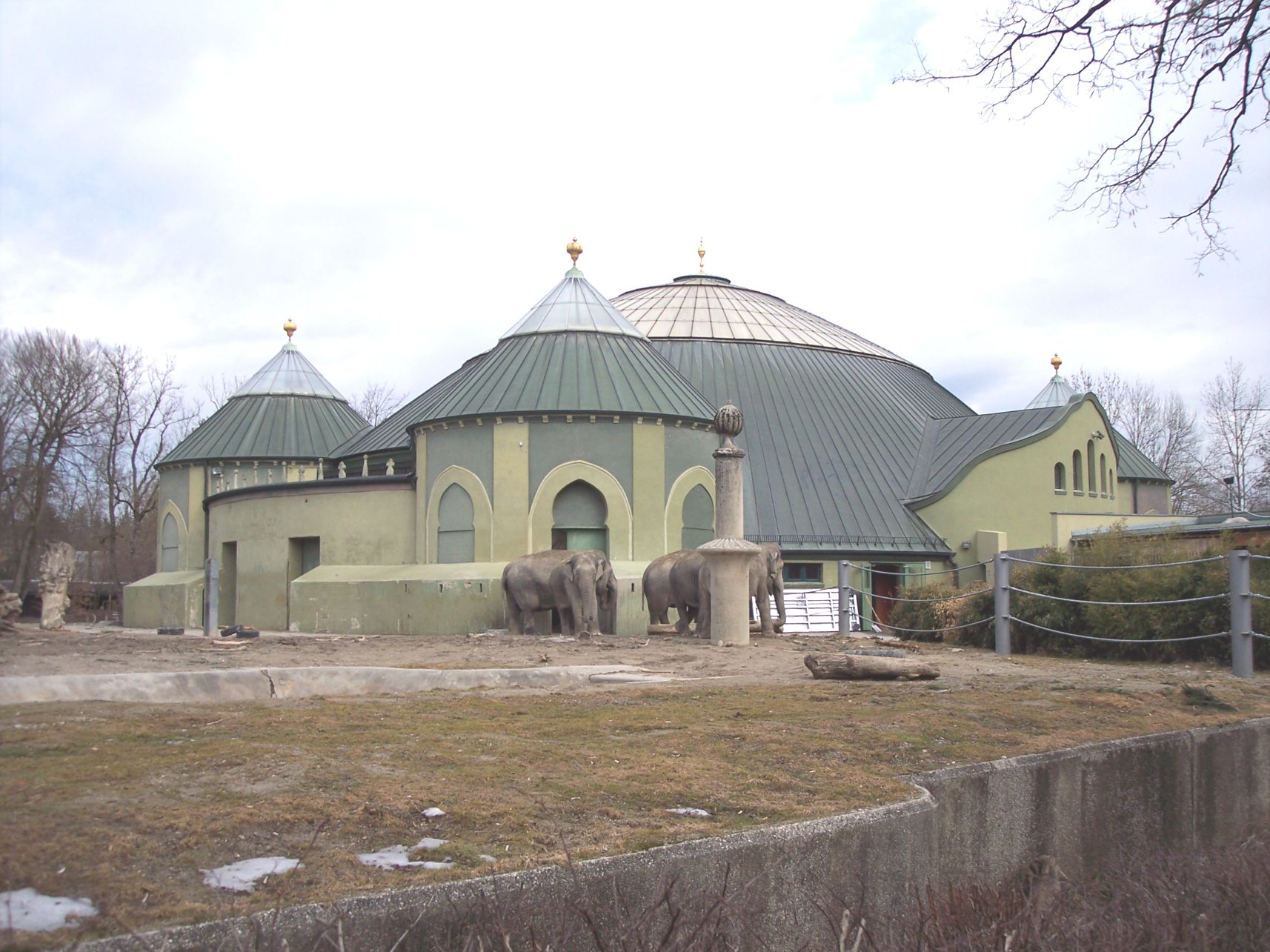
Explore a diverse tapestry of habitats, each meticulously designed to mirror natural environments. Marvel at the majestic Polar Bears gracefully navigating their expansive Polarium, or observe the playful antics of Patagonian Sea Lions. The African savannah, complete with a two-story viewing platform, brings you eye-to-eye with towering Giraffes, while the historic Elephant House provides a grand home for Asian Elephants. Don't miss the lush Jungle House, where Gorillas and Chimpanzees thrive amidst tropical greenery, and seek out the elusive Red Pandas in their Asian-inspired habitat.
A visit to Tierpark Hellabrunn is a memorable experience for all ages, combining education, entertainment, and a deep appreciation for the animal kingdom. From captivating keeper talks and feeding demonstrations to interactive playgrounds and the charm of the Mill Village (Mühlendorf) with its native species, there's always something new to discover. The zoo's commitment to conservation, showcased through its breeding programs and educational initiatives, ensures that each visit contributes to protecting endangered species worldwide, making it a truly rewarding day out in the heart of Munich. Unlock an interactive field guide for this spot: get the Snappit app to identify nature on the go.
Tierpark Hellabrunn boasts a rich history, officially opening its gates on August 1, 1911. However, its modern identity was forged in 1928 when it reopened as the world's first geo-zoo. This groundbreaking concept, inspired by Carl Hagenbeck, meant animals were grouped by their geographical origin, pioneering a more natural and educational approach to zoo design. Throughout its existence, the zoo has undergone significant development, including the construction of the historic Elephant House in 1914, the Polarium in 1975, and a notable large aviary in 1980. Despite facing challenges like a closure due to hyperinflation in 1922 and extensive damage during World War II, Hellabrunn has consistently rebuilt and innovated, continually enhancing its facilities and dedication to animal welfare and conservation.
Explore the different geo-zones to observe animals from each continent.
Attend animal shows and feeding times, such as the polar bear talk, sea lion training, and bird of prey demonstrations. Check the daily schedule upon arrival.
Visit the playgrounds, including an accessible one at Café Rhino, especially if visiting with children.
Enjoy a meal or snack at one of the several restaurants, bistros, or cafes.
Summer (April-October): Longer opening hours (9 am - 6 pm) and more opportunities for outdoor animal activity and shows.
Winter (November-March): Shorter opening hours (9 am - 5 pm). While some animals may be less active outdoors, many indoor exhibits like the Jungle House, Elephant House, and Aquarium offer warmth and excellent viewing. Some restrooms and baby changing rooms may be closed.
Tierpark Hellabrunn is largely accessible, with most paths suitable for wheelchairs, walkers, and mobility scooters. Accessible restrooms are available and marked on the zoo map. Electric mobility scooters can be borrowed free of charge for visitors with limited mobility. There are designated disabled parking spaces at both entrances, and an accessible playground is located at Café Rhino. The zoo also offers information materials for visually impaired visitors and ensures clear views for wheelchair users at enclosures.
Home to Polar Bears, Arctic Foxes, and Patagonian Sea Lions, offering underwater viewing opportunities.
Features Giraffes, meerkats, and other African species in a spacious, naturalistic setting with excellent viewing platforms.
A grand, historic building housing Asian Elephants.
Experience a tropical environment with Gorillas, Chimpanzees, and various reptiles and fish.
Each card links to a full Explore page with photos, traits, and fun facts.
Start with the big picture, then zoom in to explore individual wildlife observations around this place.
Arrive early
Especially on weekends or holidays, arriving shortly after opening (9 am) can help you secure better parking and experience the zoo before it gets too crowded, often when animals are most active.
Use public transport
Parking can be limited, especially on busy days. The zoo is easily accessible via U3 to "Thalkirchen (Tierpark)" or Bus 52 to "Tierpark (Alemannenstraße)."
Check feeding schedules
Consult the zoo's website or information boards upon arrival for daily feeding times and keeper talks, as these offer great opportunities to see animals up close and learn from their caretakers.
Rent a pull-along wagon
If visiting with small children or carrying a lot of gear, pull-along wagons are available for rent at the entrances.
Respect photography rules
Flash photography is prohibited in all animal houses to avoid disturbing the animals. Drones and selfie sticks are also not allowed.
Wear comfortable shoes
The zoo covers 40 hectares, so you'll be doing a lot of walking.
Mar 1, 2026
Mar 1, 2026
Mar 1, 2026
Mar 1, 2026
Mar 1, 2026

Michigan, US
You might spot African Lion, Komodo Dragon, and Brown Bear.
View guide →
.jpg)
Municipal District of Cobh, IE
You might spot Ring-Tailed Lemur, Giraffes, and Cheetahs.
View guide →

Nouvelle-Aquitaine, FR
You might spot Greater Flamingo, Giraffes, and Red Panda.
View guide →

Texas, US
You might spot Giraffes, African Lion, and Eastern Black Rhinoceros.
View guide →
Take the discovery with you
Identify the wildlife you spot, learn as you go, and keep a collection of the adventure.