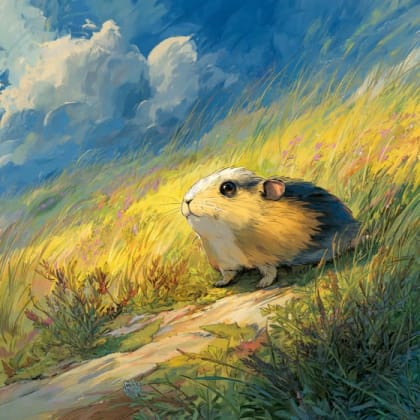
Arctic Hare
Lepus arcticus
The Arctic Hare is a fluffy animal that lives in the cold, snowy places of the Arctic. They have big ears and strong legs to help them hop around quickly!
Habitat: Arctic tundra
The Arctic Hare is a large hare with relatively short, black-tipped ears and powerful, fur-padded feet. Its coat is brilliant white in winter, offering perfect camouflage against the snow, and changes to a brownish-grey in summer.
Category
MammalsRarity
Common
Danger
1/5 · Very low
Snaps
Be the first to snap!
Arctic Hares can hop on just two legs when running very fast!
Arctic Hares have short ears to prevent heat loss in freezing temperatures!
They can stand tall on their hind legs to scan for danger across the open tundra!
They can survive temperatures as low as -40°C by snuggling together!
Arctic Hare has a thick fur coat that changes from white to brownish-grey, helping them blend into their snowy environment.
Arctic Hare can reach speeds up to 60 km/h on its large, fur-padded feet, allowing it to flee predators across snow.
Arctic Hare can dig into snow banks with strong claws to find food and create shelters from harsh winds and cold.
Arctic Hares munch on tough arctic plants, especially woody shrubs, grasses, and mosses.
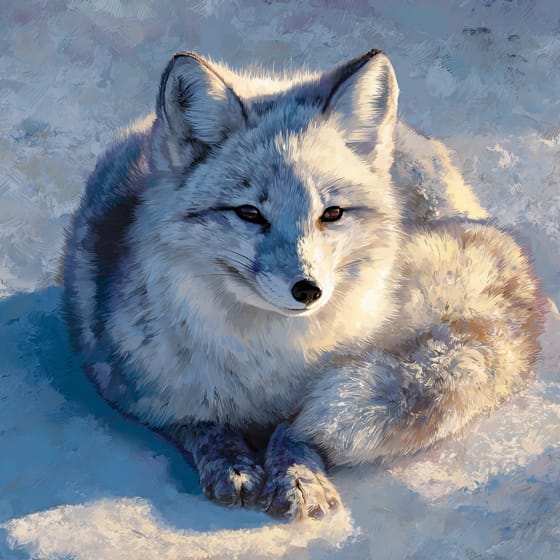
Vulpes lagopus
A nimble predator that hunts hares, especially young ones.
Canis lupus
A primary predator, often chasing hares across the tundra.
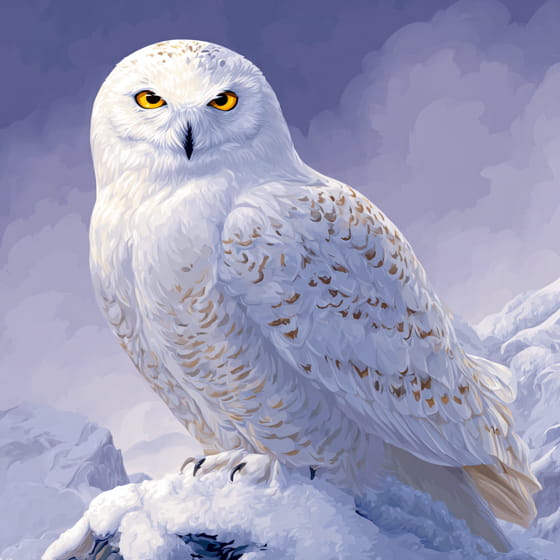
Bubo scandiacus
Hunts hares from above, particularly in open, flat areas.
Wildlife encompasses all undomesticated animal and plant life existing in their natural habitats.
Furry describes animals possessing a dense covering of soft hair or fur.
Social animals live in organized groups, cooperating for survival benefits such as foraging, defense, and raising offspring.
Burrowing animals dig tunnels and chambers in the ground, using these subterranean structures for shelter, hunting, or breeding.

This trait characterizes organisms whose diet consists entirely or primarily of plant material.

This habitat trait refers to species inhabiting tundras, which are treeless biomes characterized by permafrost, cold temperatures, and low-growing vegetation.

This trait identifies organisms that exhibit exceptional swiftness in movement for hunting, escape, or travel.
Danger
1/5 · Very low
Arctic Hares are gentle and not dangerous to people, but it's best to watch them from a distance.
43-70 cm
2.5-6.8 kg
3-8 years
60 km/h
Arctic Hares munch on tough arctic plants, especially woody shrubs, grasses, and mosses.
Arctic tundra
Foraging
2-8
Zoom in to split clusters and explore where this object has been snapped.
Recent snaps will appear here as new observations are added.